
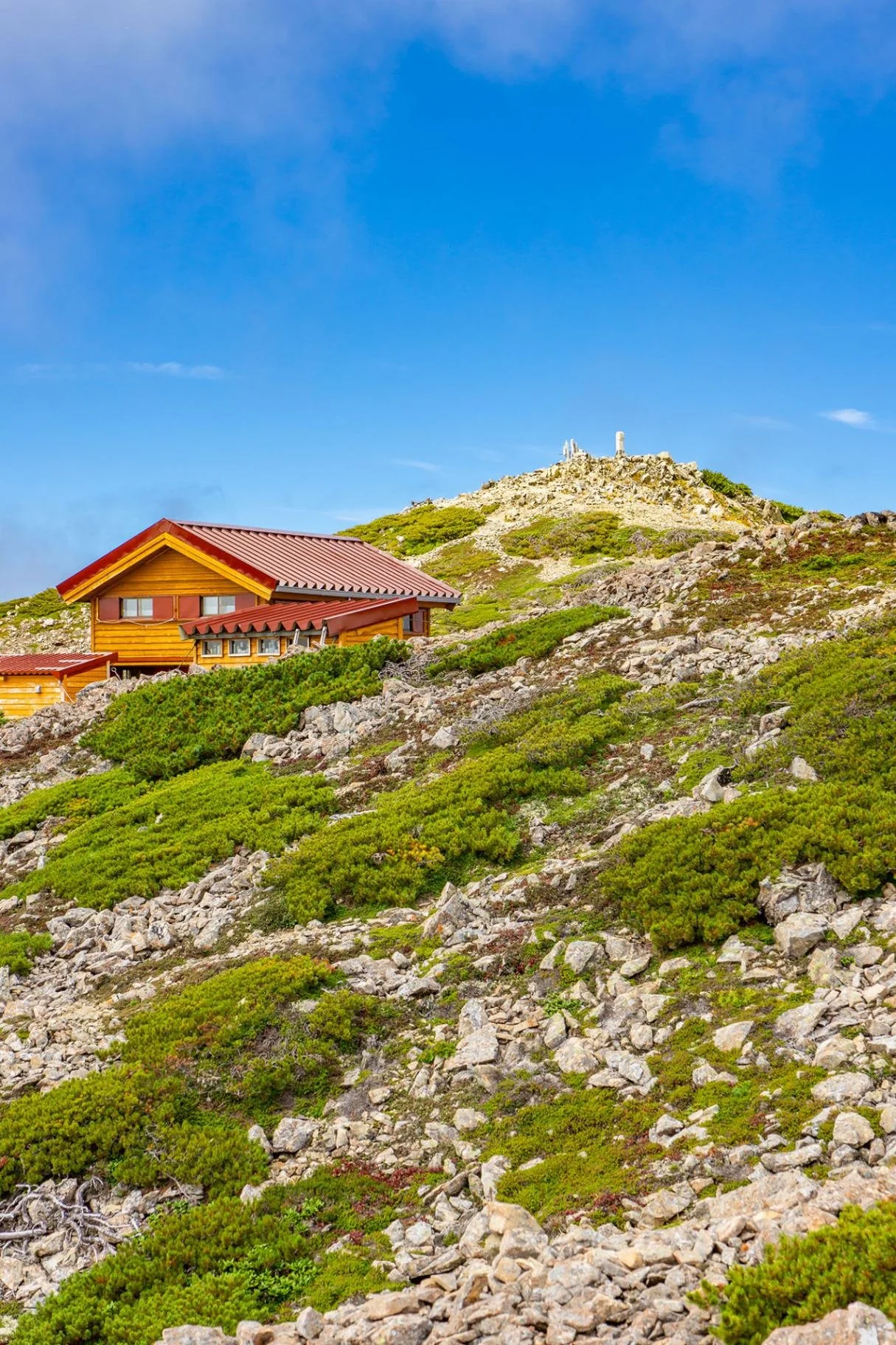
Akaishi-goya (赤石小屋)
Akaishi-goya is a remote but strategically placed ridge-stage hut on the classic Arakawa Three Mountains corridor, used by hikers linking the Warusawa / Arakawa side toward Mt. Akaishi-dake. It’s the kind of hut you plan around: long approach days, limited easy exits, and a high payoff for timing ridge weather windows correctly.
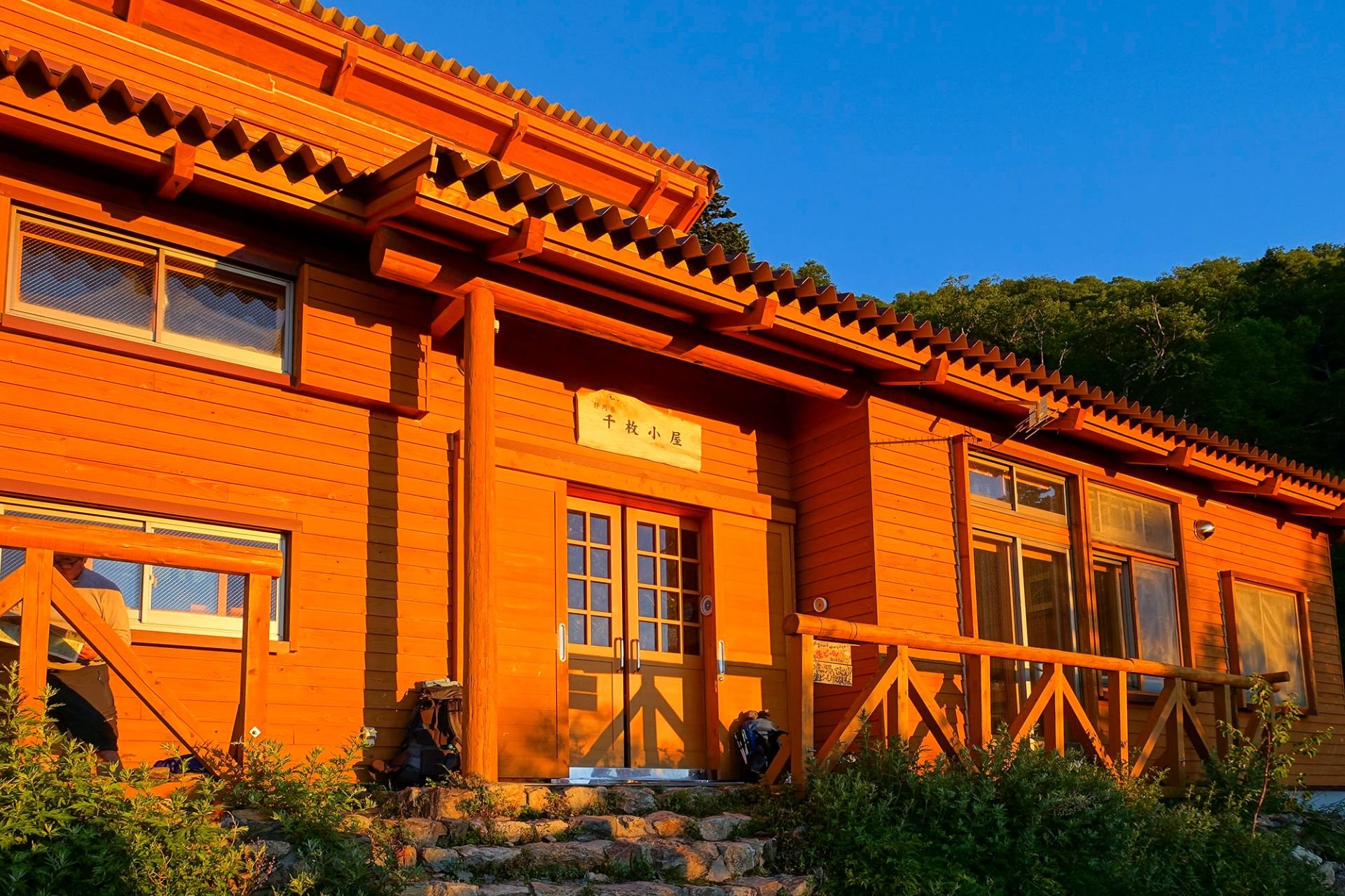
Senmai-goya (千枚小屋)
Senmai-goya is one of the most important ridge-stage huts on the Southern Alps “big-mountain” corridor that leads into the Arakawa Three Mountains (including Warusawa-dake / Arakawa Higashi-dake). It’s a classic staging base: you use it to split long approach days, control your timing for weather windows, and position yourself for the next day’s higher ridge objectives.
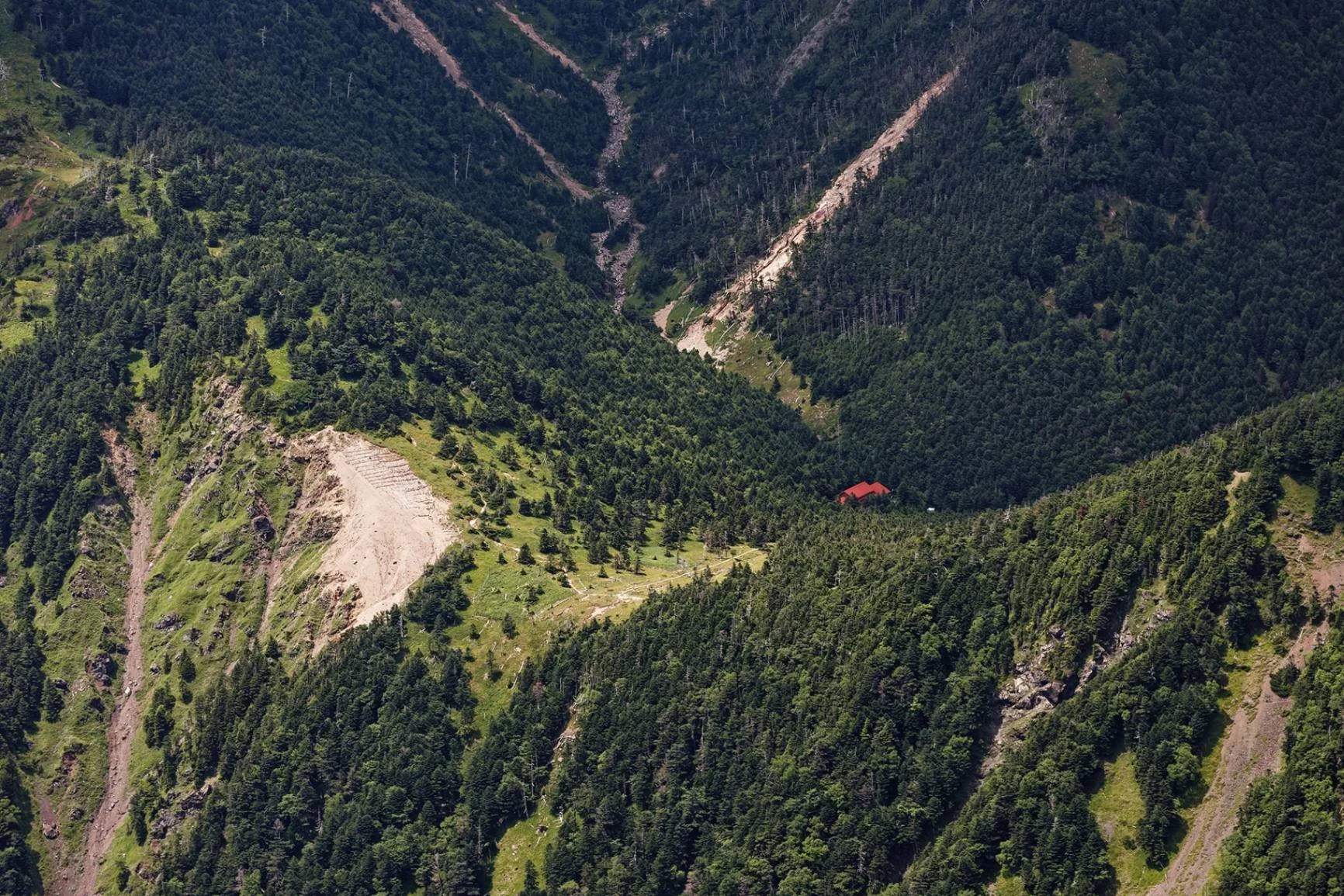
Hijiri-daira-koya (聖平小屋)
Hijiri-daira-koya sits in forest just below the 3,000 m-class summit zone of Mt. Hijiri-dake (3,013 m), making it the essential staging base for summit pushes and Southern Alps traverses through this remote sector. It’s valued for one thing above all: position—it breaks very long approaches into manageable stages and gives you a reliable logistics node in terrain that has become more demanding after typhoon damage in recent years.
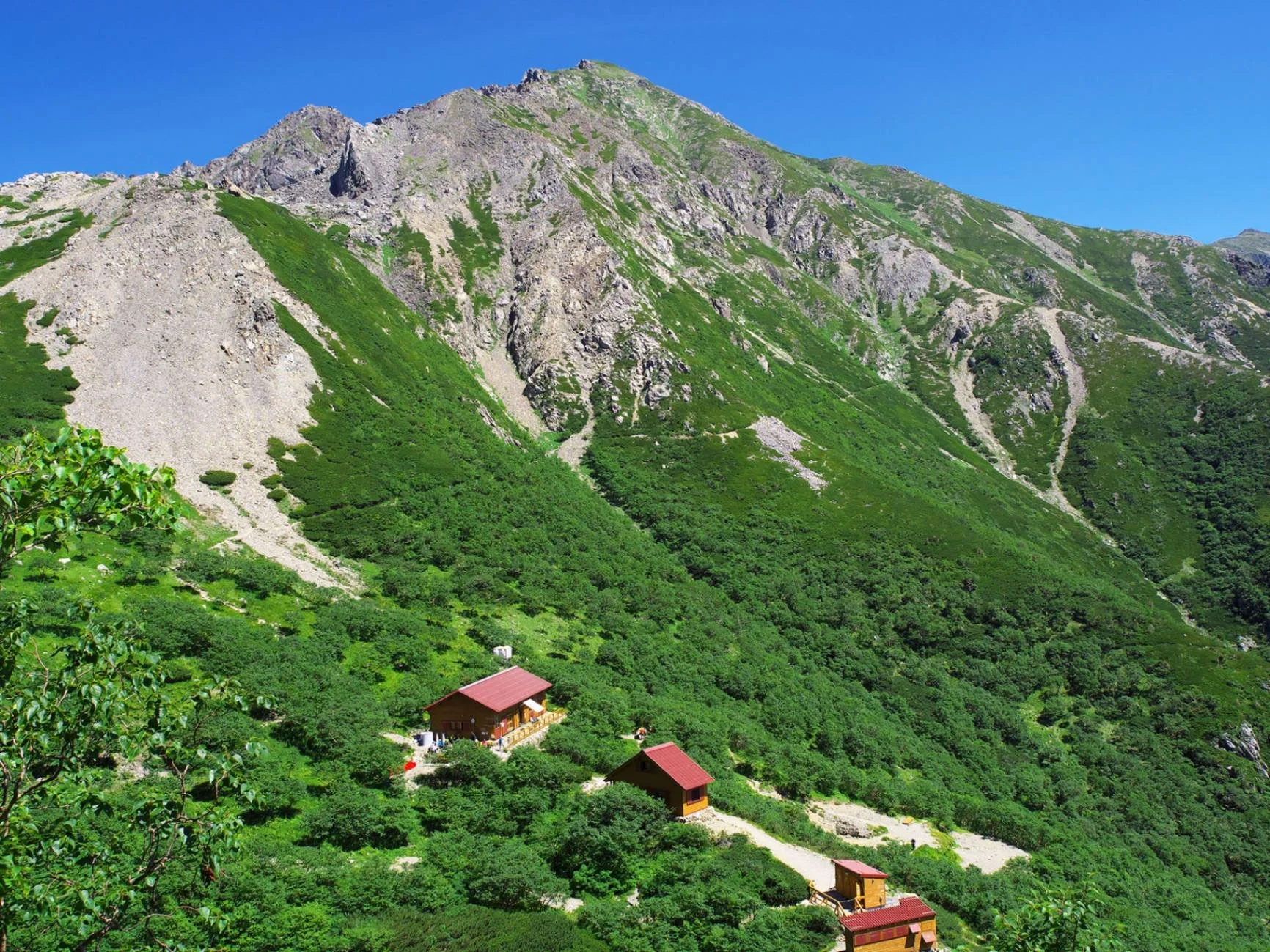
Arakawa-goya (荒川小屋)
Arakawa-goya is a classic Southern Alps ridge-stage hut on the popular Arakawa Three Mountains corridor, used by hikers linking the Warusawa-dake (Arakawa Higashi-dake) side toward Akaishi-dake. It’s especially valued for its front-facing Mt. Fuji views, strong staging position, and a well-developed tent area that supports multi-day ridge itineraries.
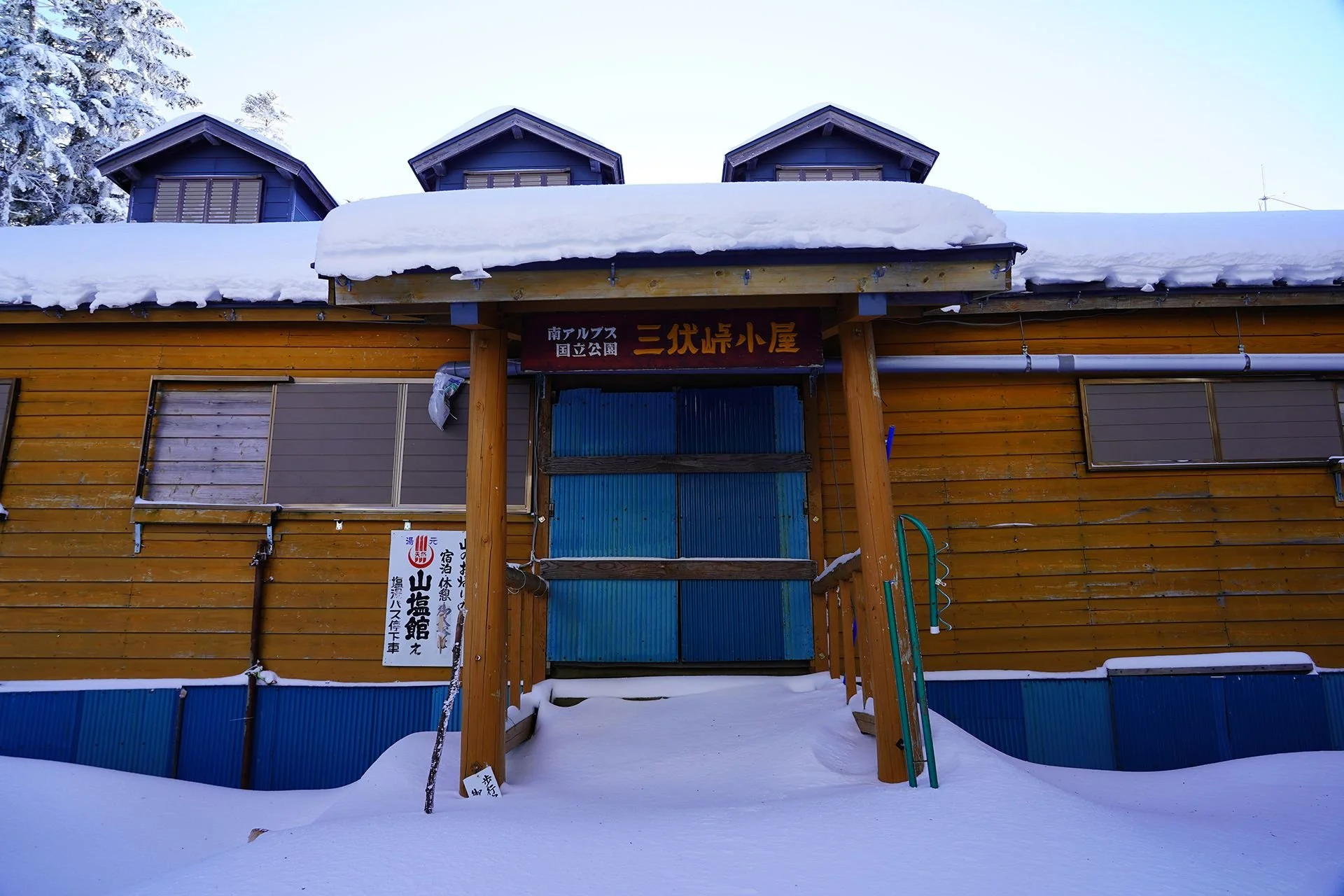
Sanpuku-tōge-goya (三伏峠小屋)
Sanpuku-tōge-goya is a classic ridge-pass mountain hut sitting on Sanpuku-tōge, widely described as Japan’s highest mountain pass at 2,580 m. It’s the key staging base for Mt. Shiomi-dake and Mt. Okochi-dake itineraries, and a crucial “timing node” for long Southern Alps ridge days where weather and fatigue margins matter.
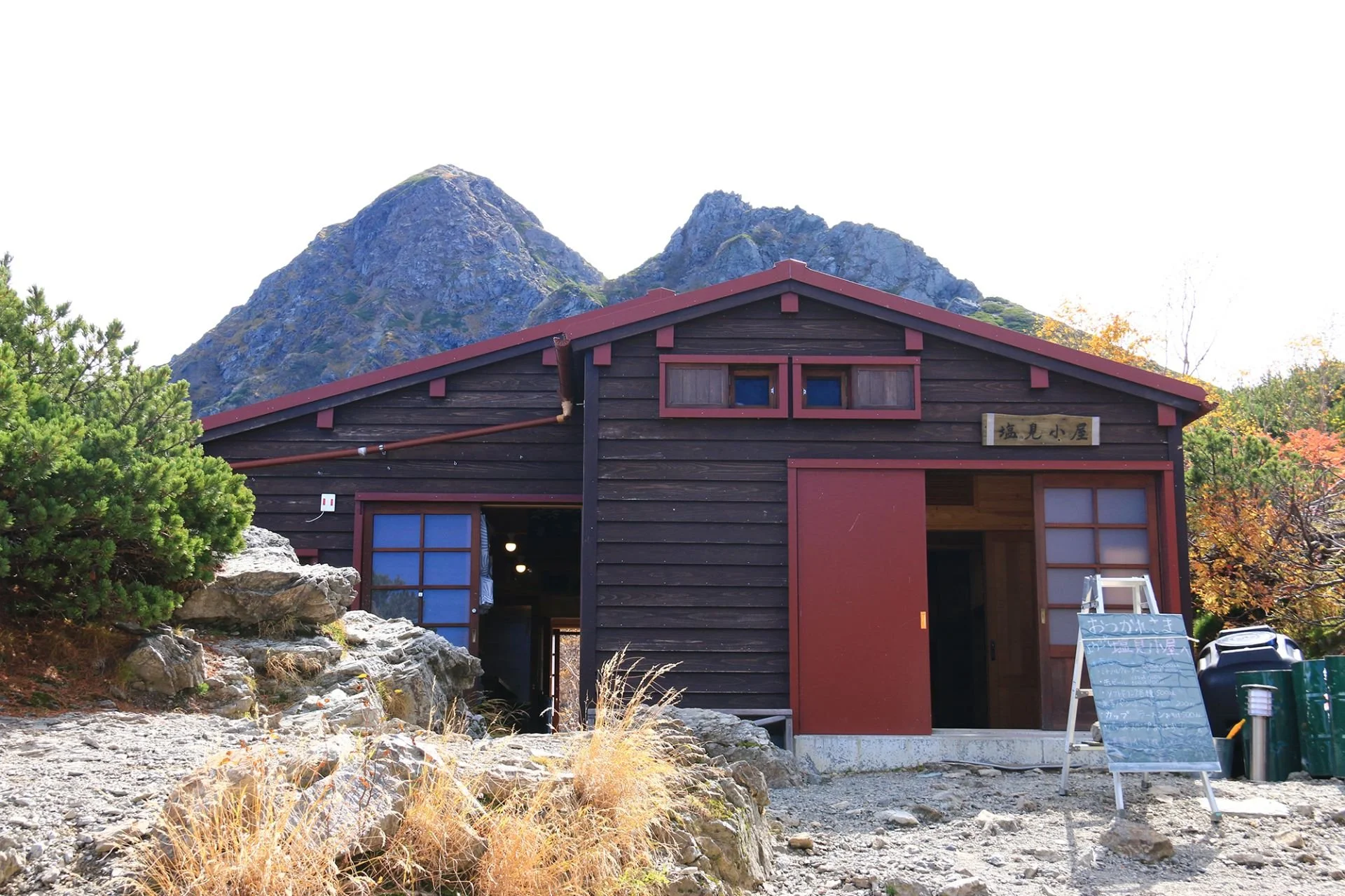
Shiomi-goya (塩見小屋)
Shiomi-goya is a famously remote ridgeline mountain hut near the summit of Mt. Shiomi-dake, right in the “spine” of Japan’s Southern Alps. It’s the kind of hut you don’t reach by accident: even from the closest trailhead, it’s a long day—so the overnight is mainly about stage planning, weather windows, and ridge travel safety.
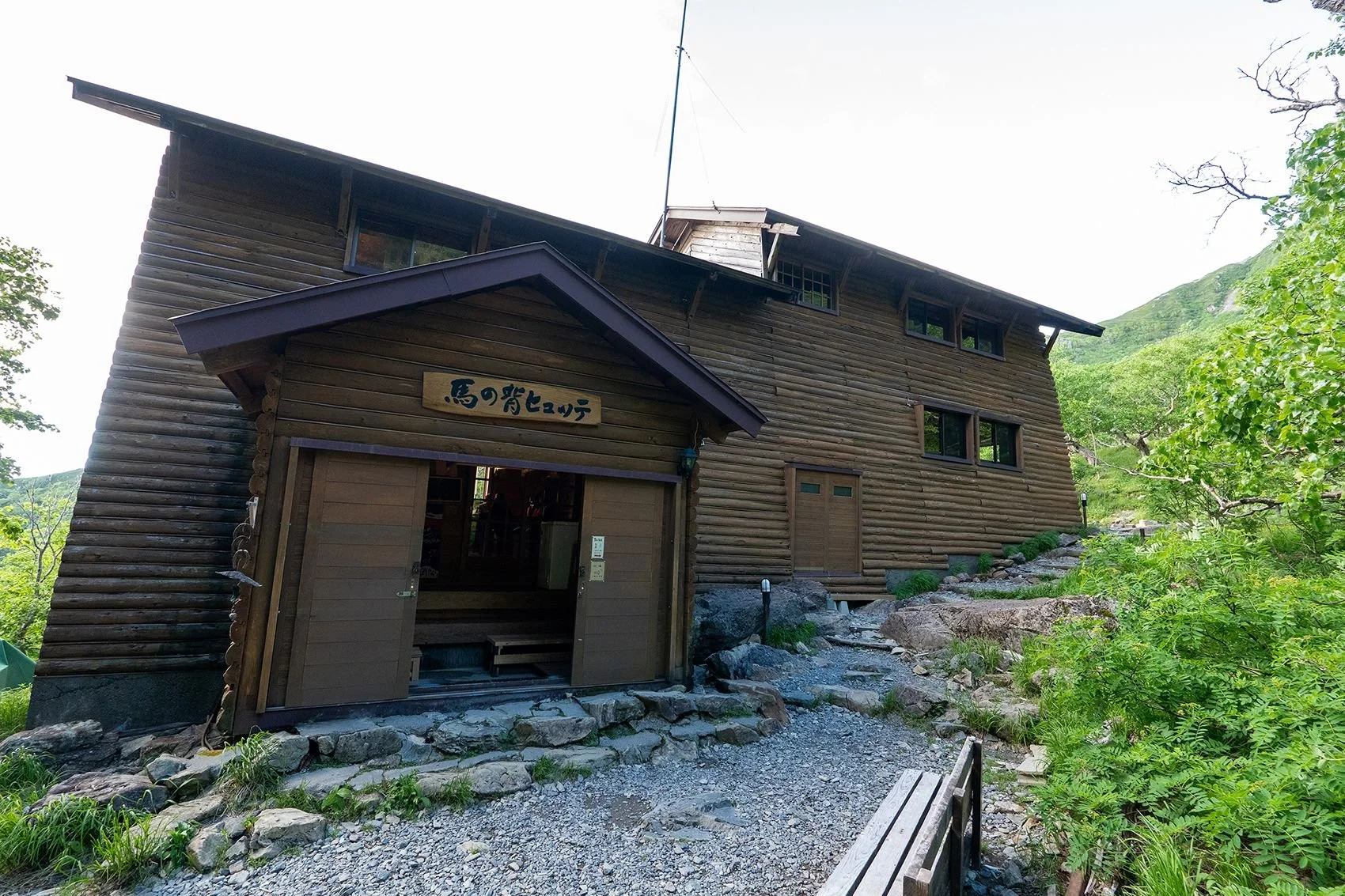
Umanose Hutte (馬の背ヒュッテ)
Umanose Hutte is a classic mountain hut on the upper slopes of Mt. Senjōgatake (仙丈ヶ岳, 3,033 m)—often called the “Queen of the Southern Alps.” It’s used as a strategic stage base for summit timing and for multi-day itineraries starting from Kitazawa Pass. The hut is also known for its strong “hut culture” (food and hospitality are a big part of its identity).
Yashajin-tōge-goya (夜叉神峠小屋)
Yashajin-tōge-goya is a tiny but strategically placed mountain hut + designated campsite right on Yashajin Pass, famous as a “front-row viewpoint” for the Shirane Three Mountains (Mt. Kita, Mt. Aino, Mt. Notori). It’s often used as an easy-access overnight to catch sunrise/sunset views, or as a first staging stop before moving deeper toward Minami-Omuro-koya and the Houō area routes.
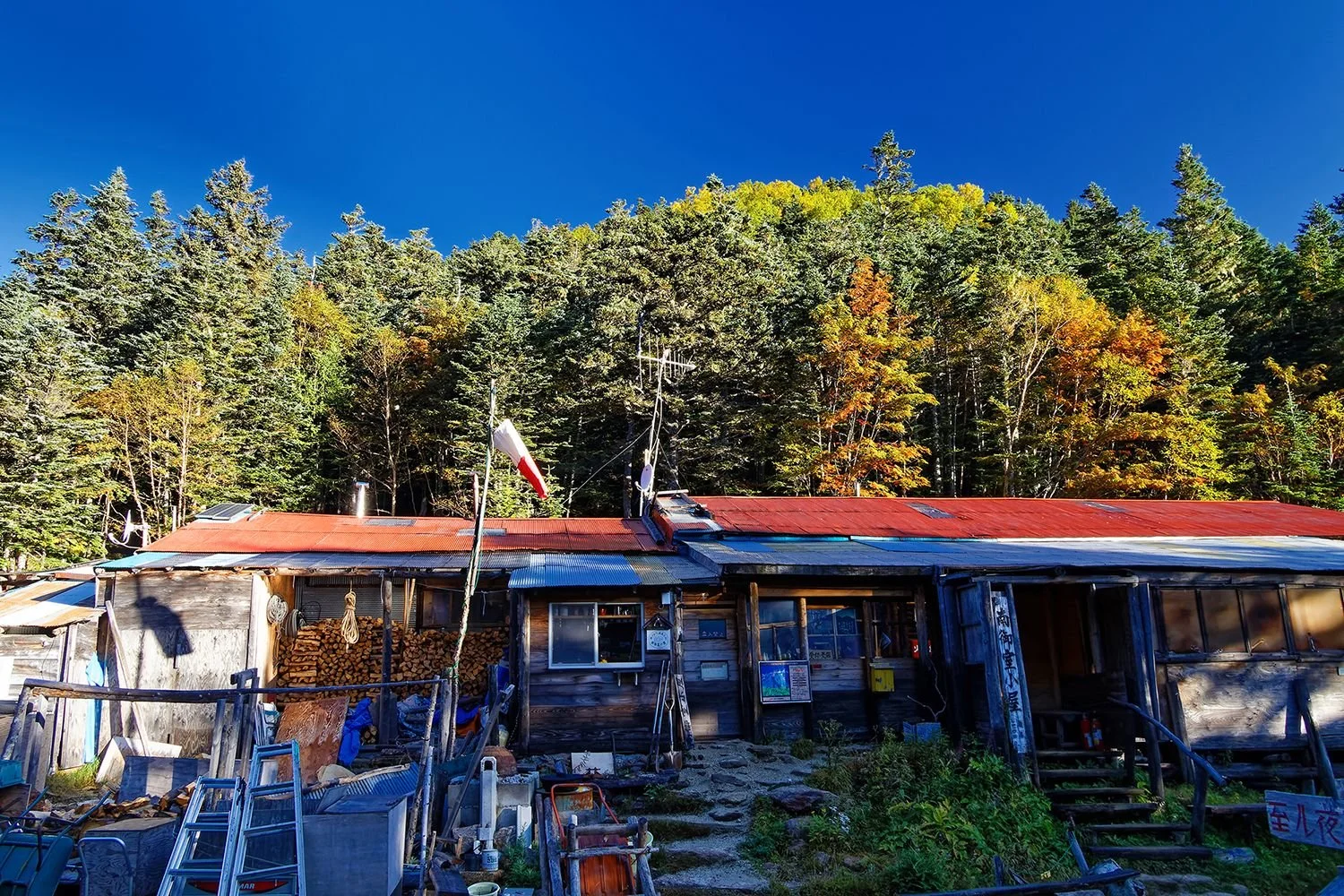
Minami-Omuro-koya (南御室小屋)
Minami-Omuro-koya is a classic Southern Alps mountain hut + designated campsite sitting in a sheltered forest basin on the approach to Houō Sanzan. Despite being on a ridgeline route, it’s famously well supplied with water, with a stream running beside the hut—so it feels calmer and “softer” than many exposed ridge huts.
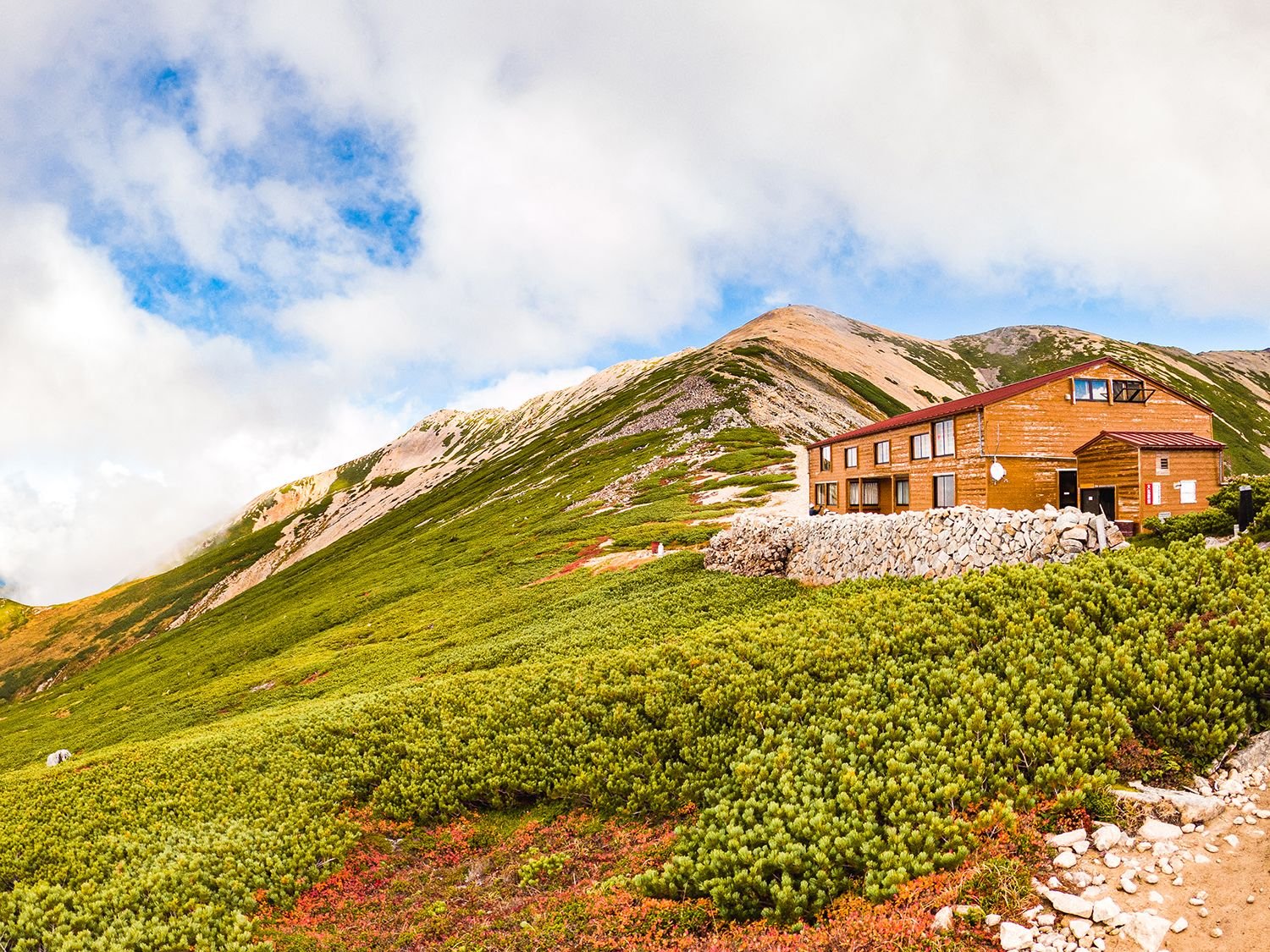
Yakushi-dake-koya (薬師岳小屋)
Yakushi-dake-koya is a classic high-ridge mountain hut on Houō Sanzan (Yakushi-dake / Kannon-dake / Jizō-dake), positioned on the saddle between Yakushi-dake and Sunaharai-dake. It’s primarily a stage hut: a practical overnight to split long ridge days, time weather windows, and access the Houō ridgeline with better margins.
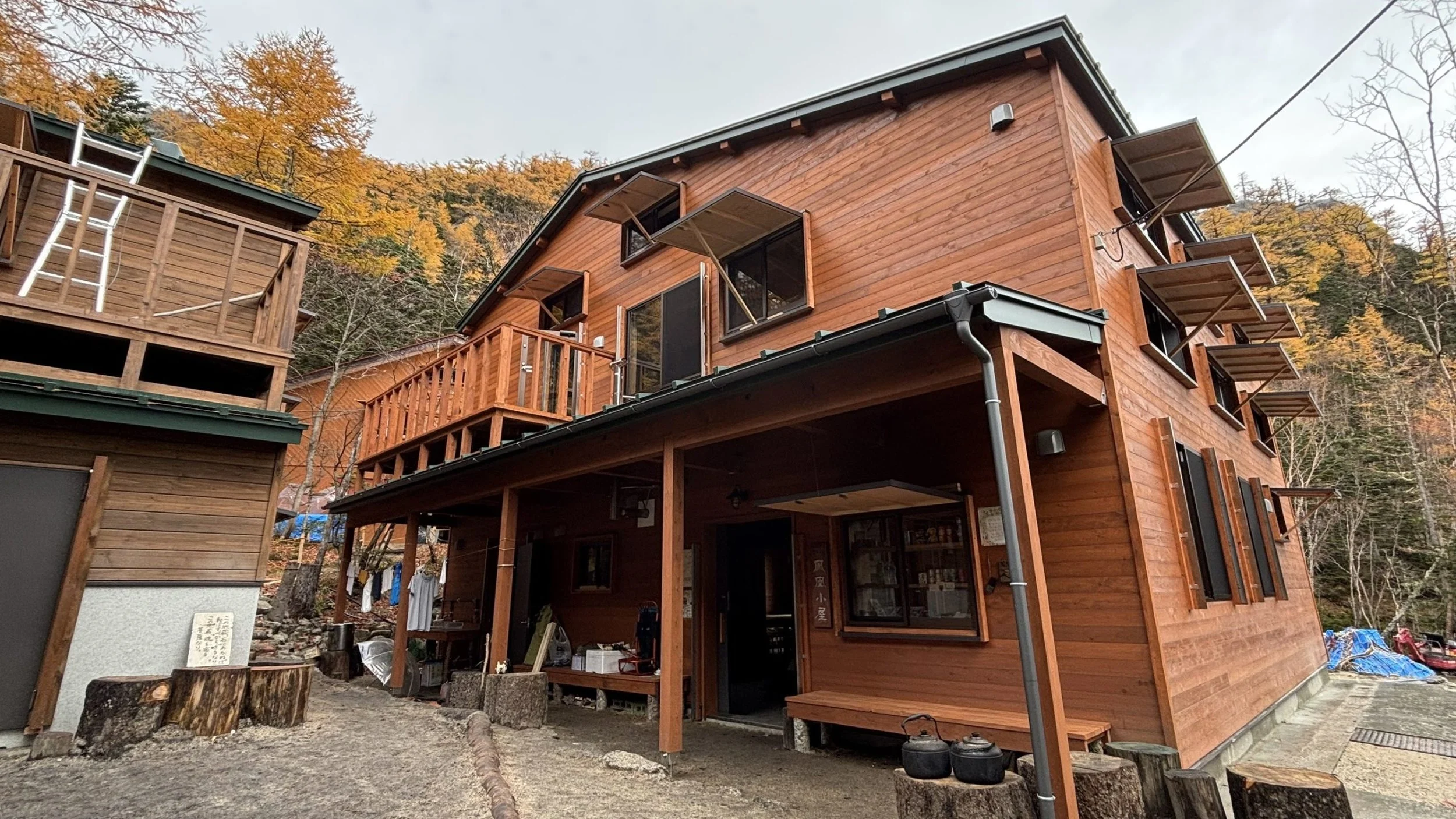
Houo Goya (鳳凰小屋)
Houo Goya is the signature mountain hut of the Houō Sanzan (Yakushi-dake, Kannon-dake, Jizō-dake), set just below the iconic Jizō-dake “Obelisk”. It’s a high-value staging base for summit pushes and ridge loops, with a “traditional hut” atmosphere that’s strongly associated with this mountain group.
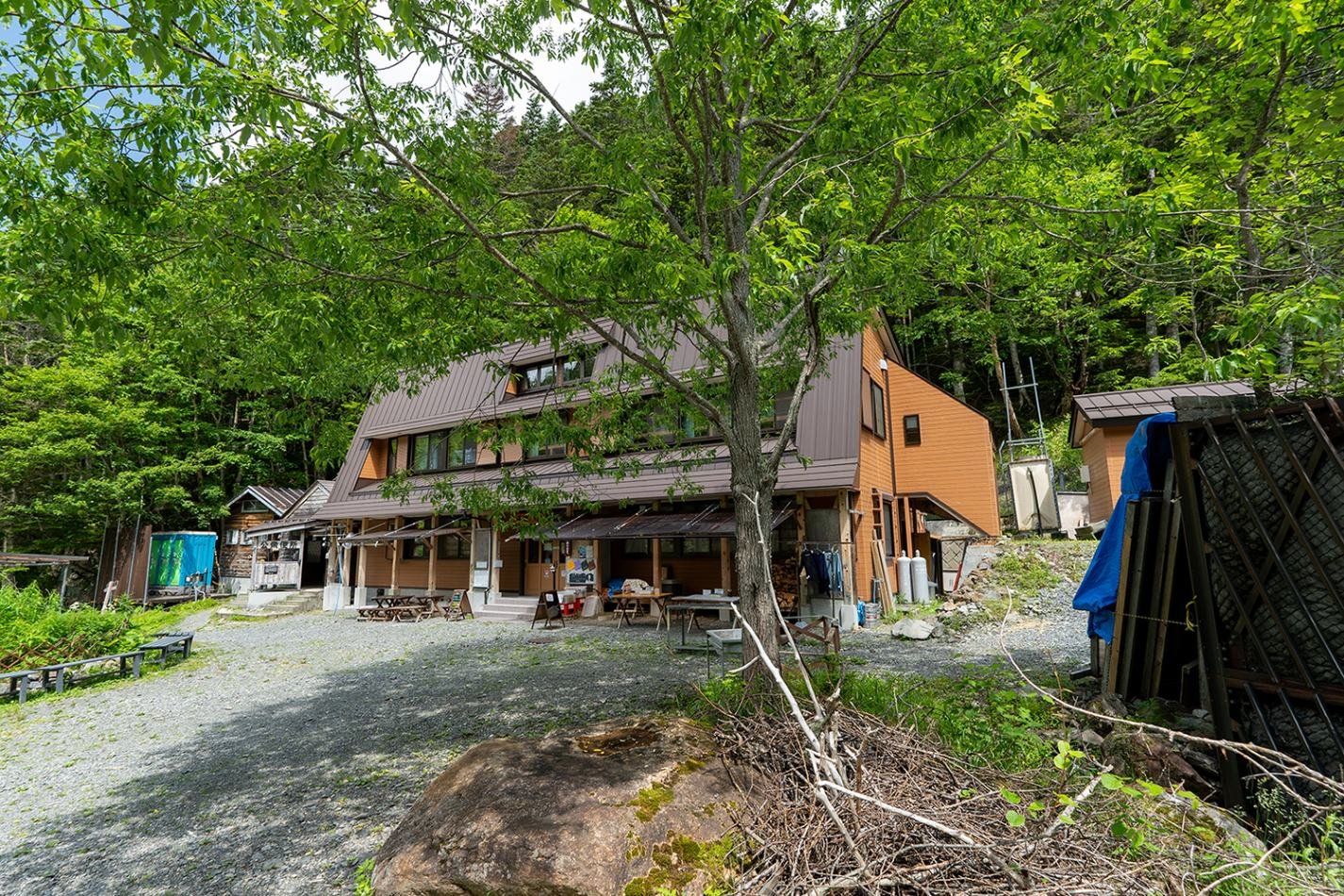
Chōei-koya (長衛小屋)
Chōei-koya is the key trailhead/base hut on the Kitazawa Pass (北沢峠) approach in Japan’s Southern Alps. It’s the primary staging point for Mt. Kaikomagatake, Mt. Senjōgatake, and Mt. Kurisawa, and it’s also notable for being the only campsite base around Kitazawa Pass.
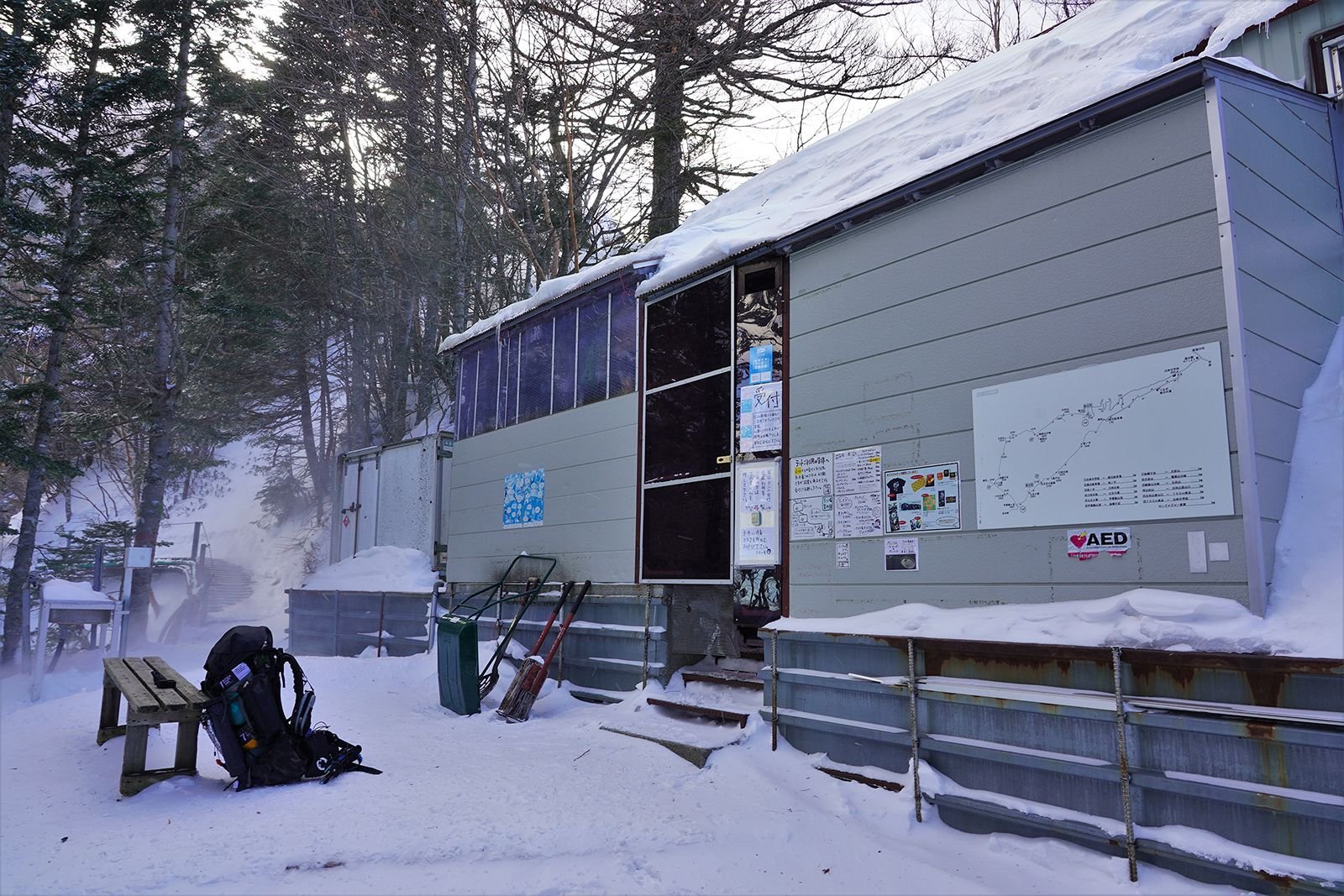
Shichijo Koya (七丈小屋)
Shichijo Koya is the only mountain hut on the Kuroto Ridge (黒戸尾根)—the classic, demanding “front route” up Mt. Kaikomagatake (甲斐駒ヶ岳). It sits around the 7th station (Shichijo / 七丈) and is widely used to split the huge elevation gain into a safer 2-day plan. The hut is notable for being staffed year-round, which is rare in Japan.
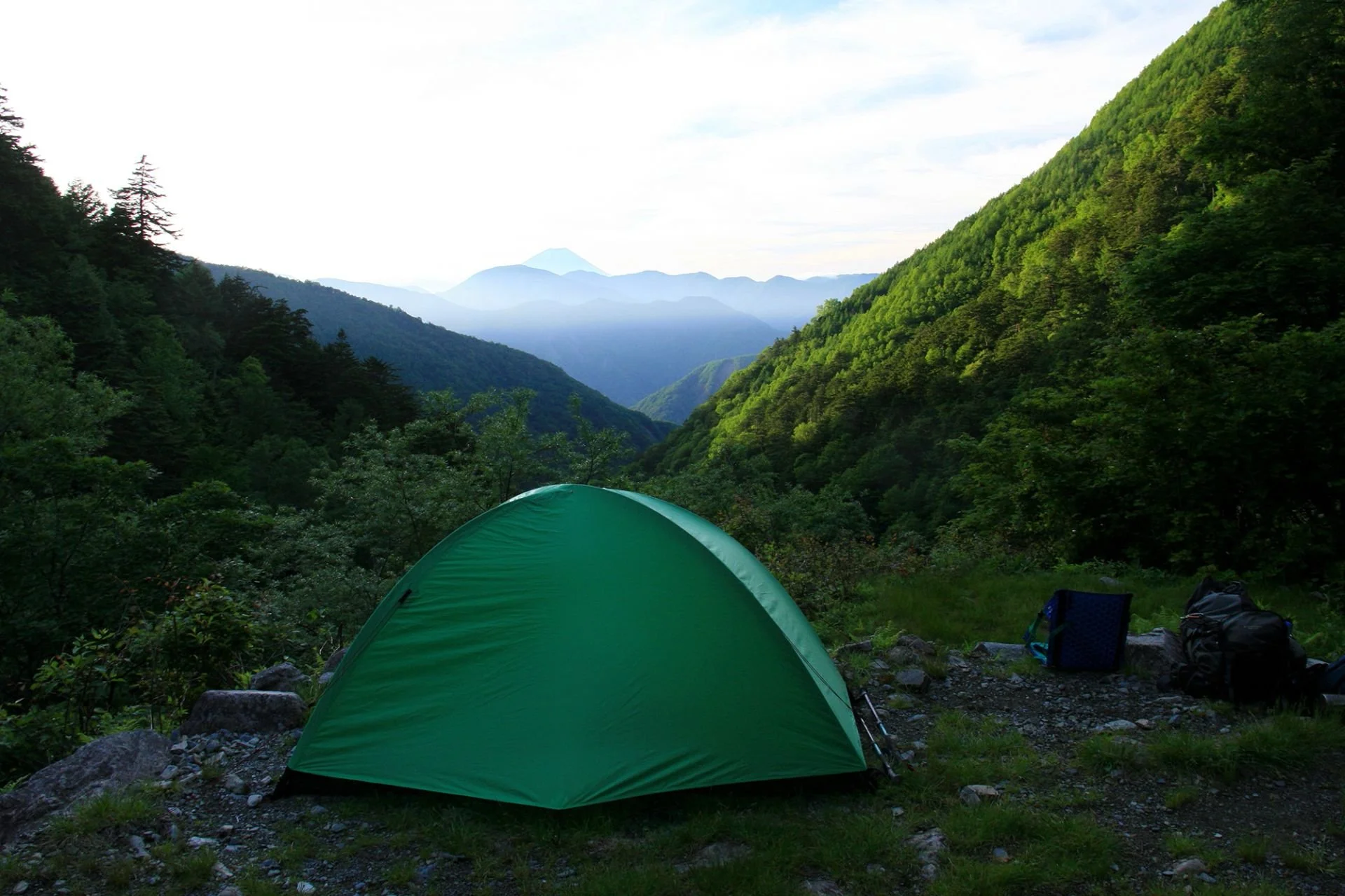
Daimon-zawa-koya (大門沢小屋)
Daimon-zawa-koya is a classic, deeply forested mountain hut + tent site on the Daimonzawa trail—a key approach used by hikers heading toward Mt. Nōtori (Notori-dake) and the Southern Alps main ridge. It’s well known for two standout features: a front-facing Mt. Fuji view from deep in the forest, and hot-water showers thanks to abundant water supply—rare comfort for a remote valley-stage hut.
Notori-goya (農鳥小屋)
Notori-goya is a small, strategically placed ridge hut + tent site in Japan’s Southern Alps, located on the saddle between Mt. Ainodake and Mt. Nishi-Notori-dake on the main ridgeline. It’s a classic traverse-stage base: you use it to split long 3,000 m-class ridge days, manage weather windows, and keep safe margins in a very exposed section of the Southern Alps.
Ryōmata-goya (両俣小屋)
Ryōmata-goya is a small, beloved mountain hut and designated campsite tucked deep in the Noro River headwaters in Japan’s Southern Alps. It sits just downstream from the confluence of the river’s left and right branches, far from the main “popular” ridges—so it attracts hikers who want a quieter, slower mountain experience: forest, water, and long-stage planning rather than crowded summit pipelines.
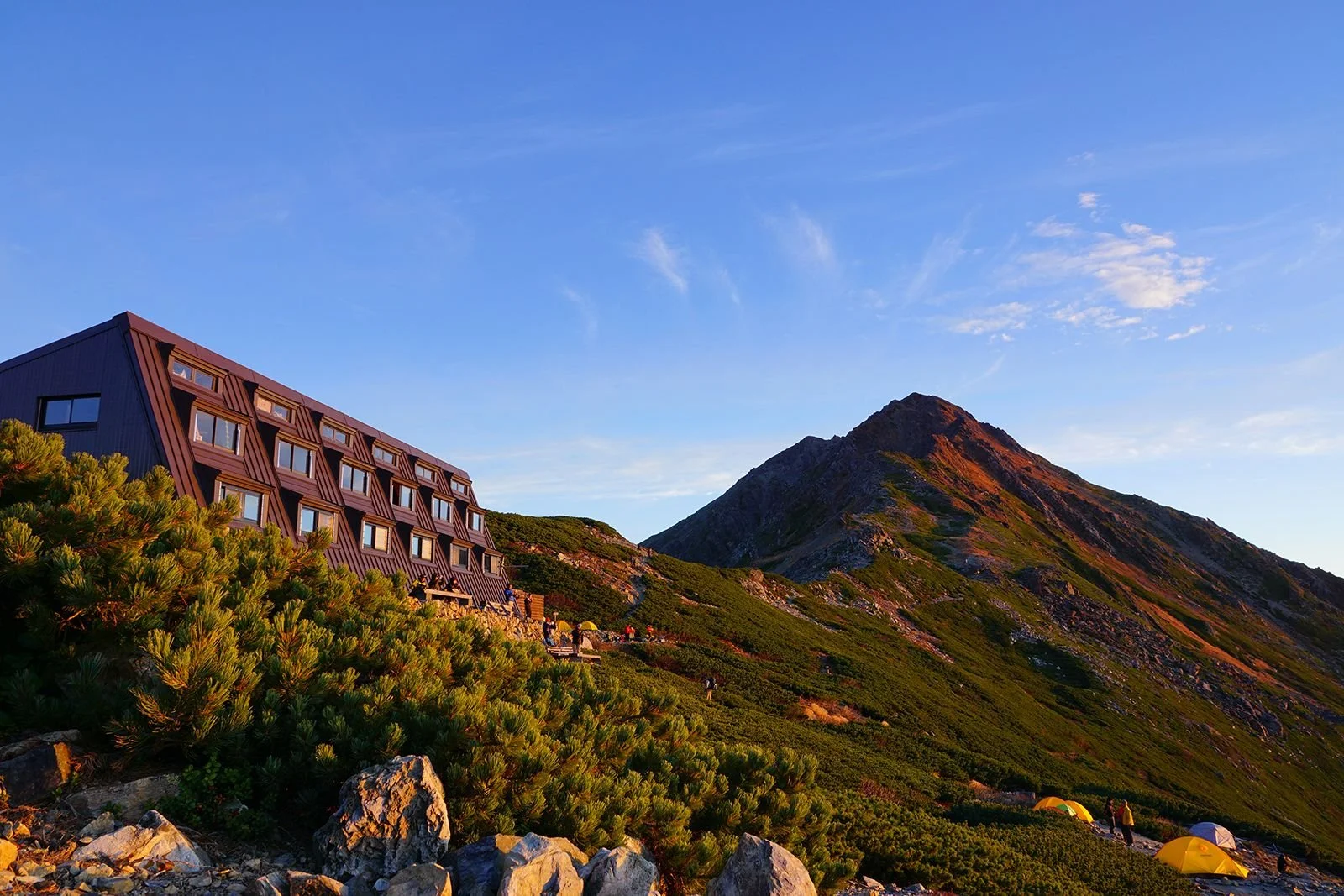
Kitadake-sanso (北岳山荘)
Kitadake-sanso is the main high-altitude ridge hut on the standard Mt. Kita itinerary, sitting on the ridgeline between Mt. Kita (3,193 m) and Mt. Aino (3,190 m) in Japan’s Southern Alps. It’s a true stage-and-summit base: most hikers use it to sleep high, time a summit push, and/or link a multi-day traverse across the Shiranesanzan ridge system.
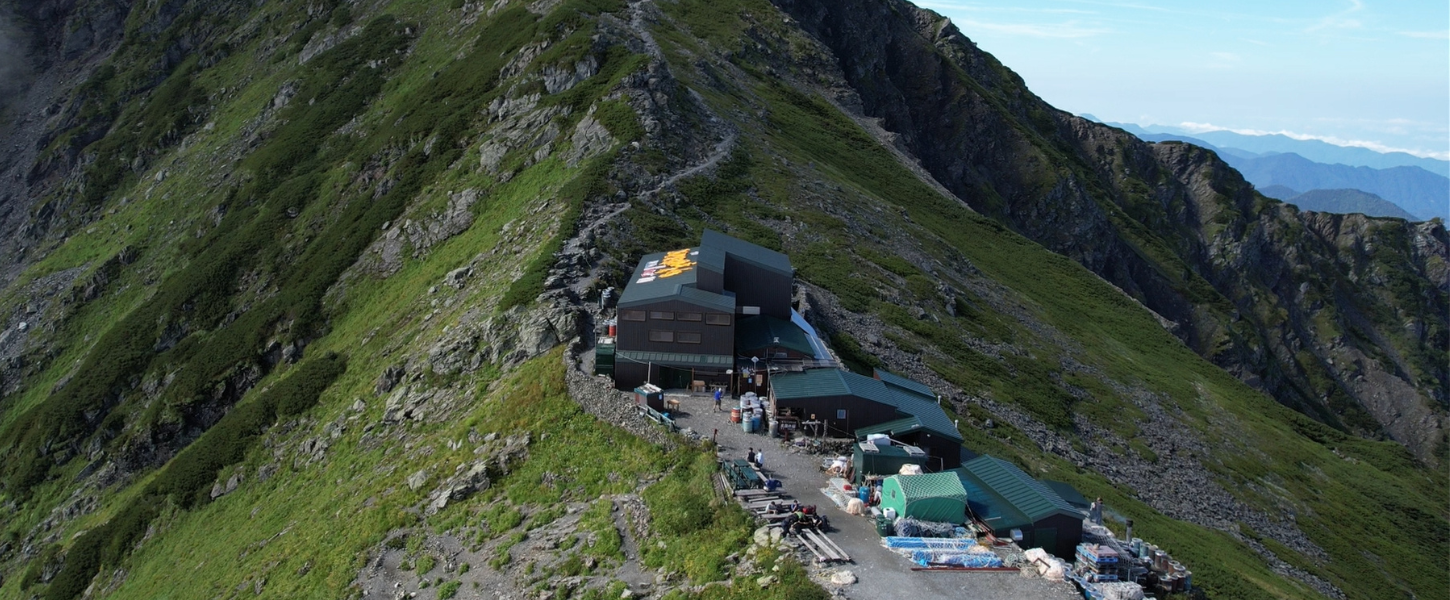
Kitadake-katano-koya (北岳肩の小屋)
Kitadake-katano-koya (“Kata-no-koya / Shoulder Hut”) is a major high-ridge hut sitting on the shoulder just below Mt. Kita (Kitadake)—Japan’s second-highest mountain. It’s famous for two things: prime ridge positioning (a short summit push away) and the fact that its campsite is often described as Japan’s highest designated camping area. It’s a key staging base for sunrise attempts and for multi-day Southern Alps traverses.
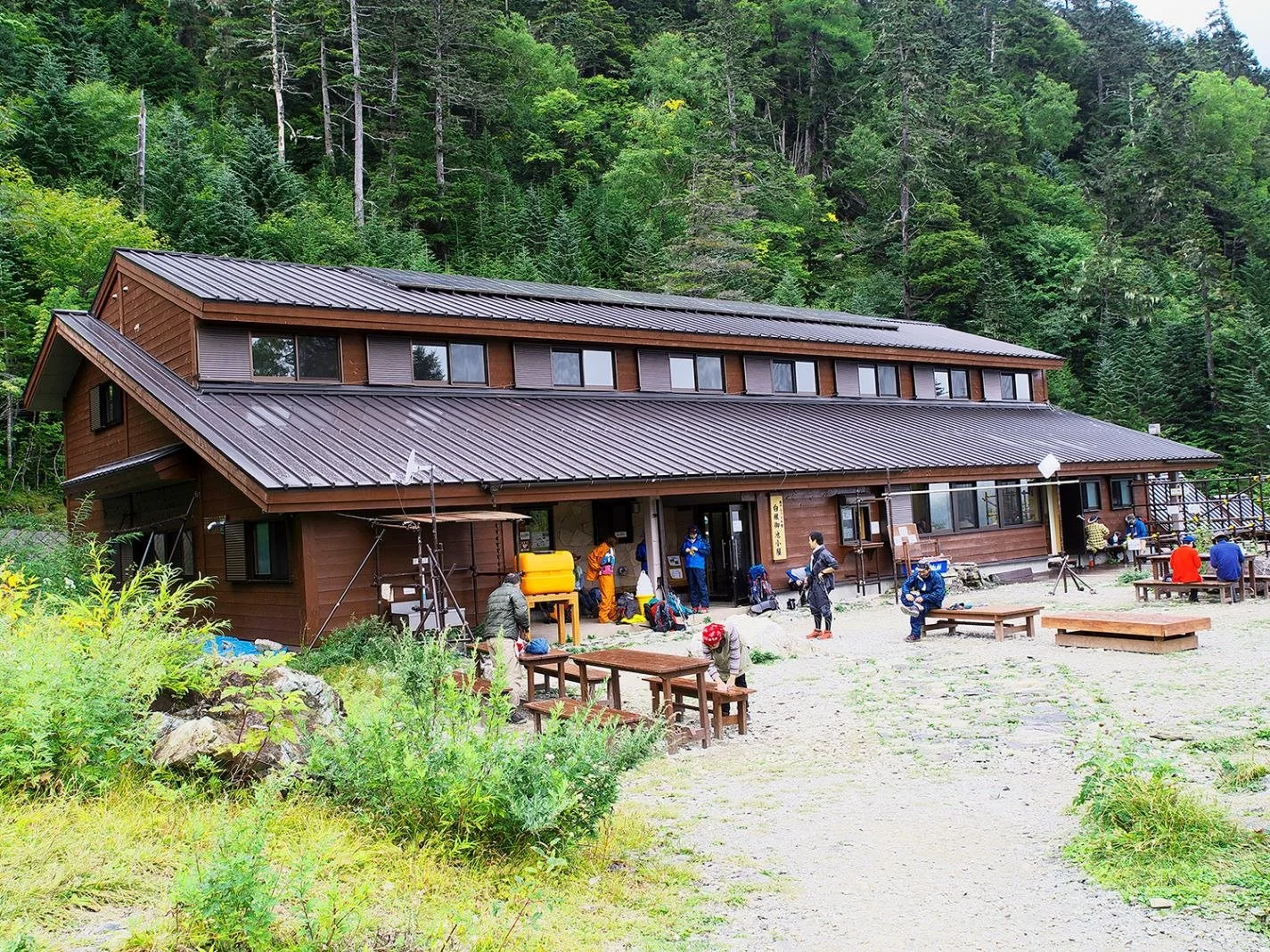
Shirane-oike-goya (白根御池小屋)
Shirane-oike-goya is the main mid-mountain staging hut on the standard Hirogawara → Mt. Kita (Kitadake) route in Japan’s Southern Alps (Akaishi Mountains). Set beside Shirane-oike Pond, it’s the classic place to break the ascent, recover, and launch a strong next-day push toward the high ridge huts and the summit.
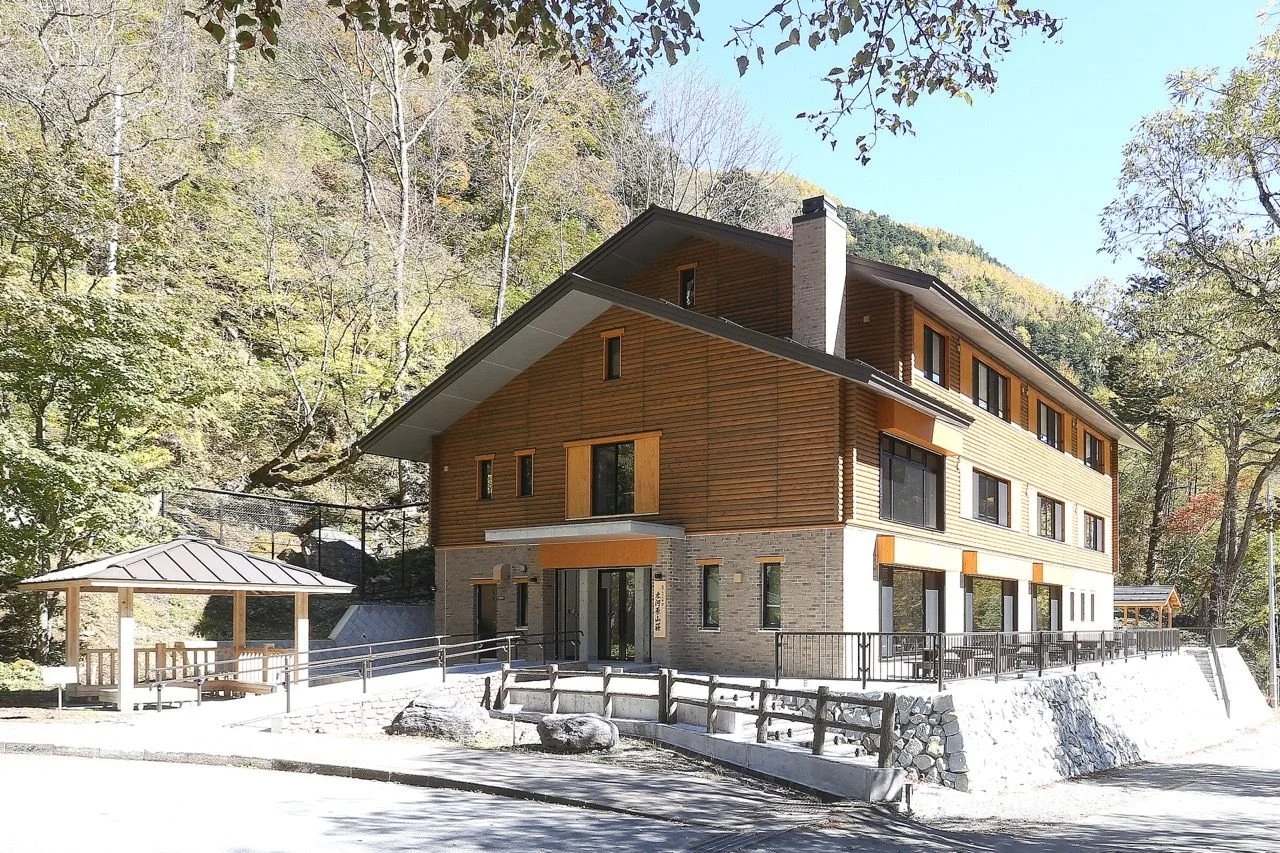
Hirogawara-sanso (広河原山荘)
Hirogawara-sanso is the key base lodge + campsite at Hirogawara, the primary trailhead for Mt. Kita (Kitadake, 3,193 m) in Japan’s Southern Alps (Akaishi Mountains). It’s not a ridge hut—it’s the logistics anchor where most Kitadake itineraries start: you arrive by bus, sort permits/route plans, sleep low, and then head into the high mountains early.