Kitadake-sanso (北岳山荘)
090-4529-4947
☎️
090-4529-4947 ☎️
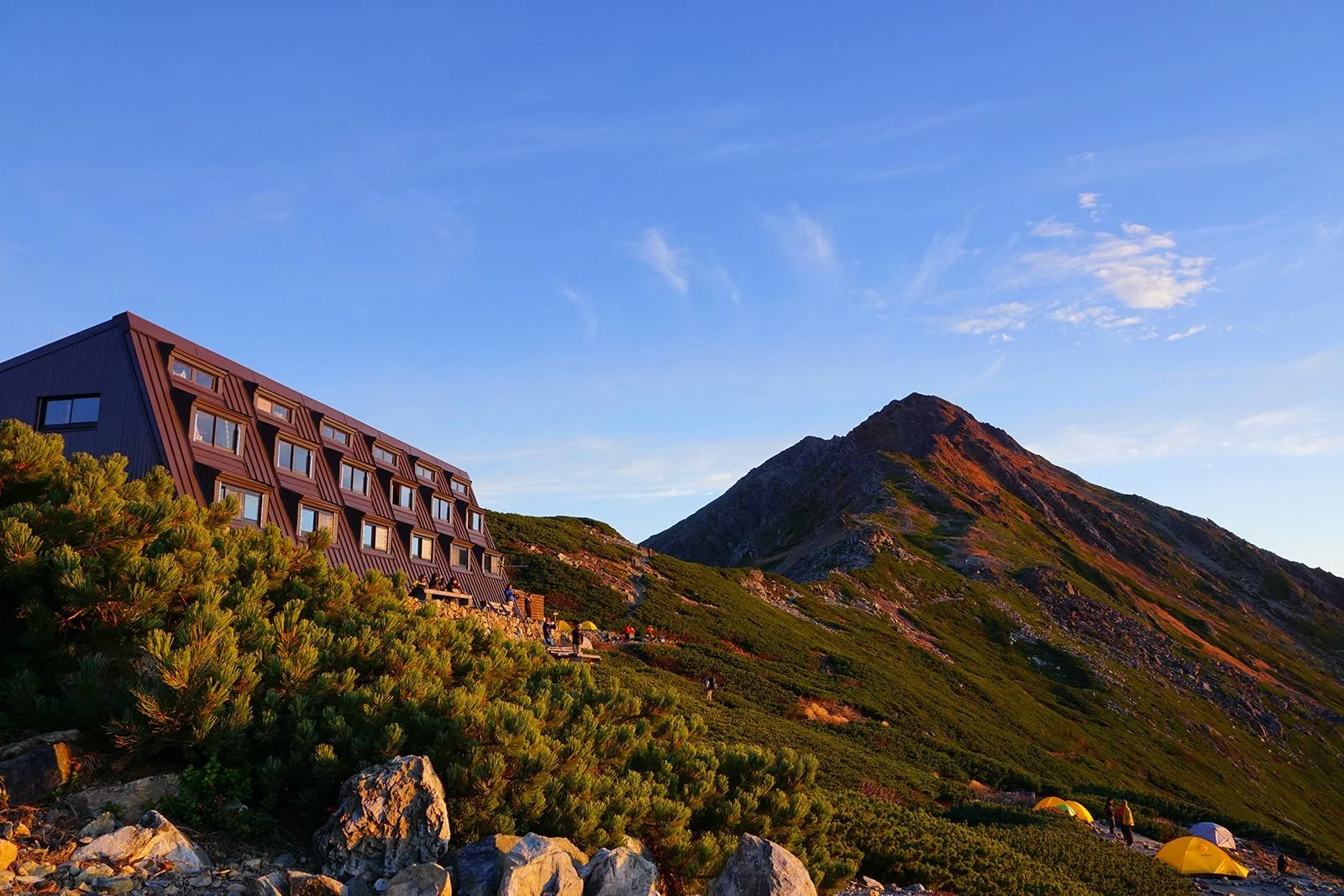
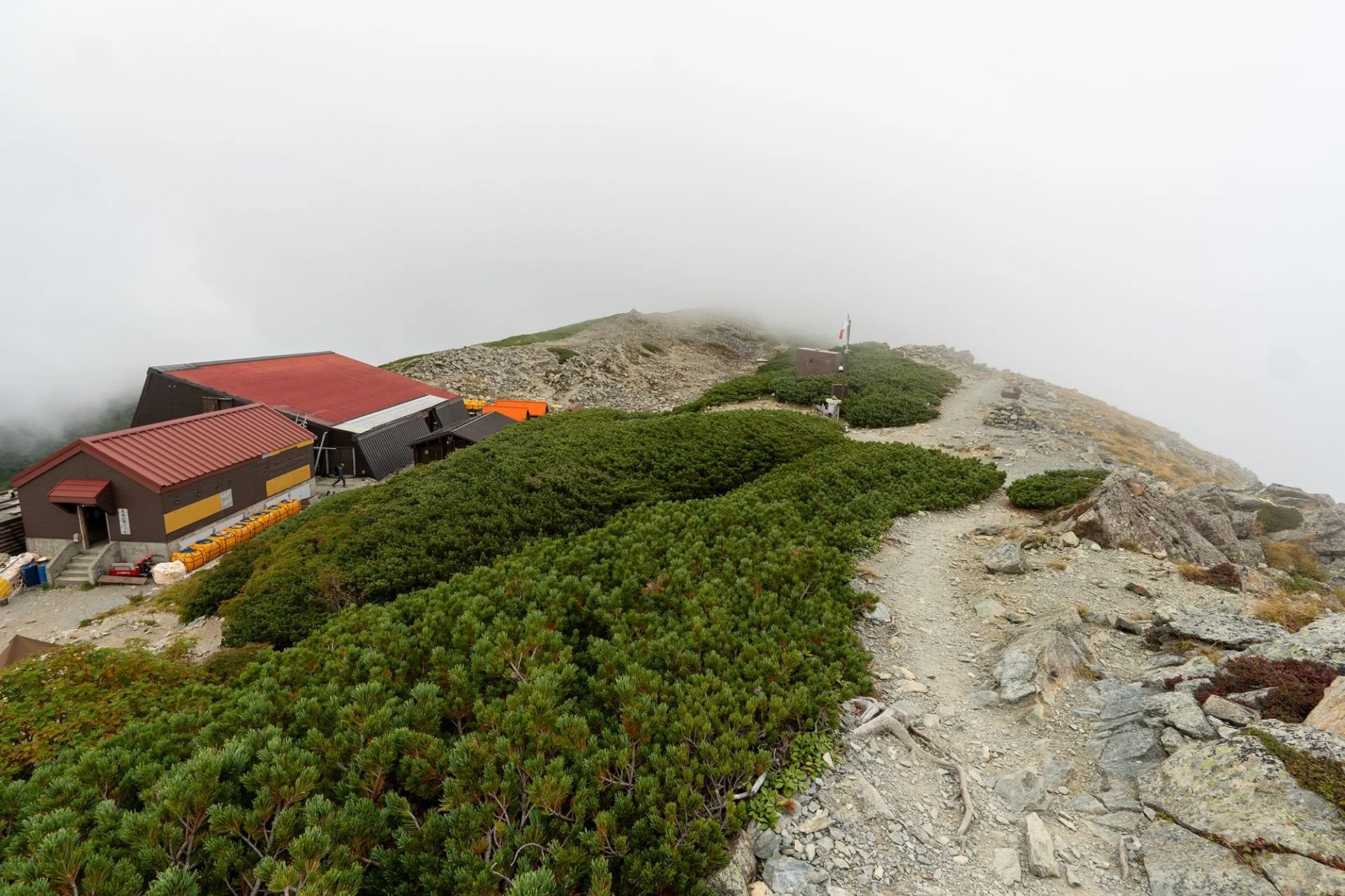
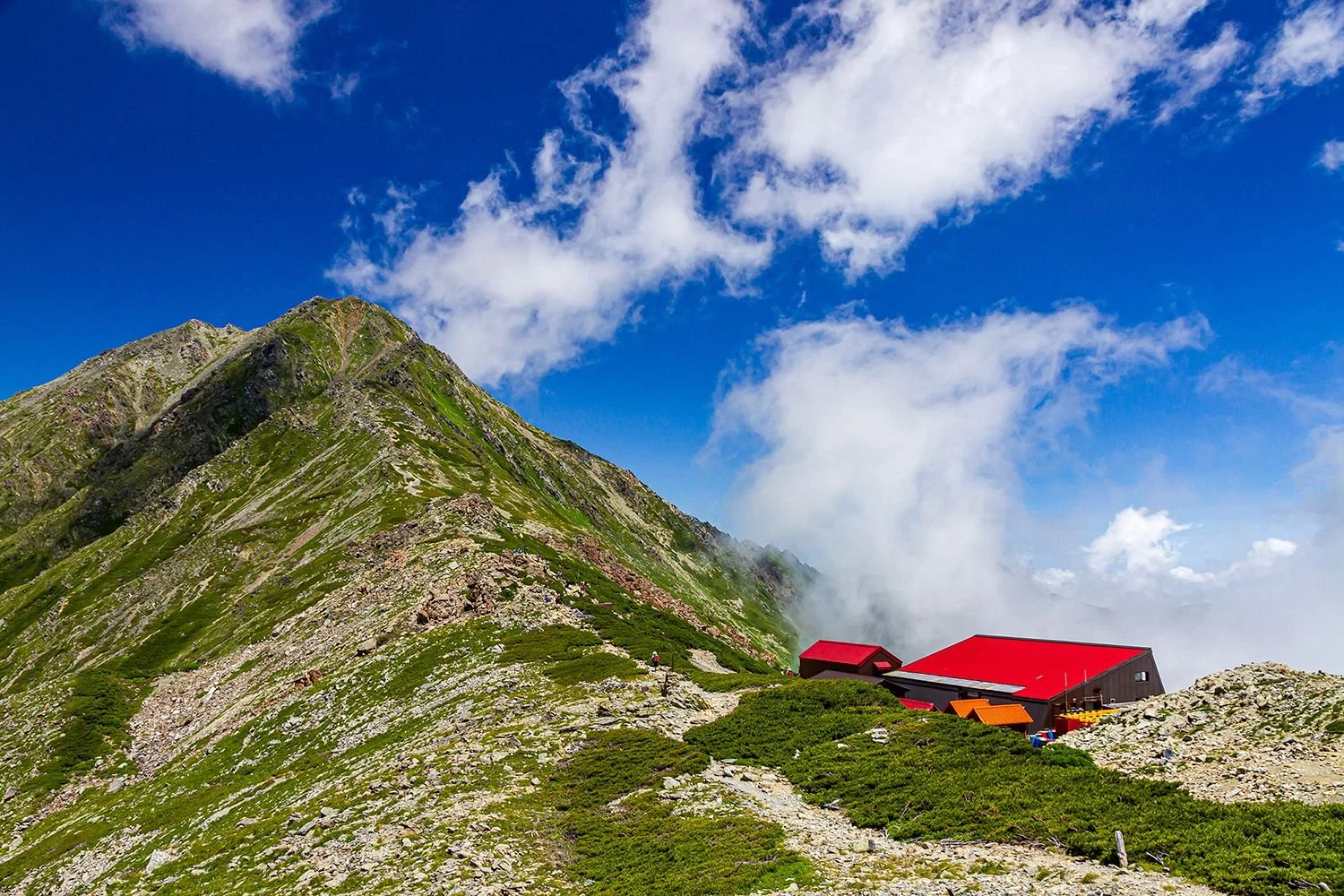
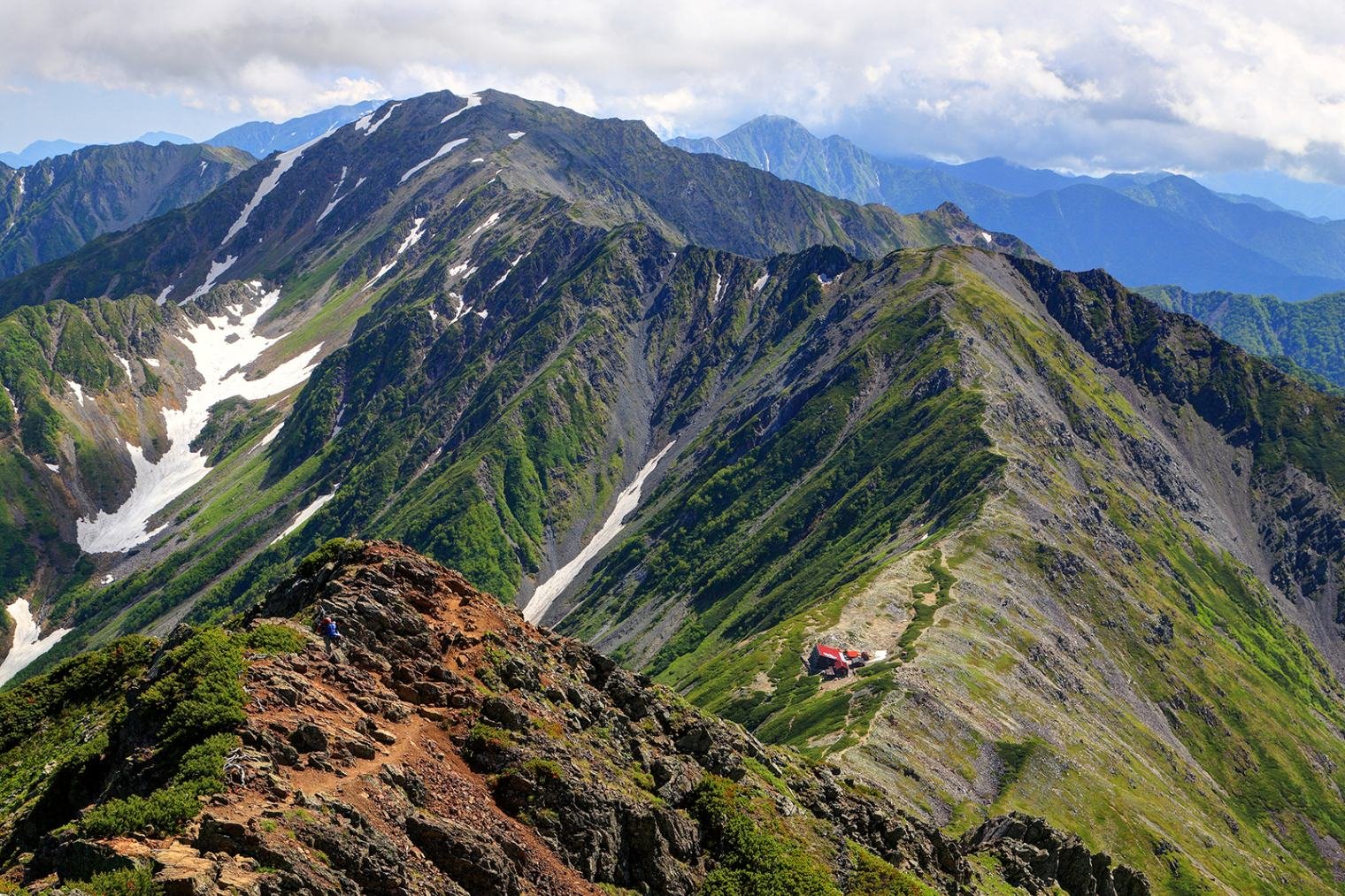
Kitadake-sanso is the main high-altitude ridge hut on the standard Mt. Kita itinerary, sitting on the ridgeline between Mt. Kita (3,193 m) and Mt. Aino (3,190 m) in Japan’s Southern Alps. It’s a true stage-and-summit base: most hikers use it to sleep high, time a summit push, and/or link a multi-day traverse across the Shiranesanzan ridge system.
-
Location: Ridgeline between Mt. Kita and Mt. Aino, Southern Alps (Yamanashi), Japan
Altitude: 2,900 m
Type: Mountain hut + tent site
Capacity: 80 sleeping places
Camping: ~40 tents
-
Most parties reach Kitadake-sanso after starting from the Hirogawara trailhead and staging at lower points (often Shirane-oike-goya) depending on pace and itinerary design. The hut is also commonly used on ridge loops that include Mt. Aino.
-
Kitadake-sanso is built as high-mountain infrastructure rather than a comfort lodge:
Dormitory-style sleeping and structured meal schedules (in season)
A dedicated tent area that supports self-sufficient parties while keeping you close to hut logistics
At 2,900 m, expect “mountain rules”: early arrival habits, early lights-out, and weather-driven decision making.
-
This is a classic summit-and-traverse hub: evenings are short, and most guests are either preparing a summit push for early morning or planning the next ridge stage toward Aino / Notori / onward routes.
-
Kitadake-sanso is especially relevant for:
Mt. Kita summit timing (sleep high → summit early)
Linking the Mt. Kita ↔ Mt. Aino ridge and longer Southern Alps itineraries
-
Best window: typically July–September for the most reliable snow-free hiking conditions on the ridge (still weather-dependent at ~3,000 m).
-
Hikers doing a staged Mt. Kita ascent
Multi-day trekkers on the Southern Alps ridgeline
Campers who want a high tent base with immediate access to hut infrastructure
Why This Hut Is Worth Visiting
With 80 beds at 2,900 m and a ~40-tent campsite, Kitadake-sanso is “infrastructure where it matters”: it makes summit timing and ridge traverses far more controllable in Japan’s Southern Alps—especially when weather windows and fatigue management are decisive.