
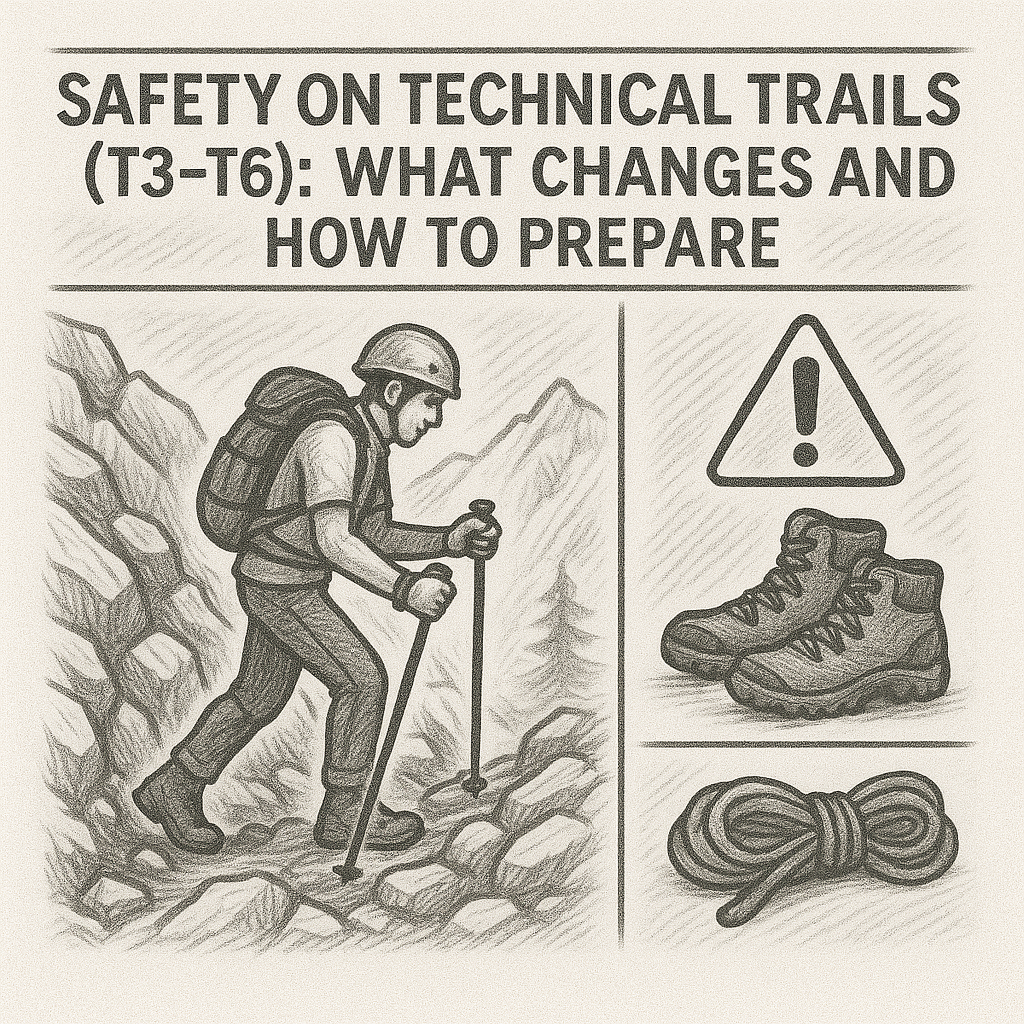
Safety on Technical Trails (T3–T6): What Changes and How to Prepare
Above all, good judgment—knowing when to proceed and when to turn back—keeps you safe. With solid preparation, hikers can progress into more challenging terrain while maintaining control and confidence.
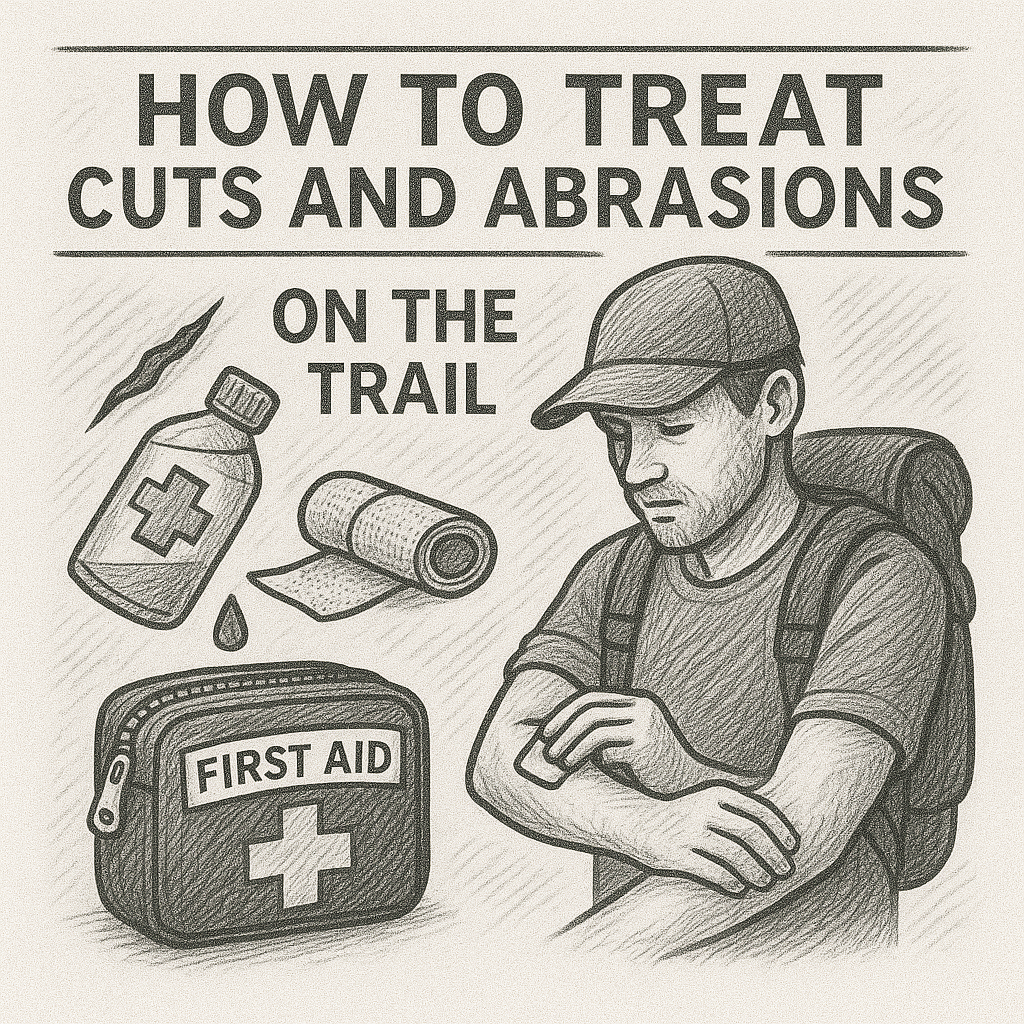
How to Treat Cuts and Abrasions on the Trail
By carrying a well-equipped first-aid kit and understanding how to use it, hikers can confidently address minor incidents and continue enjoying the trail. Mountain safety is not just about avoiding accidents—it’s also about responding effectively when the unexpected happens.
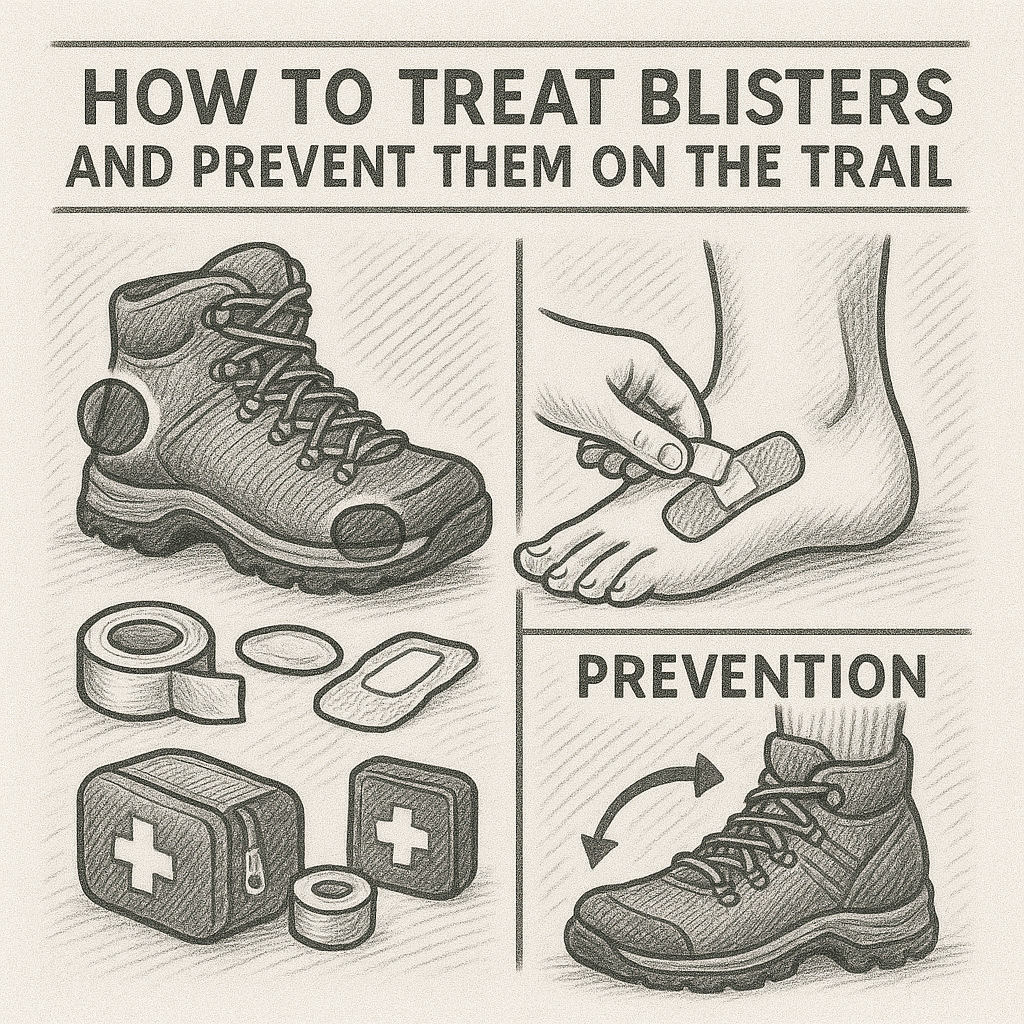
How to Treat Blisters and Prevent Them on the Trail
When blisters do form, knowing how to treat them quickly and hygienically helps maintain mobility and prevents complications. With the right preparation and techniques, hikers can enjoy long, demanding trails without unnecessary discomfort.
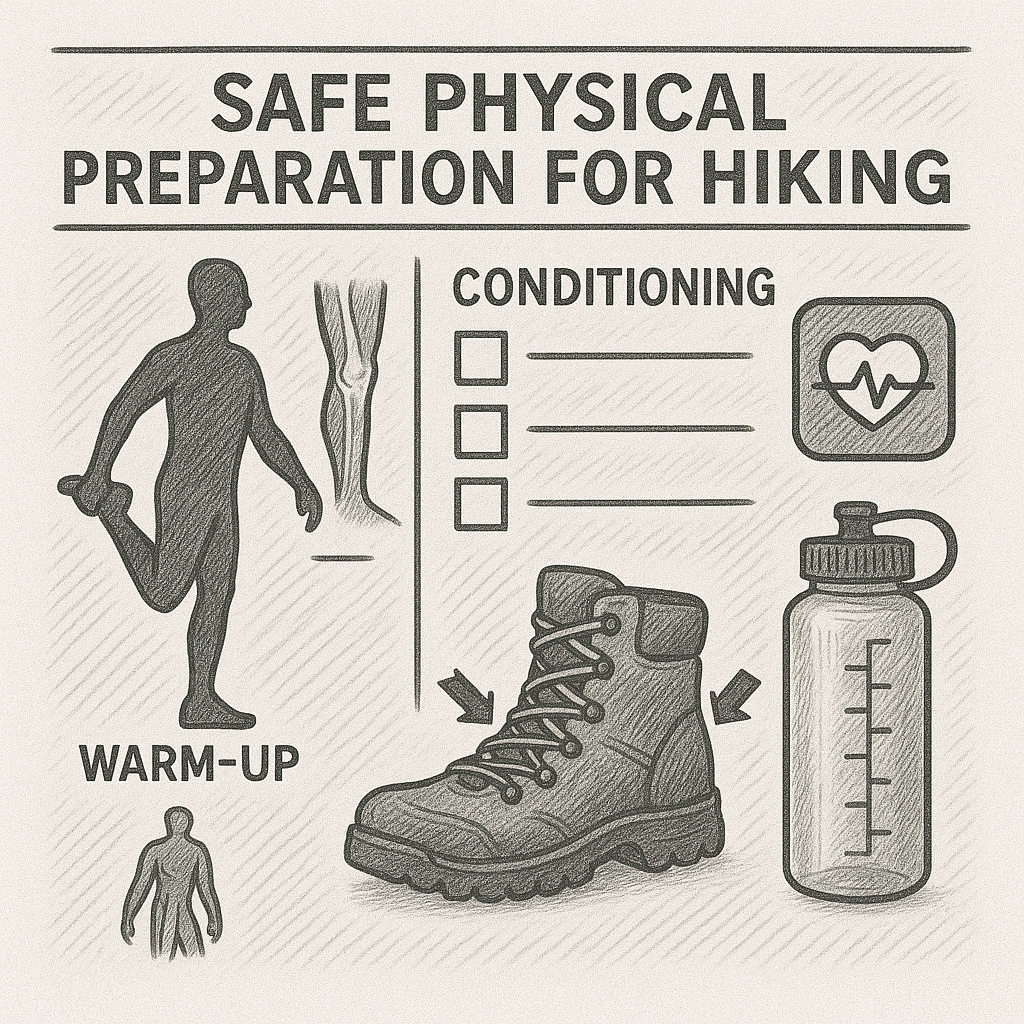
Safe Physical Preparation for Hiking
Prevention begins long before the trailhead—prepare your body well, and the mountains will reward you with safer and more fulfilling adventures.
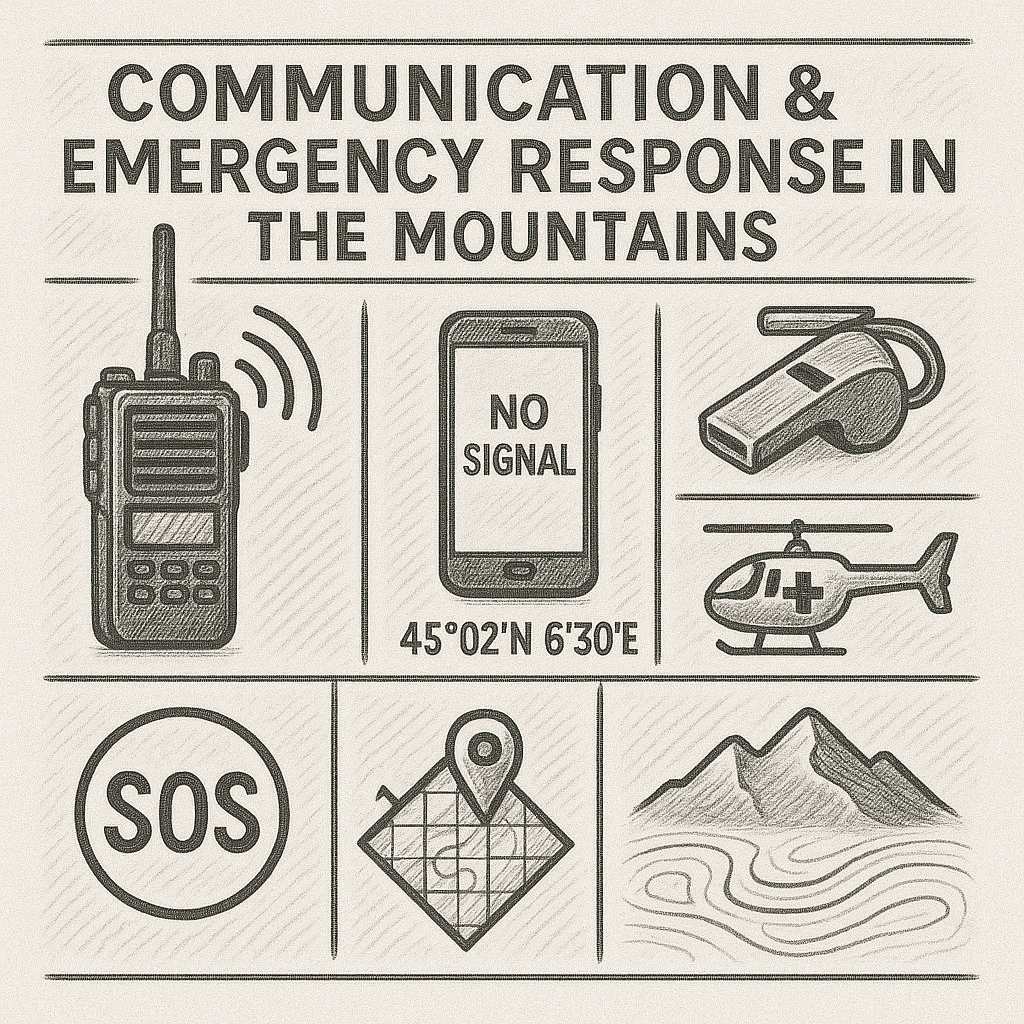
Communication and Emergency Response in the Mountains
By preparing in advance and understanding proper emergency protocols, hikers greatly increase their safety and resilience in unpredictable mountain terrain. With the right knowledge and equipment, help is never as far away as it seems.
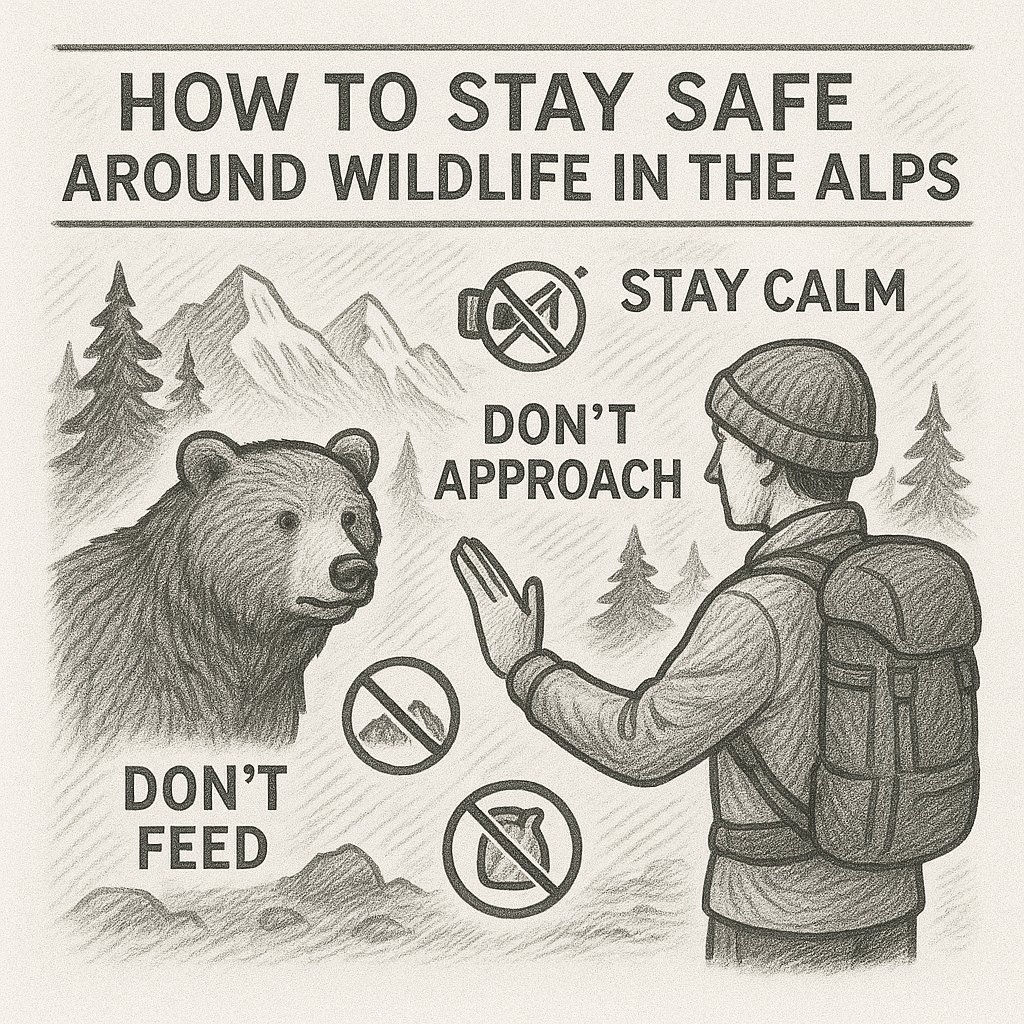
How to Stay Safe Around Wildlife in the Alps
By learning how animals interpret your presence and preparing accordingly, you protect both yourself and the wildlife that makes the Alps such a unique and magical place to explore.
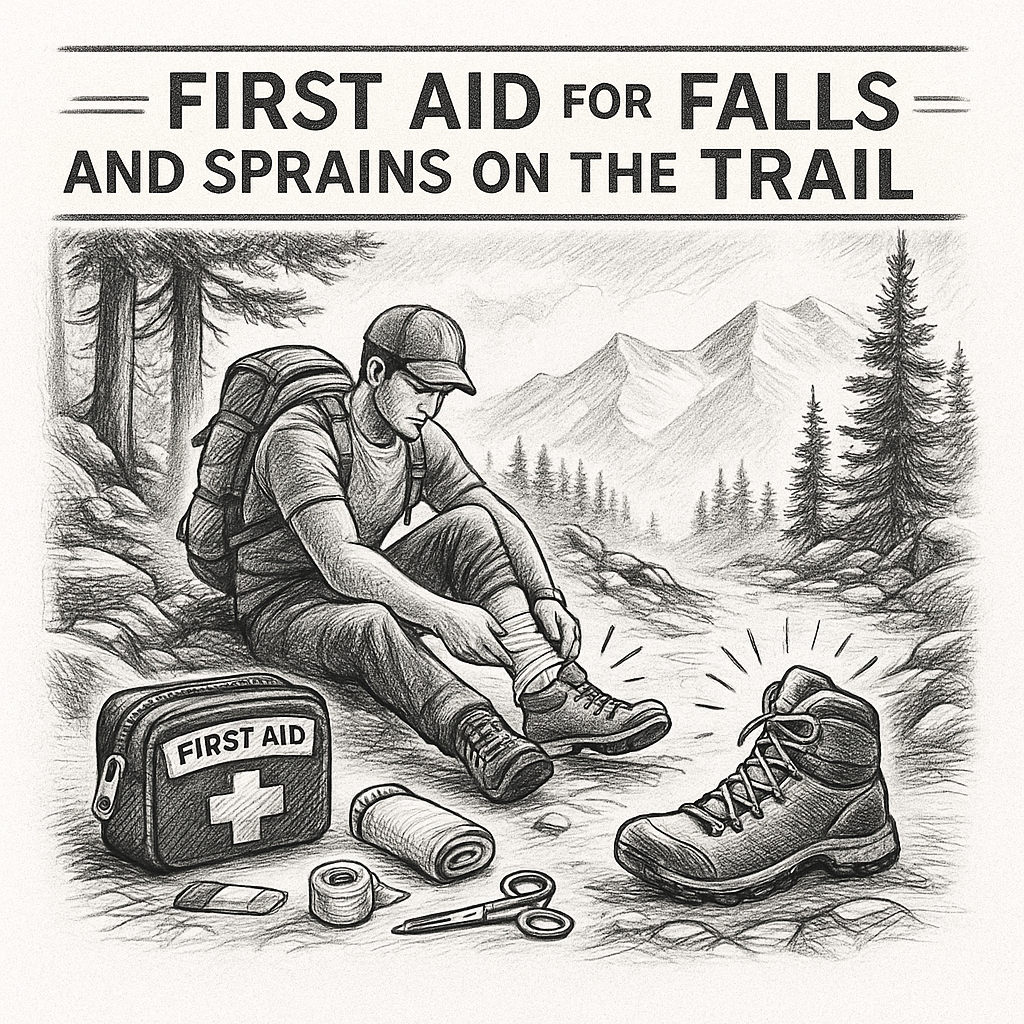
First Aid for Falls and Sprains on the Trail
Proper preparation, correct gear and awareness of your surroundings significantly reduce the risk of accidents. By responding quickly and confidently, you protect mobility, comfort and—most importantly—overall safety on the trail.
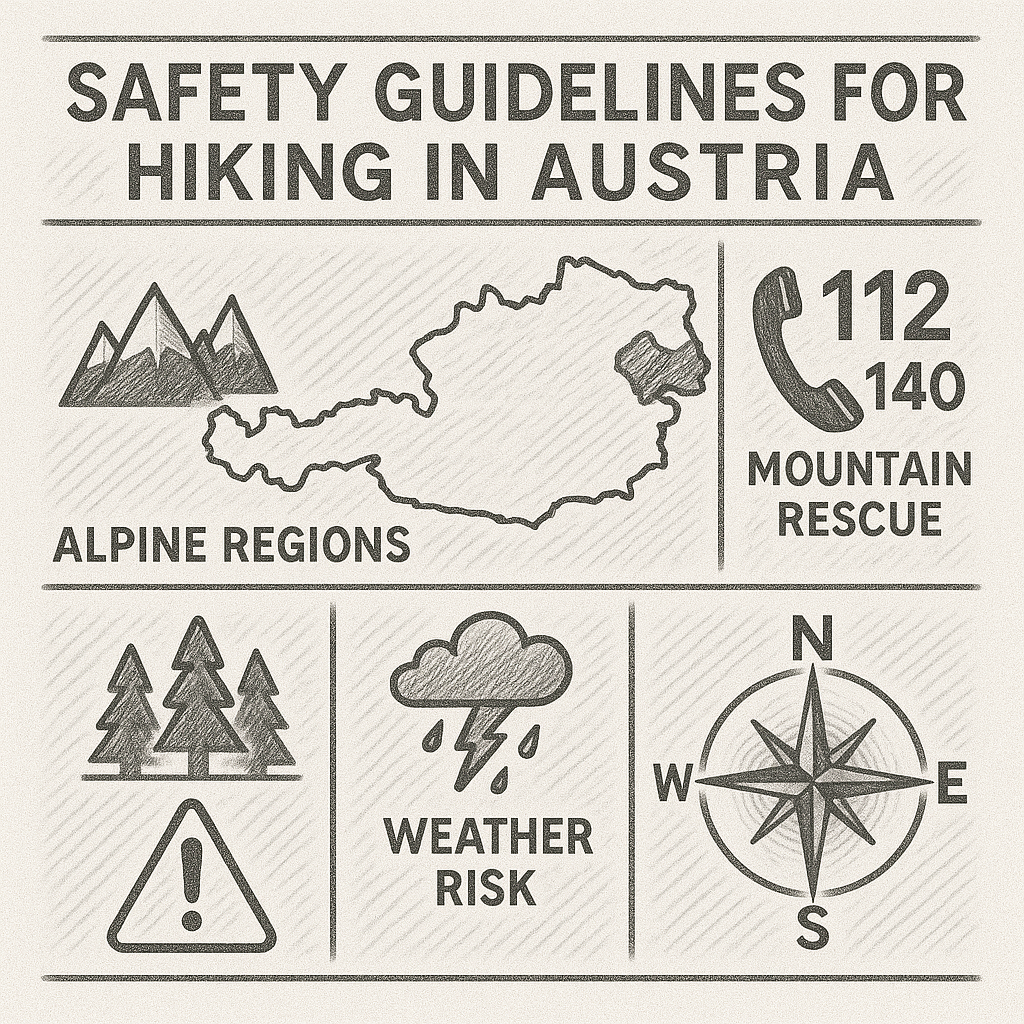
Safety Tips for Hiking in Austria and Important Emergency Contacts
Hiking in Austria is an extraordinary experience, but it requires awareness, preparation and respect for alpine conditions. By understanding trail classifications, monitoring weather, behaving safely around livestock, and carrying appropriate equipment, hikers significantly reduce their exposure to risk.
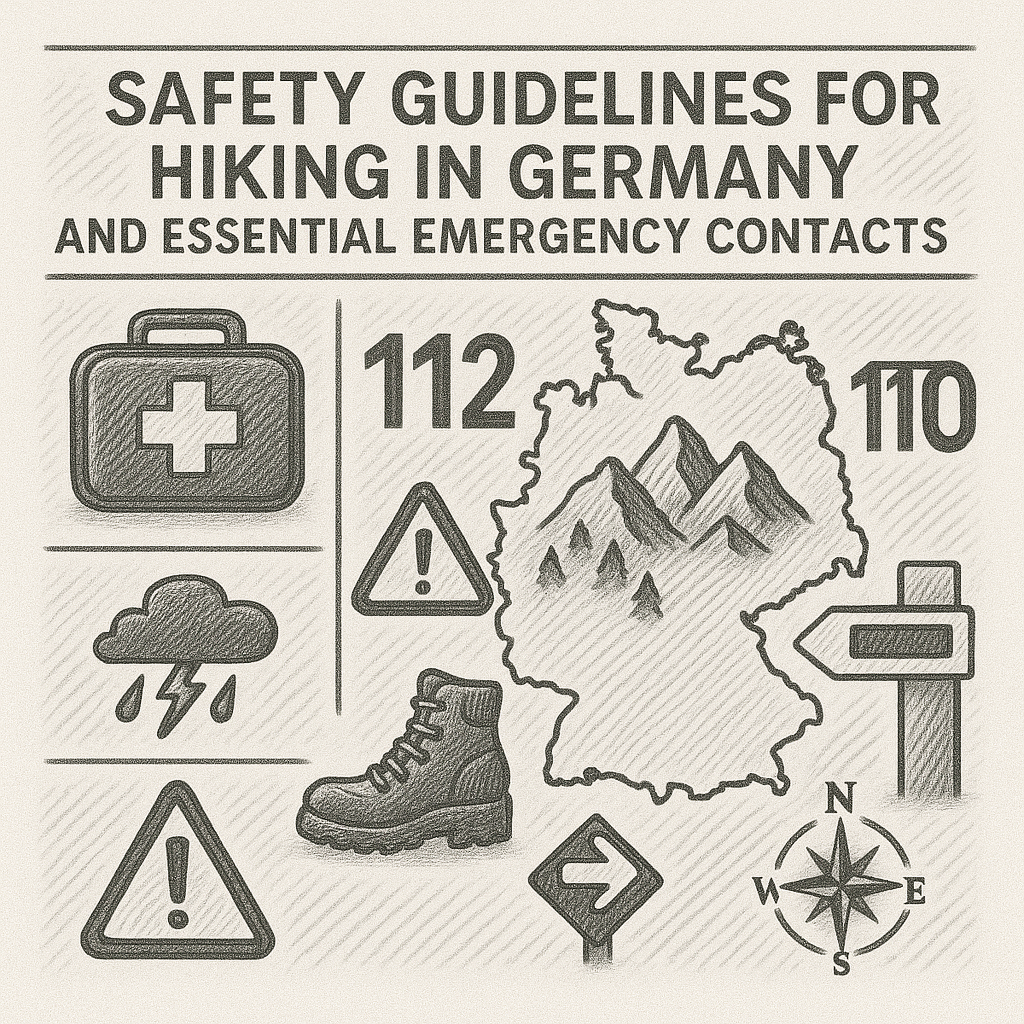
Safety Guidelines for Hiking in Germany and Essential Emergency Contacts
Germany is a safe and welcoming country for hikers, offering a wide variety of landscapes that suit all experience levels. With proper preparation, awareness of local terrain and respect for trail regulations, you can enjoy the natural beauty of the country with confidence.
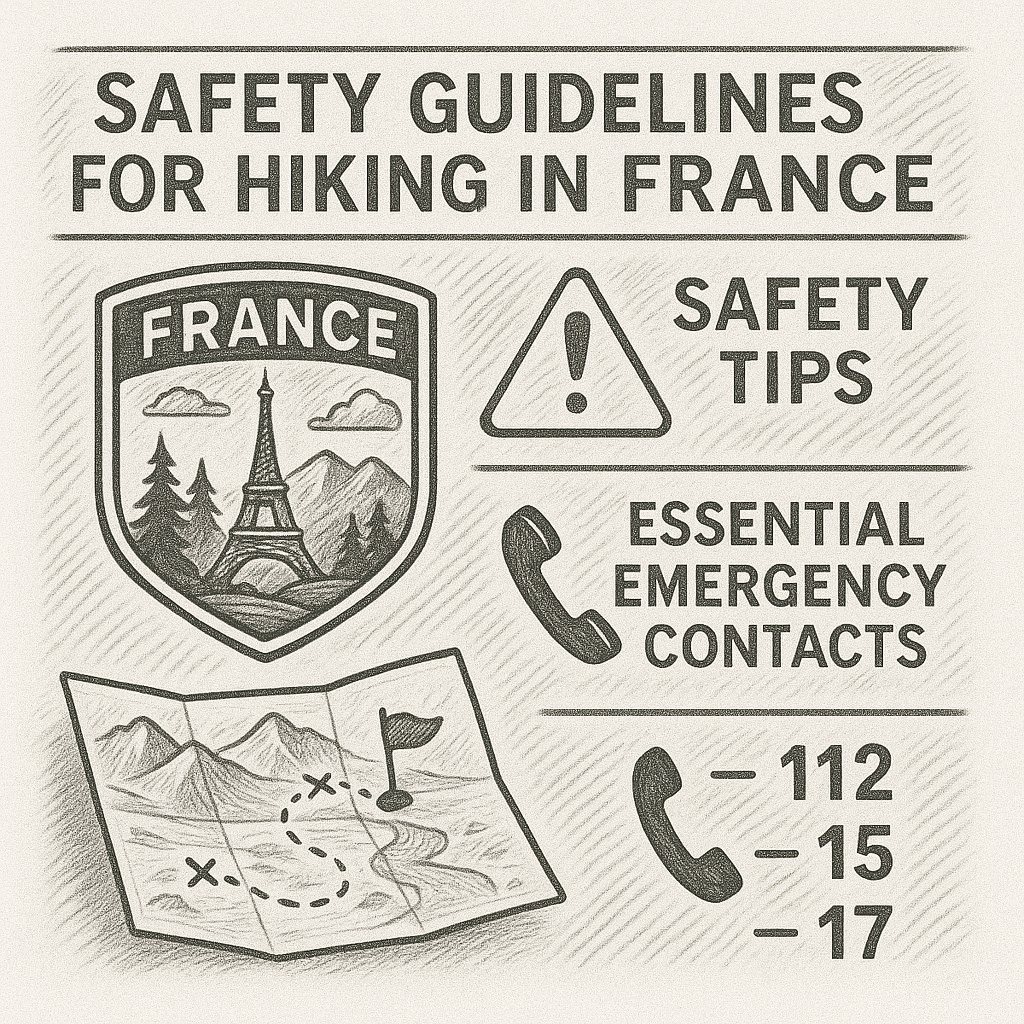
Safety Tips for Hiking in France and Essential Emergency Contacts
France offers exceptional hiking opportunities, but safety depends on preparation, awareness and knowing how to respond to emergencies.
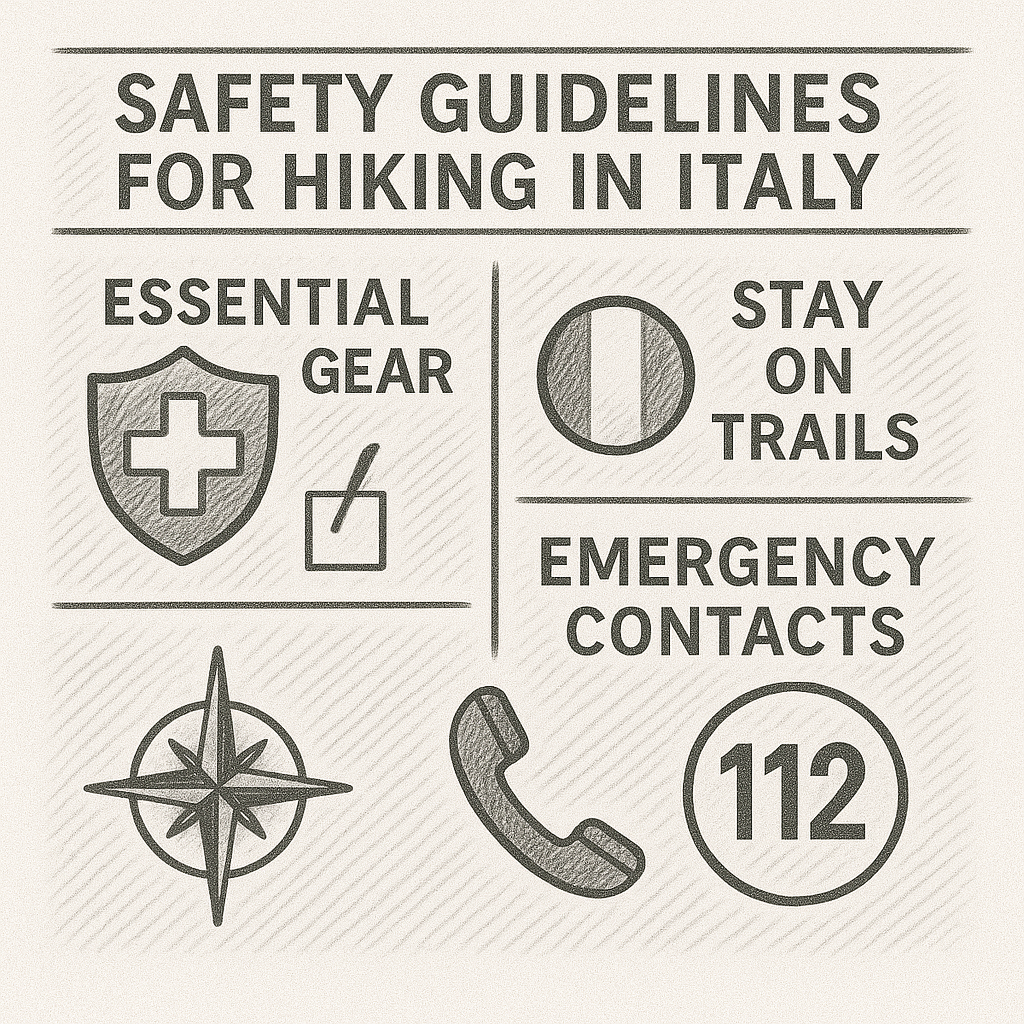
Safety Precautions for Hiking in Italy and Essential Emergency Contacts
Italy is one of Europe’s most rewarding destinations for hikers, but understanding local terrain, climatic differences and emergency systems is essential.
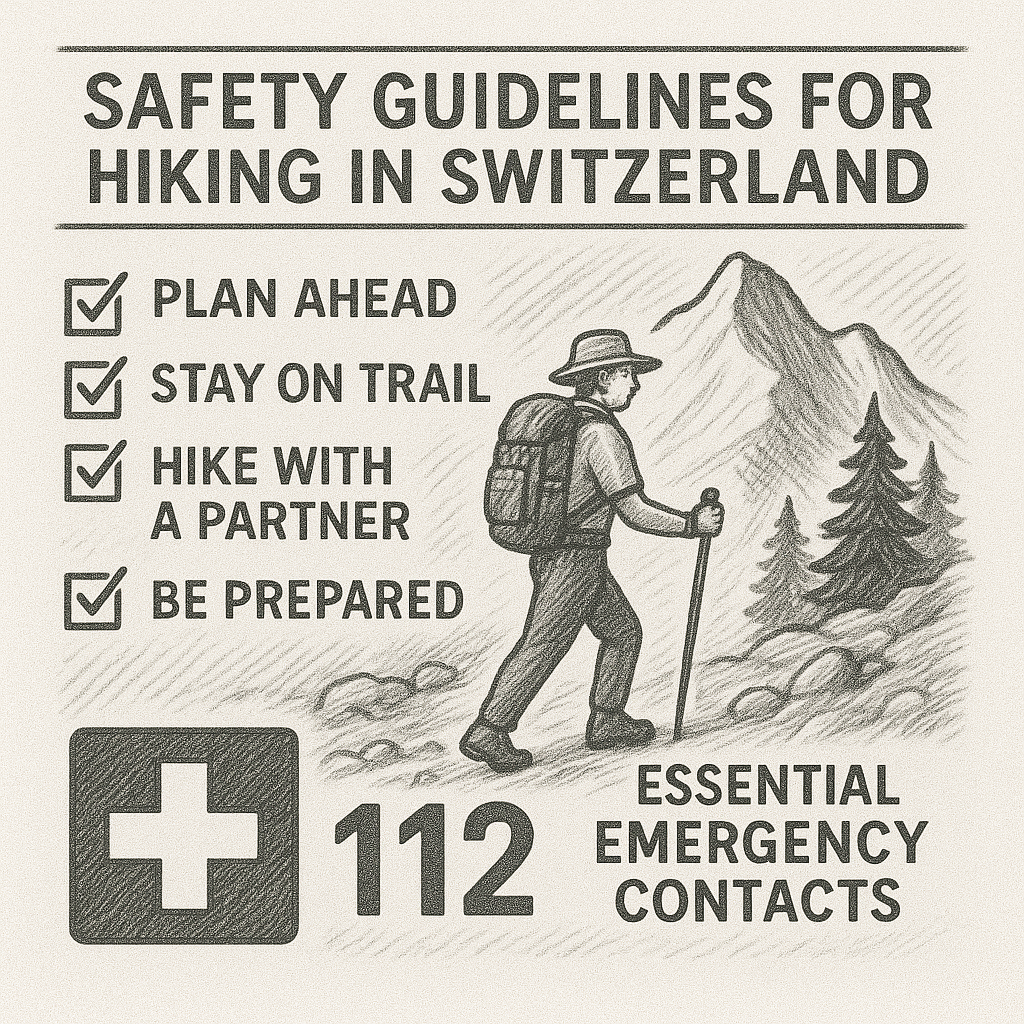
Safety Guidelines for Hiking in Switzerland and Essential Emergency Contacts
Switzerland offers some of the most spectacular and safest hiking environments in the world, but mountain safety still requires preparation, awareness and respect for natural conditions.
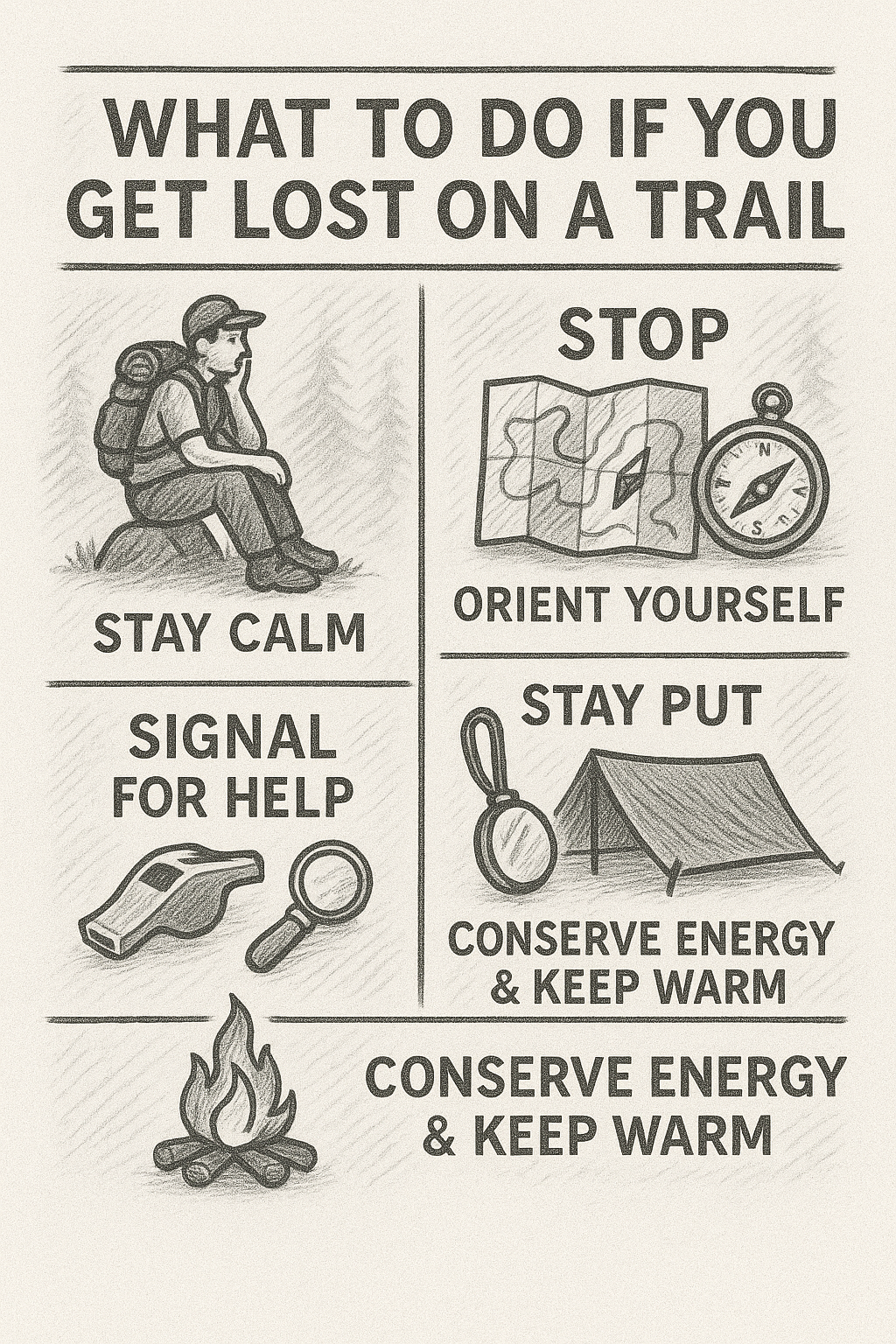
What to Do If You Get Lost on a Trail
By staying calm, following the S.T.O.P. method, using navigation tools effectively and knowing when to signal for help, you can turn a potentially dangerous situation into a manageable one. Preparation, awareness and the right equipment are your strongest allies. With these skills, the mountains remain a place of exploration, not fear.
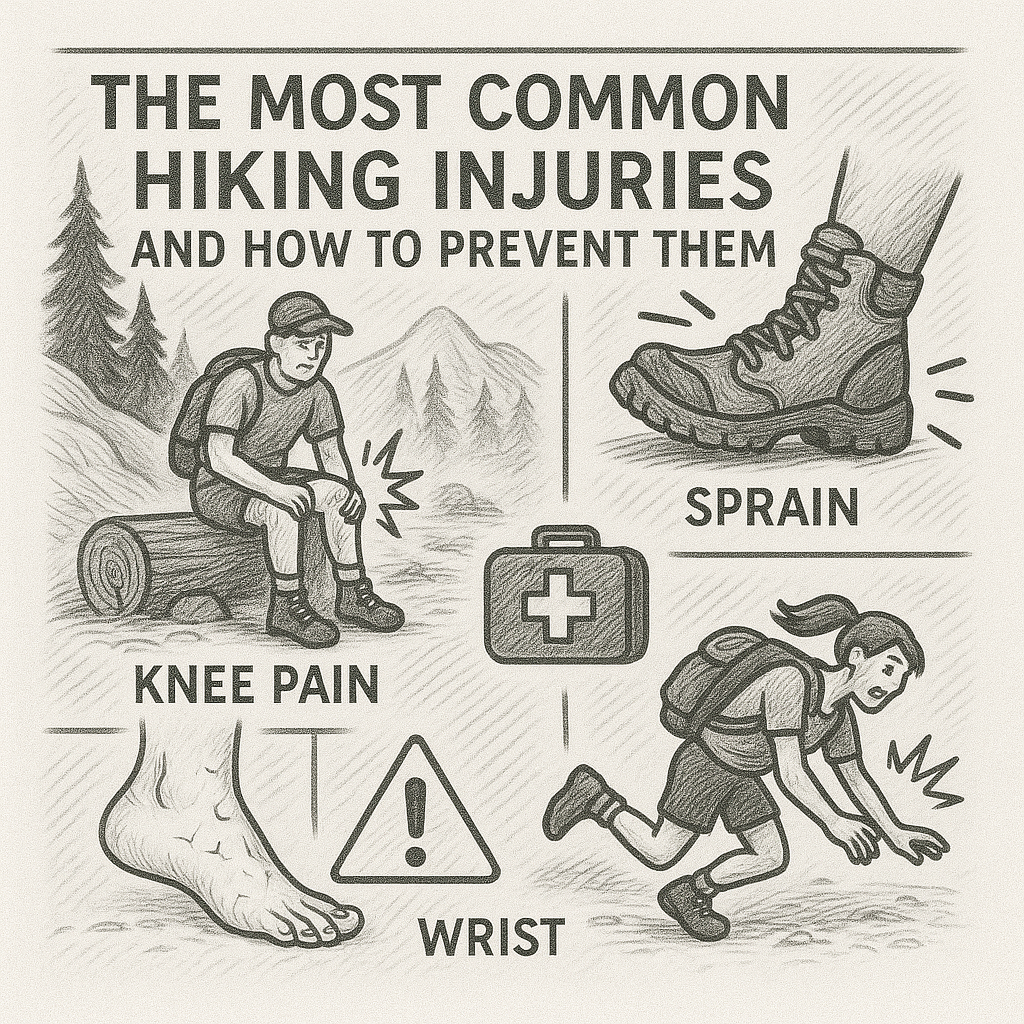
The Most Common Hiking Injuries and How to Prevent Them
By preparing properly and acting early at the first sign of discomfort, hikers can avoid minor issues growing into major problems. With the right habits and gear, the mountains become a safer and more enjoyable place to explore.
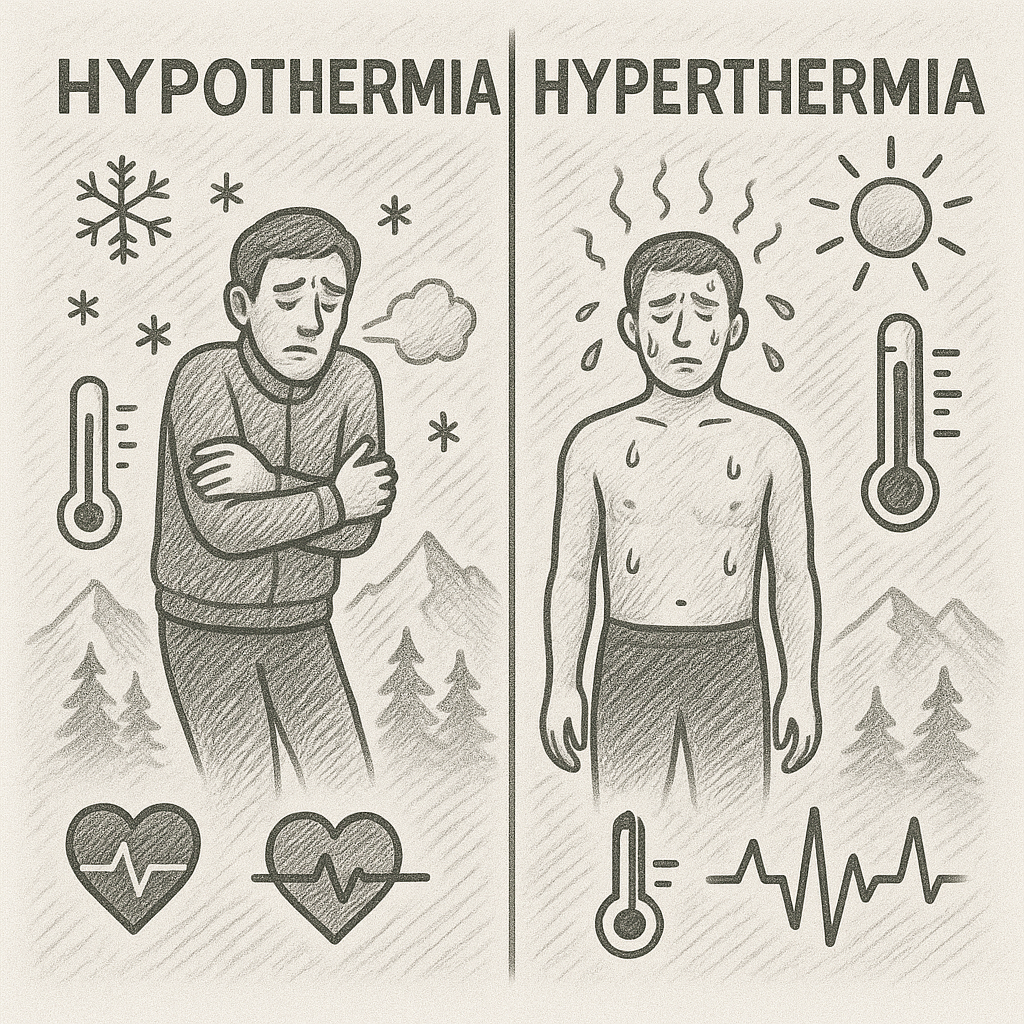
Identifying Hypothermia and Hyperthermia in the Mountains
By learning the early signs, understanding effective first-response actions and carrying the right equipment, hikers can significantly reduce the risk of severe complications. Preparedness and awareness allow you to enjoy the mountains safely throughout the year, regardless of weather conditions.
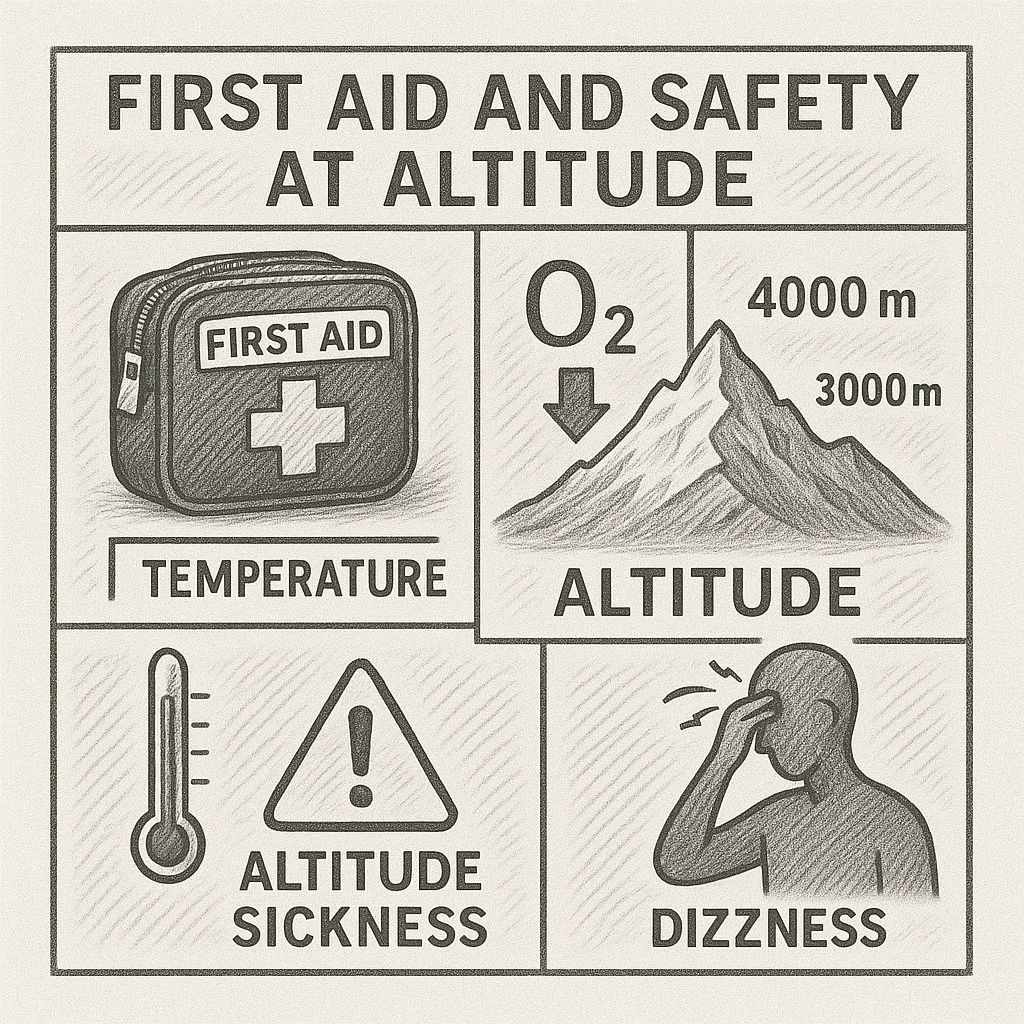
First Aid and Safety at Altitude
With proper acclimatisation, hydration, nutrition and equipment, hikers can enjoy mountain regions safely and confidently. The key to altitude safety is simple: listen to your body, proceed gradually and prioritise well-being over reaching a summit.
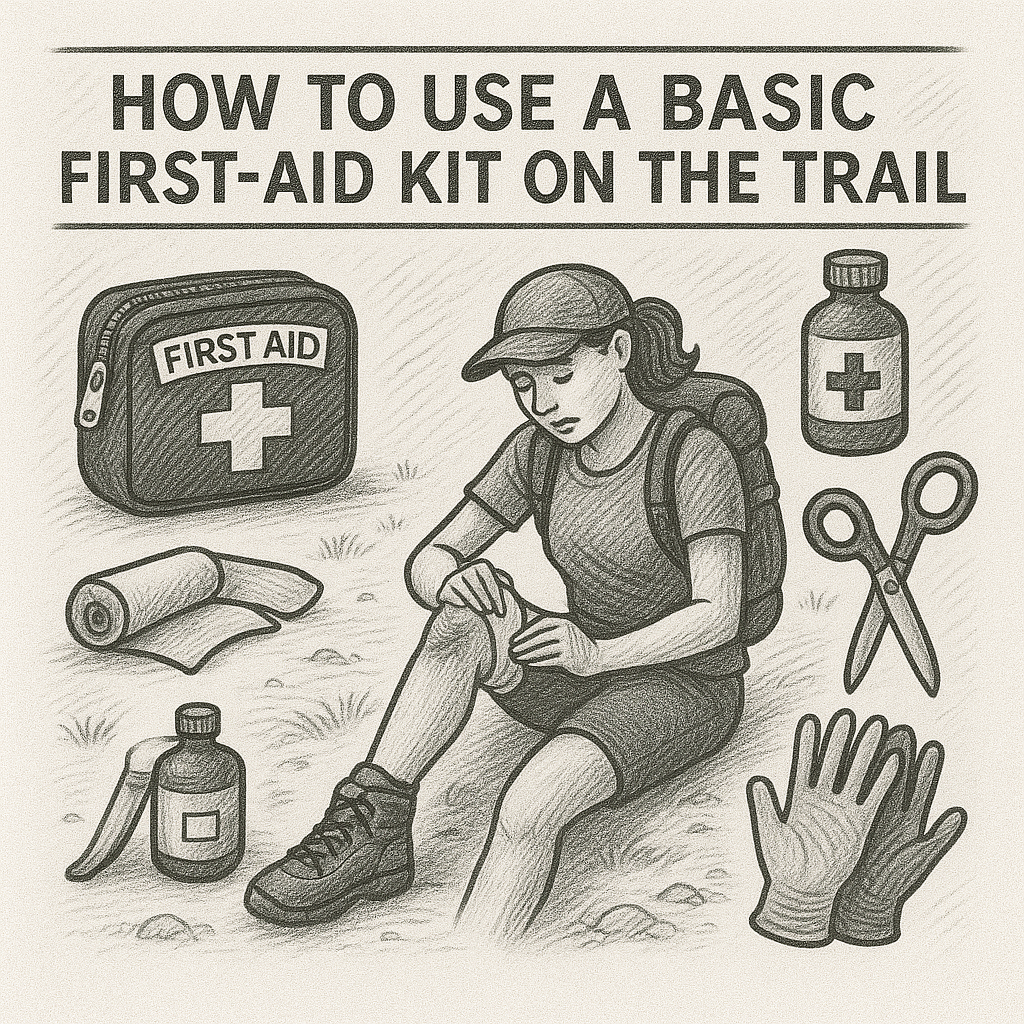
How to Use a Basic First-Aid Kit on the Trail
With proper preparation and knowledge, hikers can respond confidently to unexpected situations and continue exploring the mountains safely.
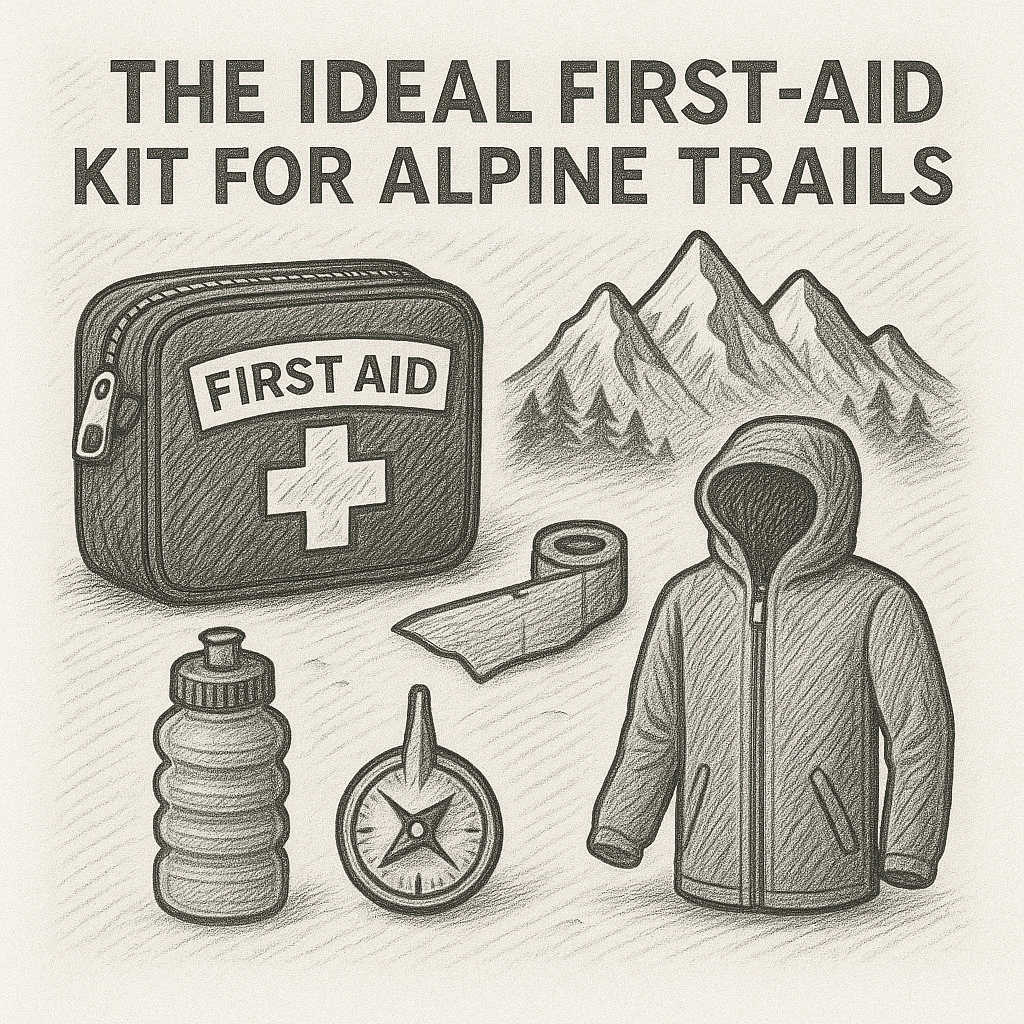
The Ideal First-Aid Kit for Alpine Trails
Combined with knowledge, awareness and good preparation, your first-aid kit becomes a powerful tool for safe and enjoyable mountain adventures.
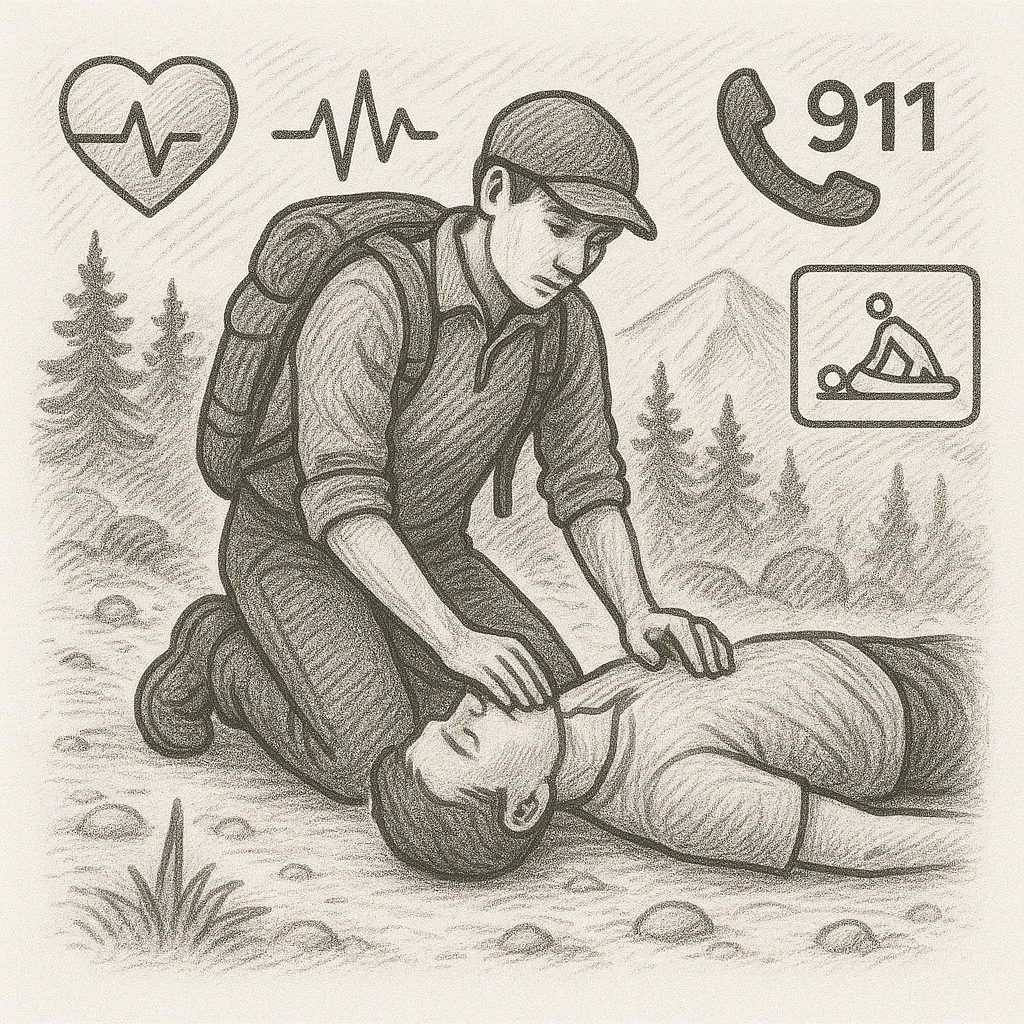
What to Do When Someone Becomes Unconscious on the Trail
Preparation, knowledge and the right equipment allow you to respond confidently even in remote areas. With these skills, you become not only a safer hiker but also a valuable resource for others on the trail.
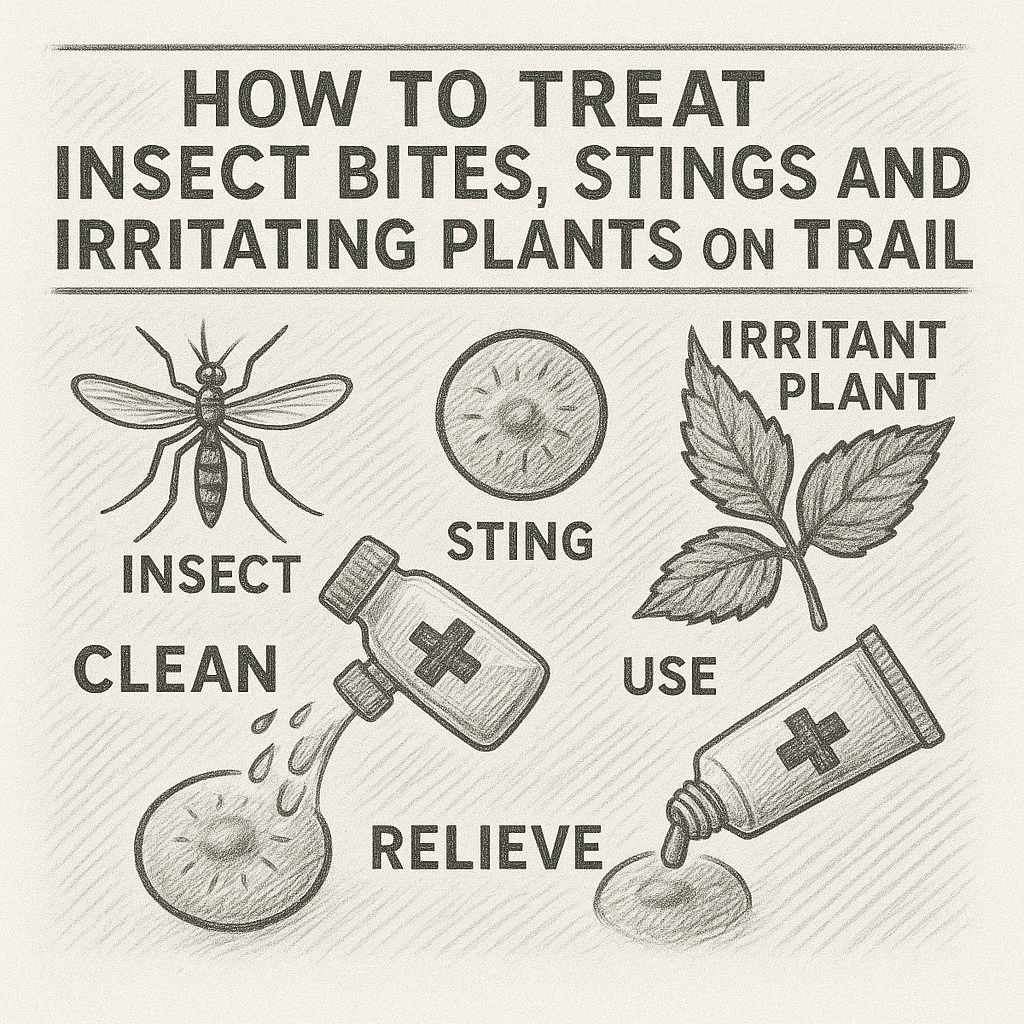
How to Treat Insect Bites, Stings and Irritating Plants on the Trail
Staying calm, recognising symptoms accurately and carrying the right items in your first-aid kit ensures you remain safe and comfortable throughout your mountain adventure.