
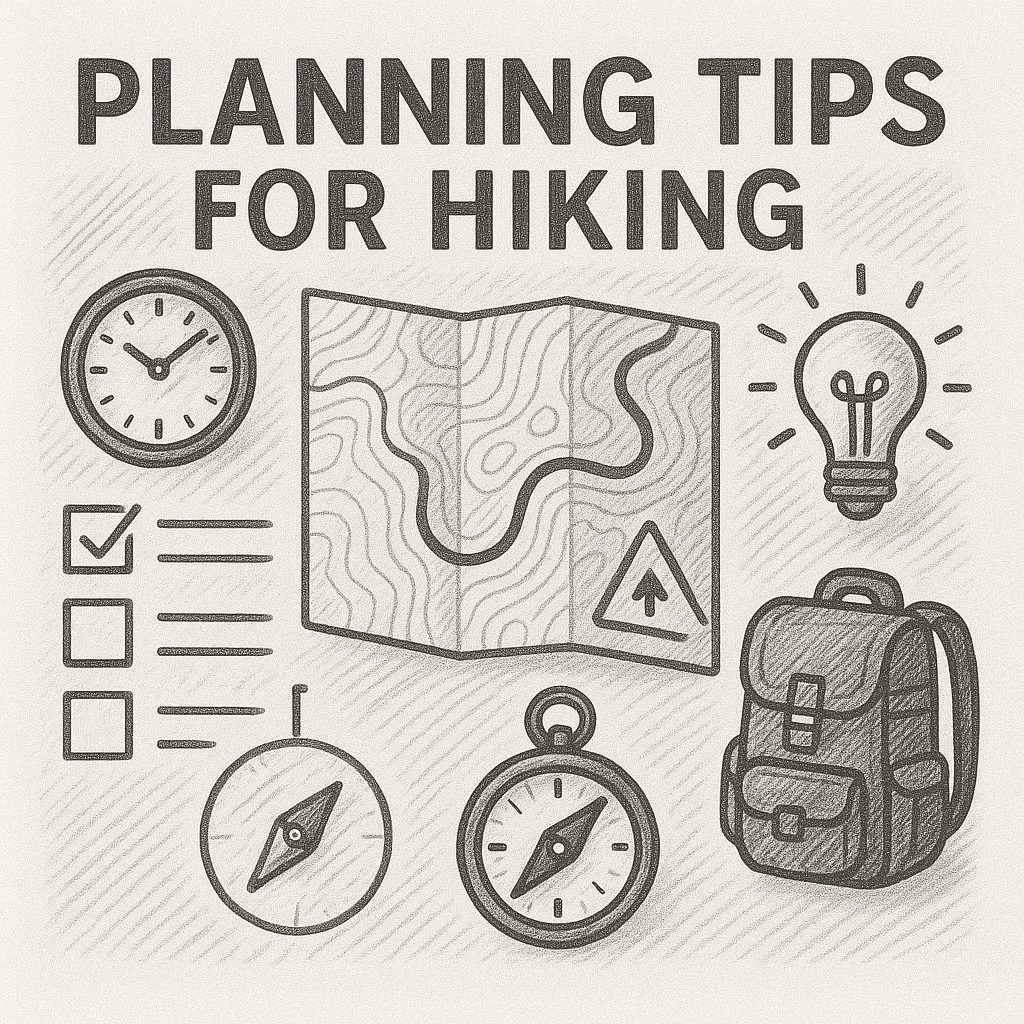
Planning Tips for Hiking
Planning does not remove adventure—it enables it. The better prepared you are, the more confidently you can adapt when conditions change.
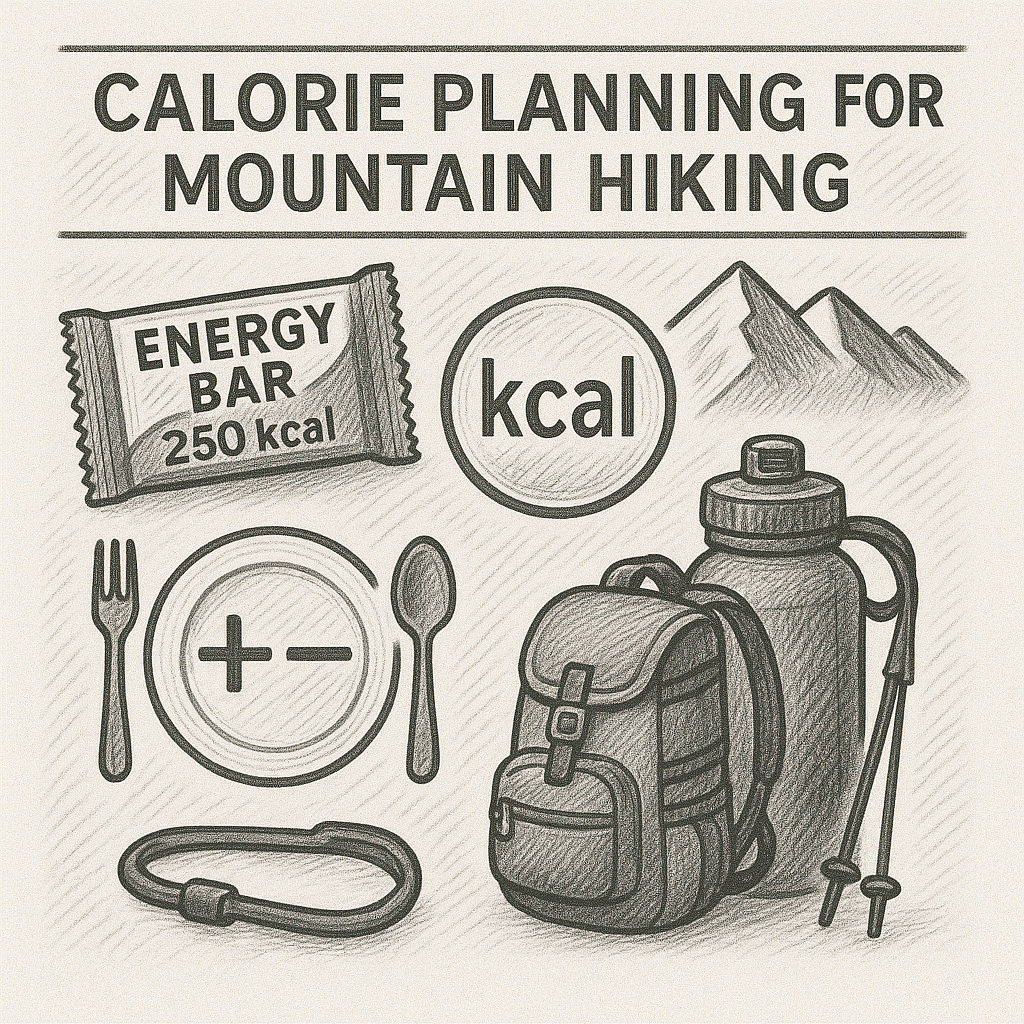
Calorie Planning for Mountain Hiking
Calorie planning is a fundamental component of mountain hiking preparation. Adequate energy intake supports physical performance, cognitive clarity, and resilience in demanding environments.
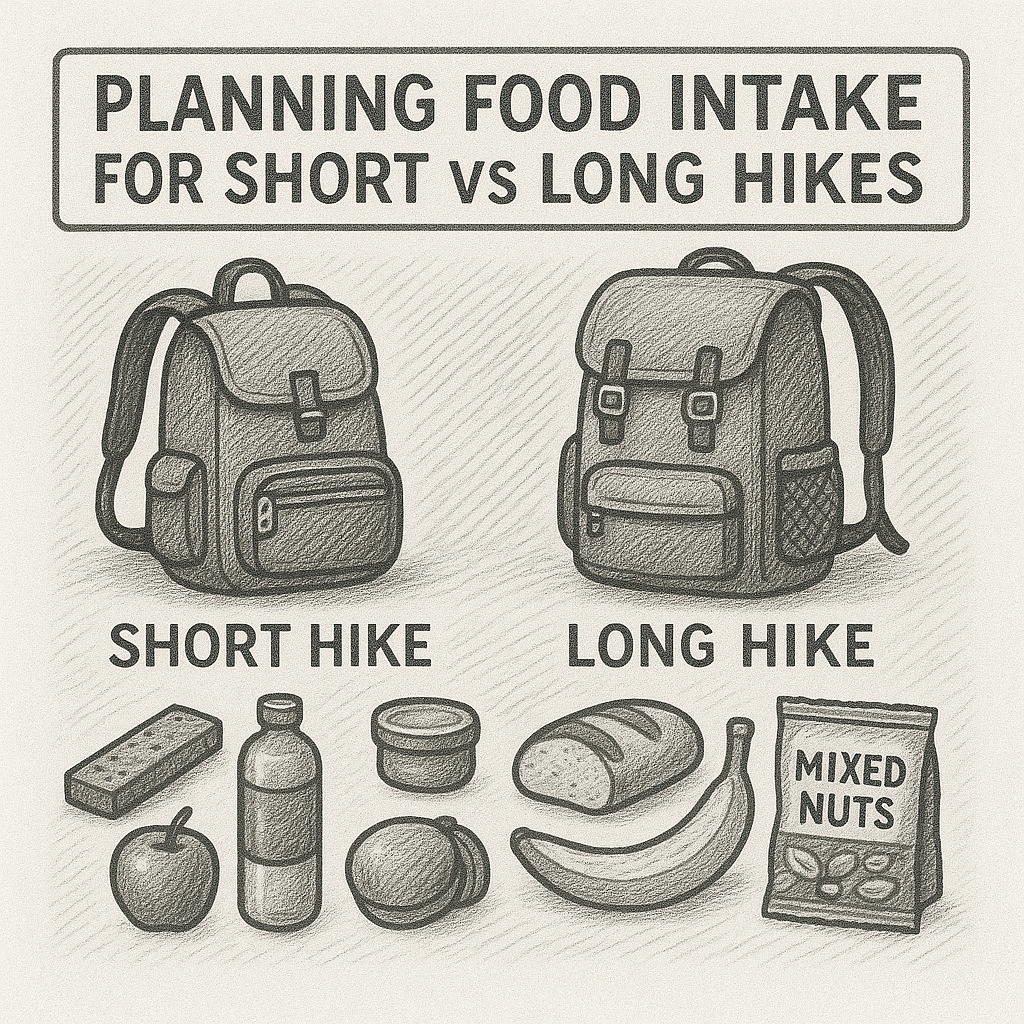
Planning Food Intake for Short vs Long Hikes
Food planning should be proportional to the hike. Short hikes require simplicity, while long hikes demand structure and consistency.
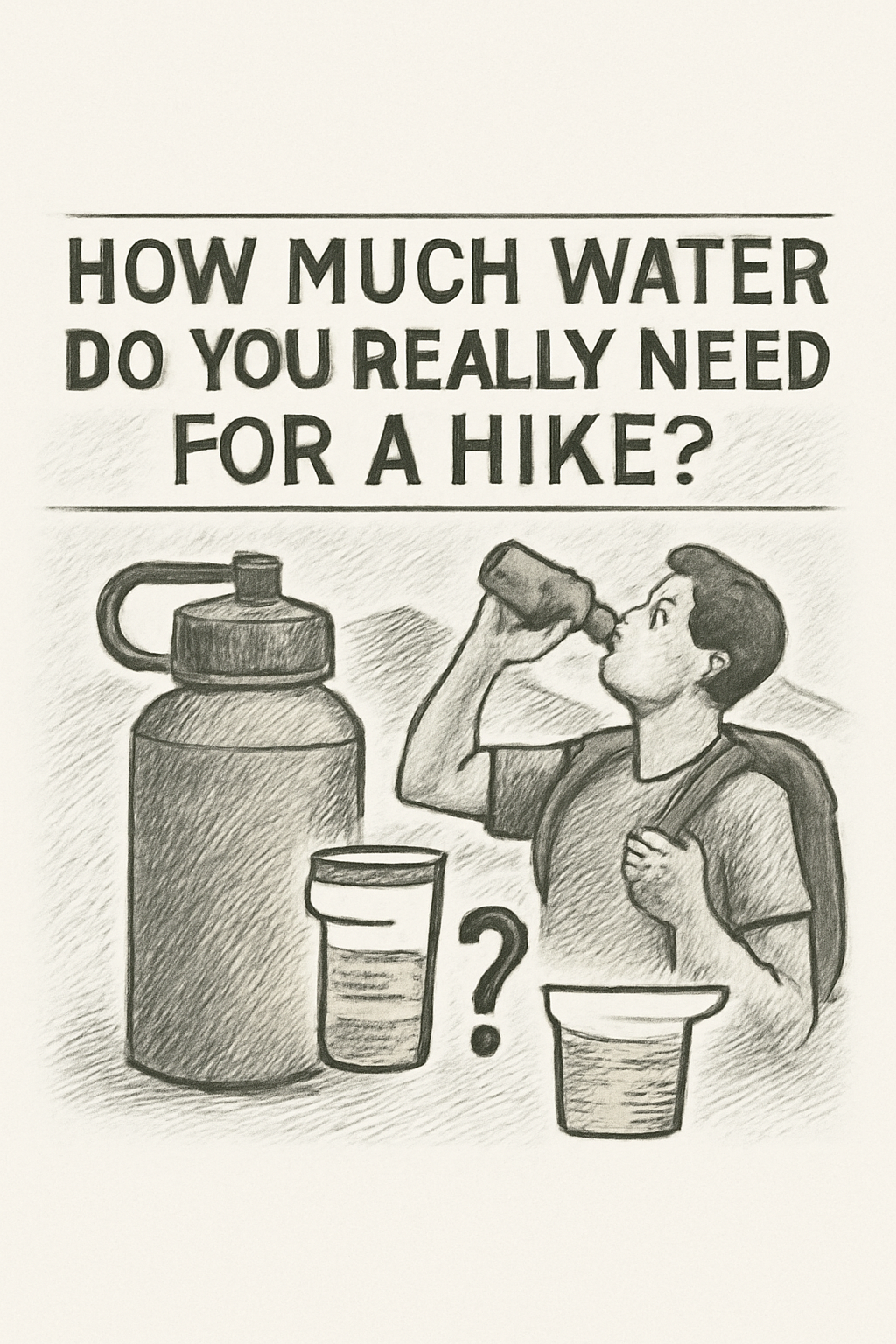
How Much Water Do You Really Need for a Hike?
Water planning is a balance between efficiency and safety. While carrying excess water adds weight, insufficient hydration carries far greater risks.
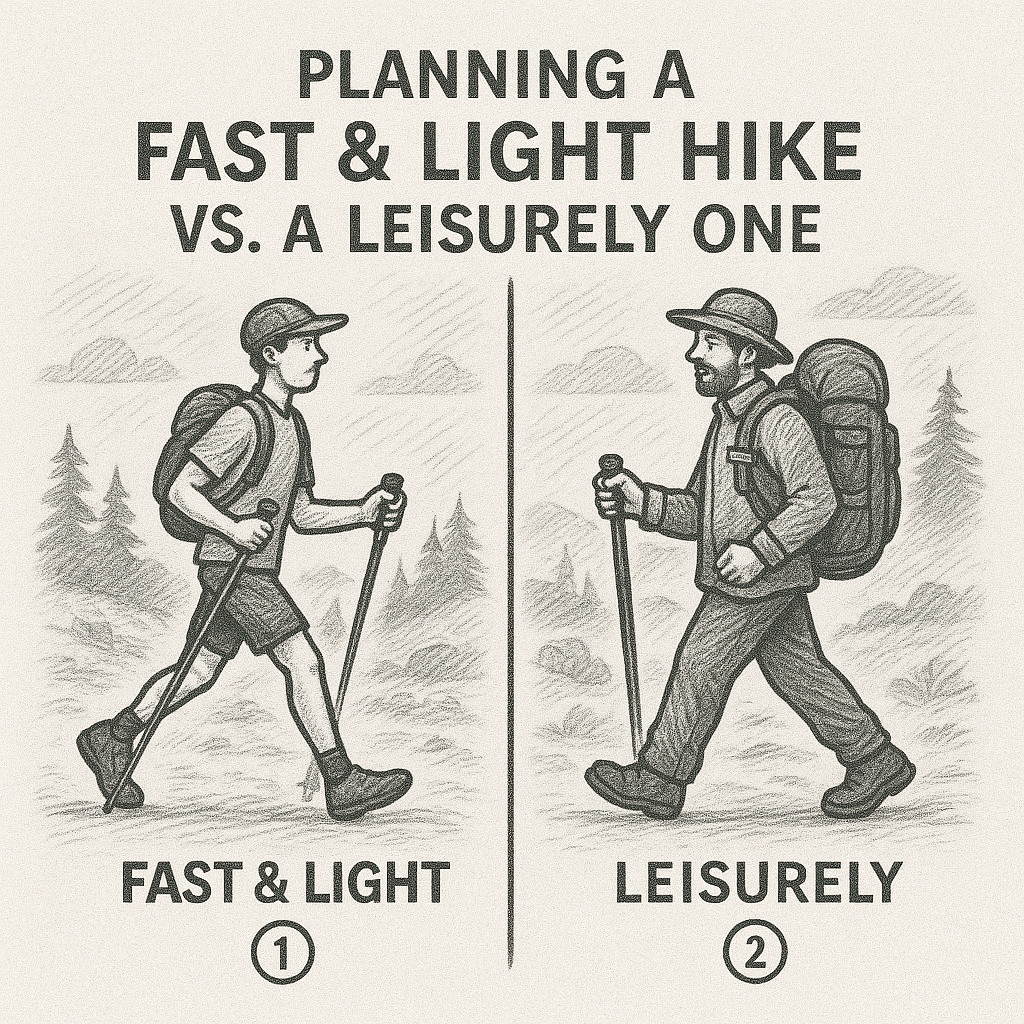
Planning a Fast & Light Hike vs a Leisurely One
Fast & light and leisurely hiking are both valid and rewarding approaches. The key to success lies in aligning planning, equipment, and expectations with the chosen style.
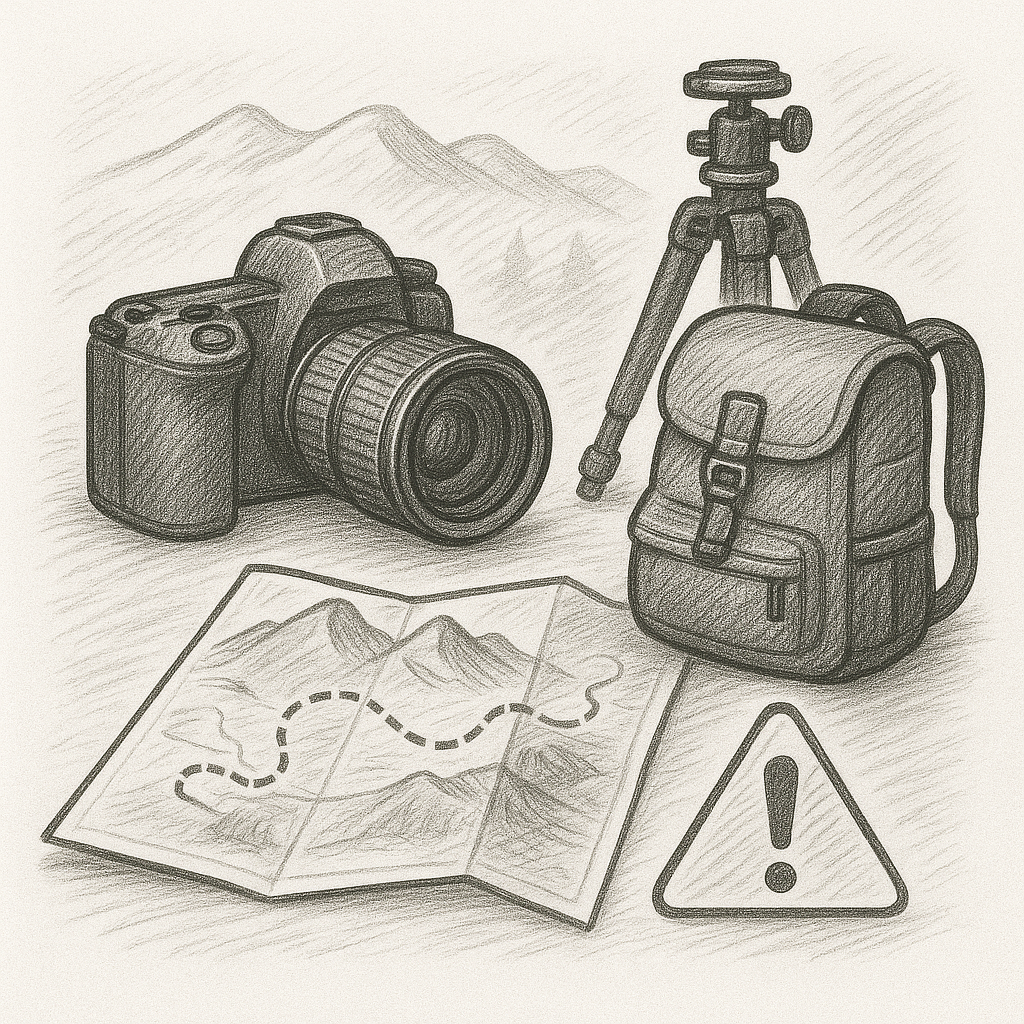
Planning a Hike for Photography Purposes
Photography-focused hikes reward patience, preparation, and awareness. By planning around light, terrain, and safety, photographers can fully engage with the environment while capturing meaningful images.
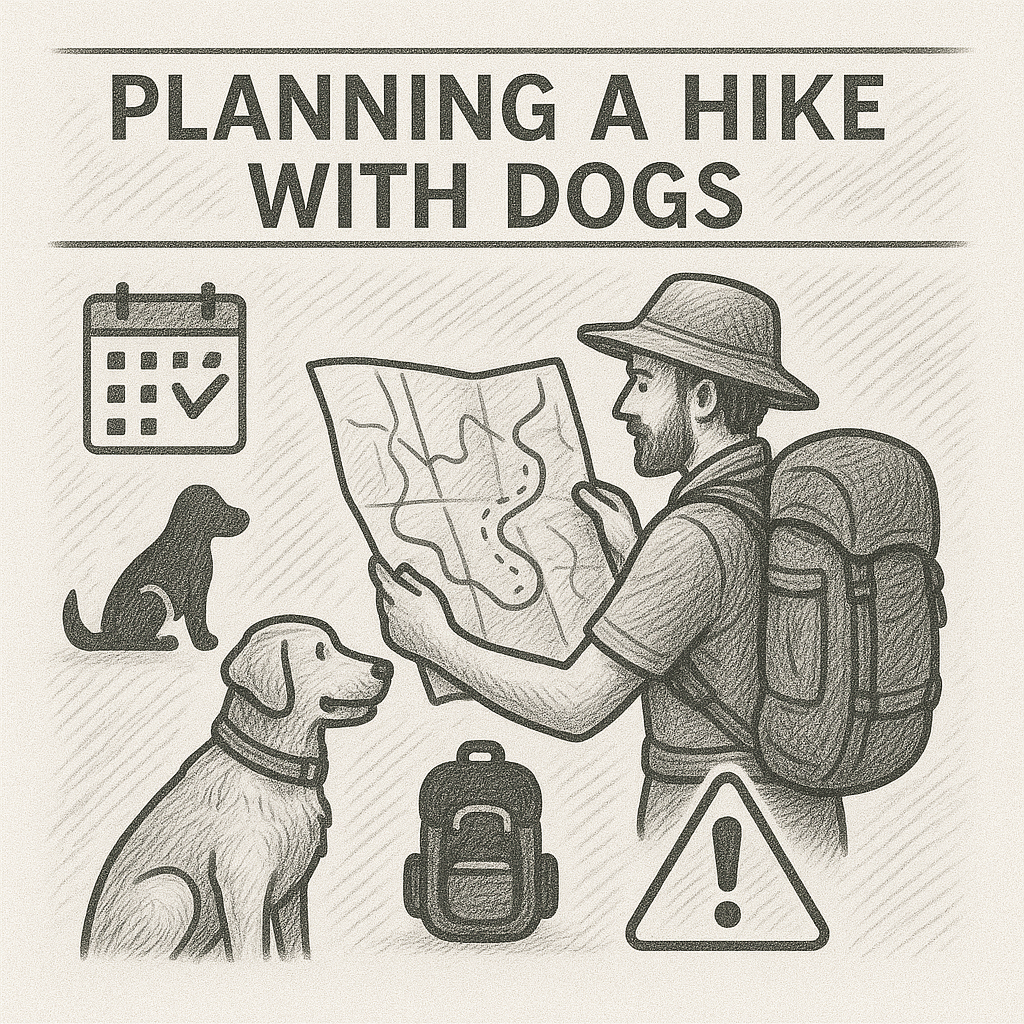
Planning a Hike with Dogs
Hiking with dogs requires empathy, observation, and conservative decision-making. The goal is not to push distance or difficulty, but to ensure shared enjoyment and safety.
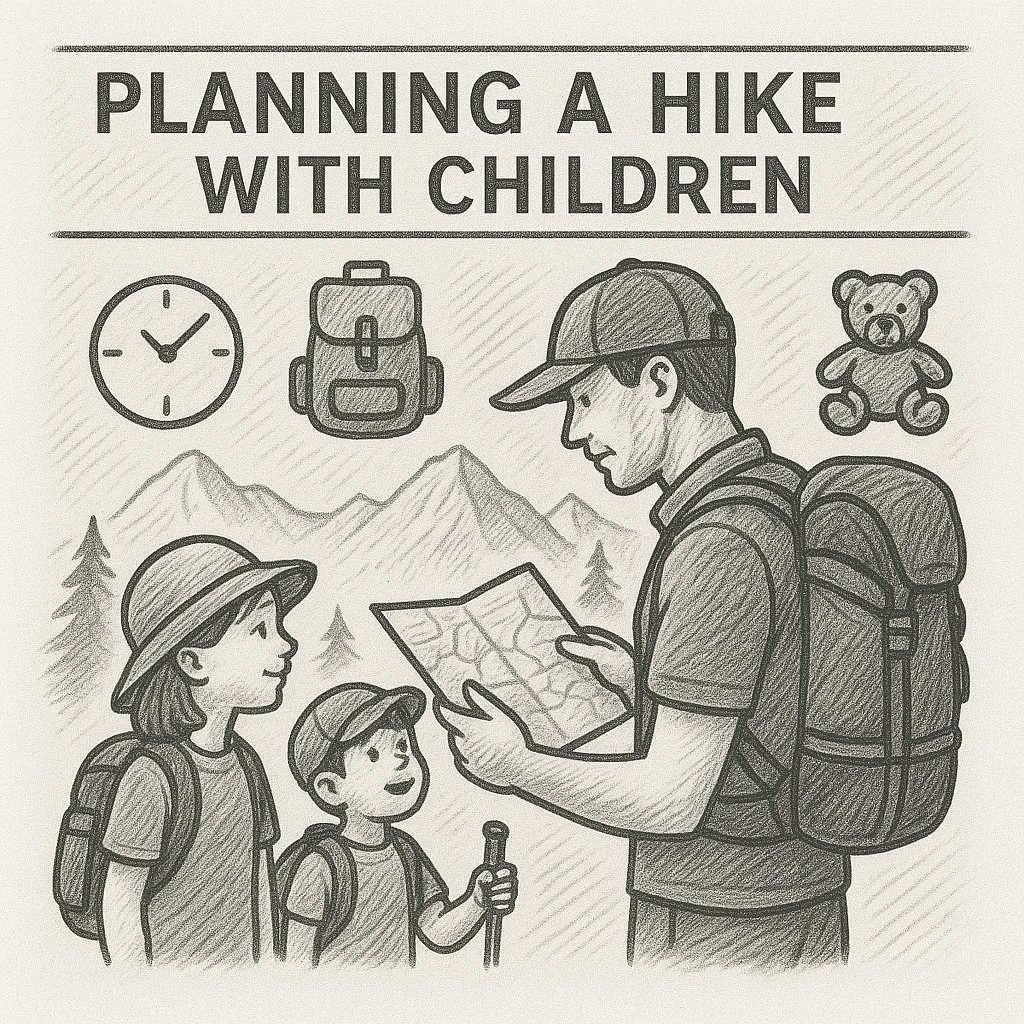
Planning a Hike with Children
Hiking with children is about shared experience, not achievement. A successful hike may be measured in smiles, curiosity, and willingness to return—not kilometers covered.
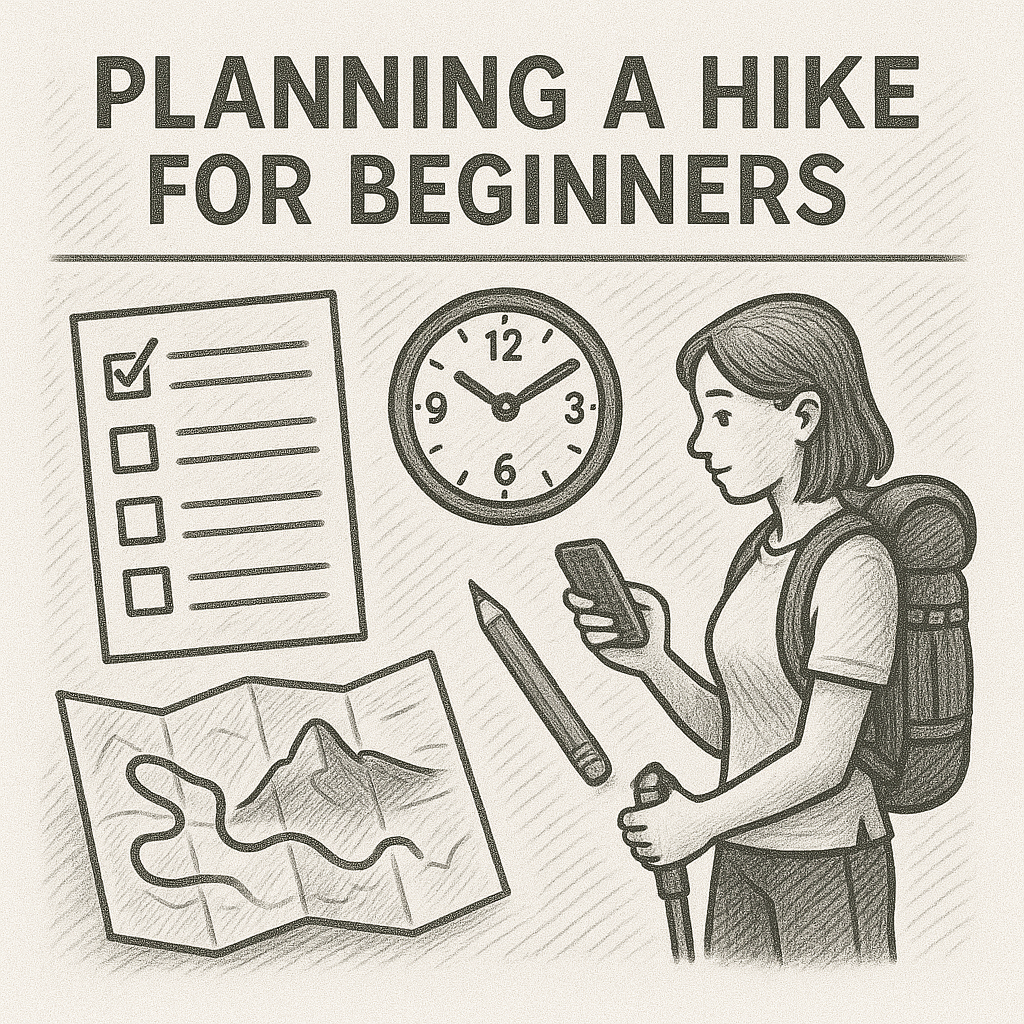
Planning a Hike for Beginners
Planning hikes for beginners is about creating positive foundations. The goal is not to challenge limits, but to build comfort, awareness, and enjoyment.
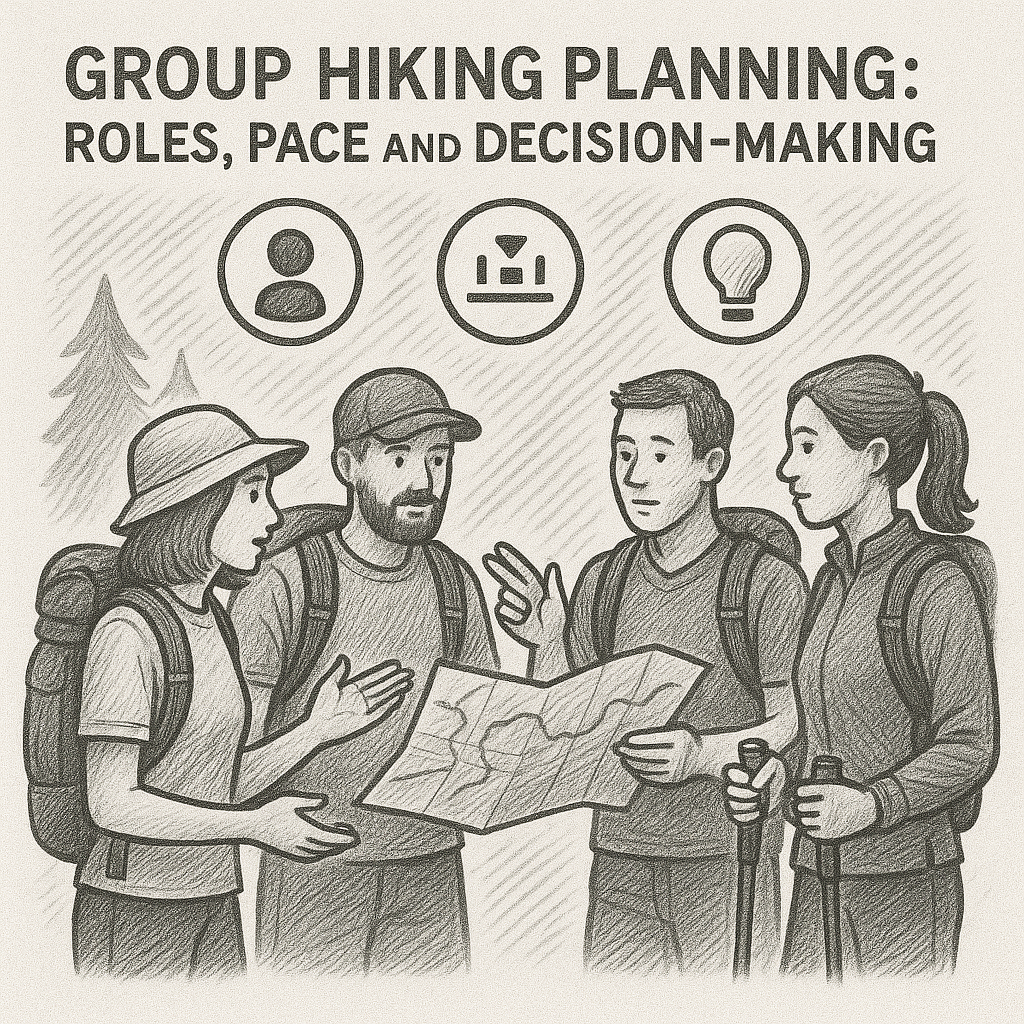
Group Hiking Planning: Roles, Pace and Decision-Making
Successful group hiking depends on structure, communication, and mutual respect. Clear planning transforms diverse abilities into a cohesive and safe experience.
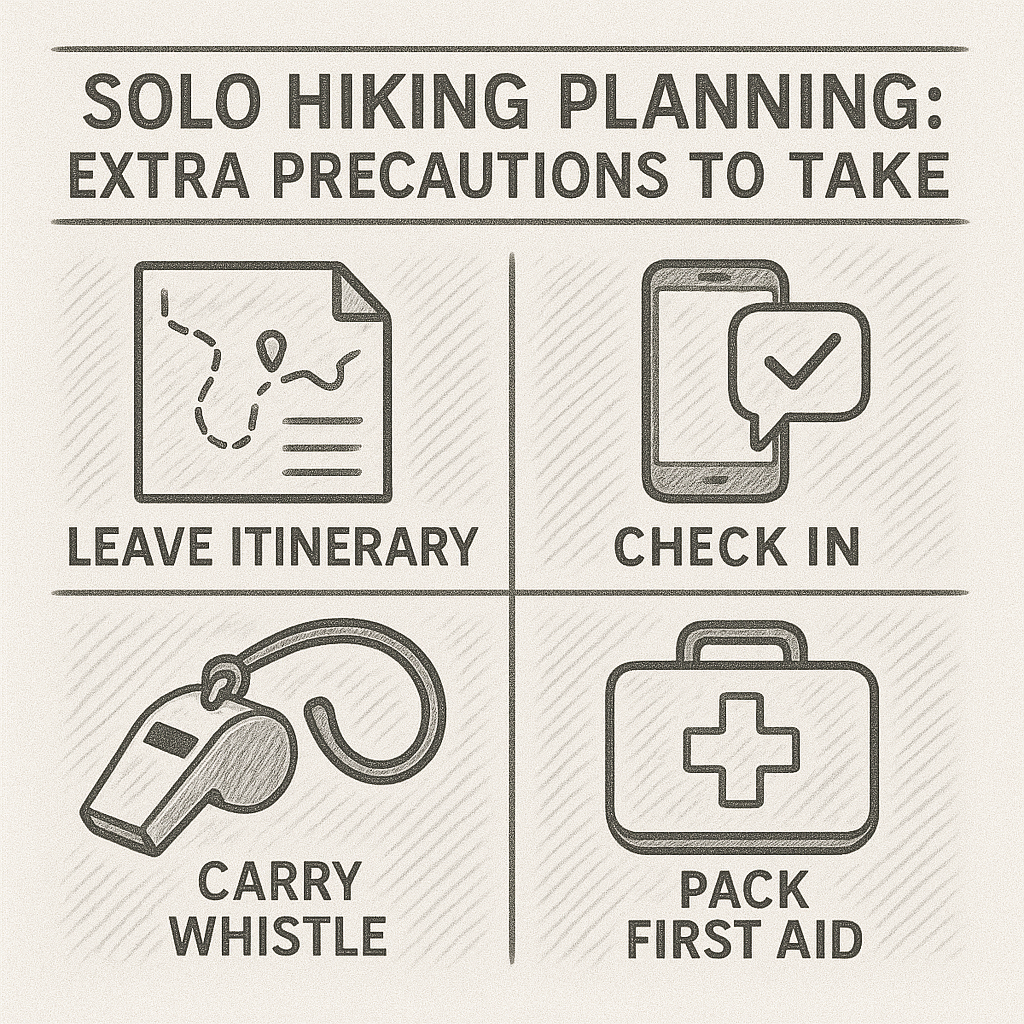
Solo Hiking Planning: Extra Precautions to Take
Solo hiking is not about proving independence—it is about exercising responsibility. The most experienced solo hikers are those who know when to turn back and when to stay within conservative limits.
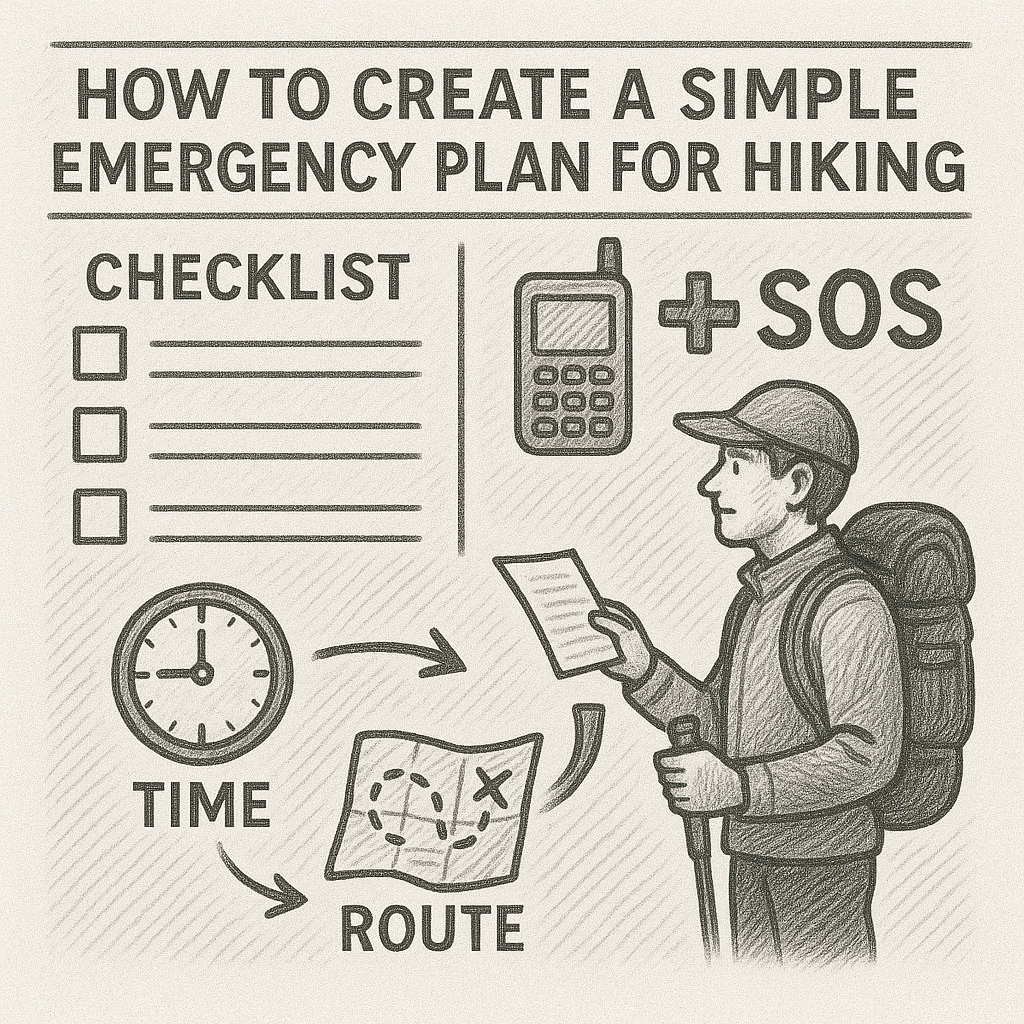
How to Create a Simple Emergency Plan for Hiking
A simple emergency plan does not require complex procedures or specialized training. It requires awareness, preparation, and clarity.
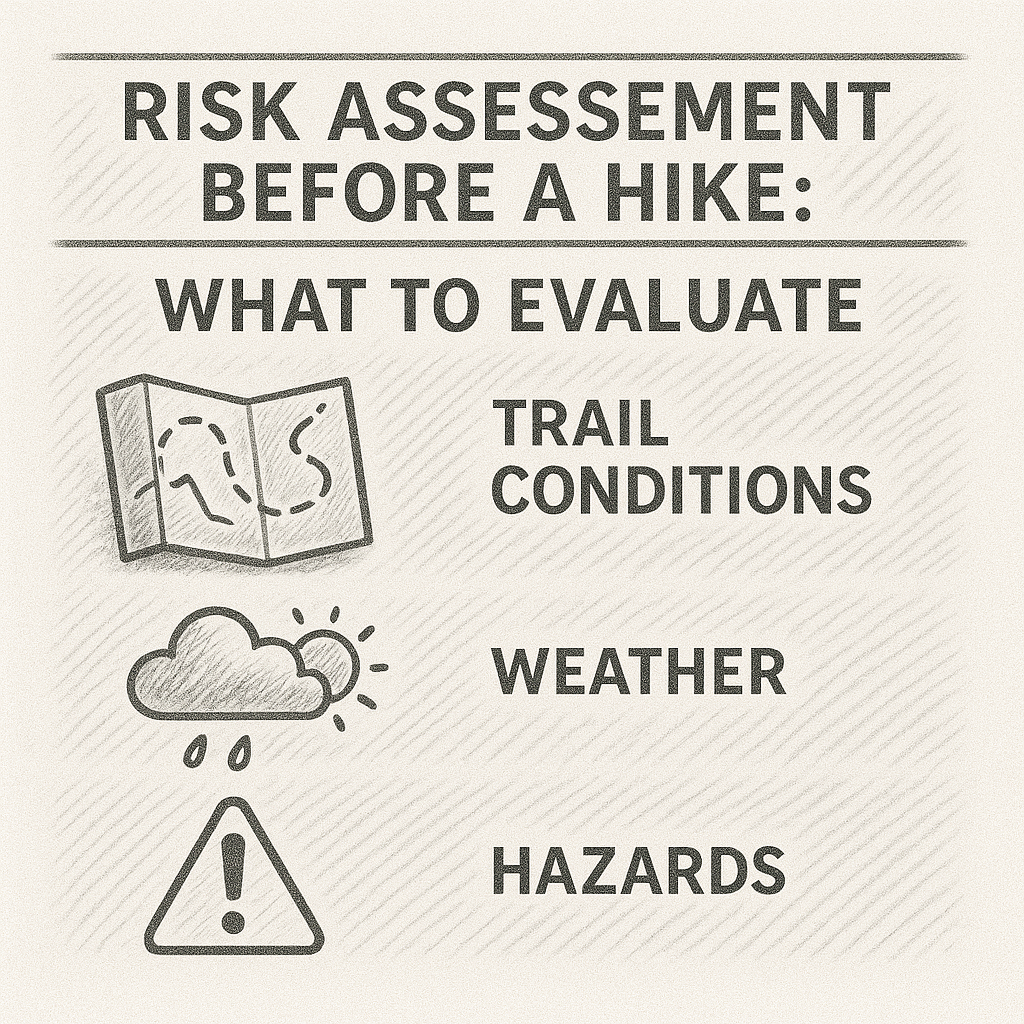
Risk Assessment Before a Hike: What to Evaluate
Risk assessment is not about fear; it is about awareness. By systematically evaluating terrain, weather, human factors, and logistics, hikers gain control over uncertainty.
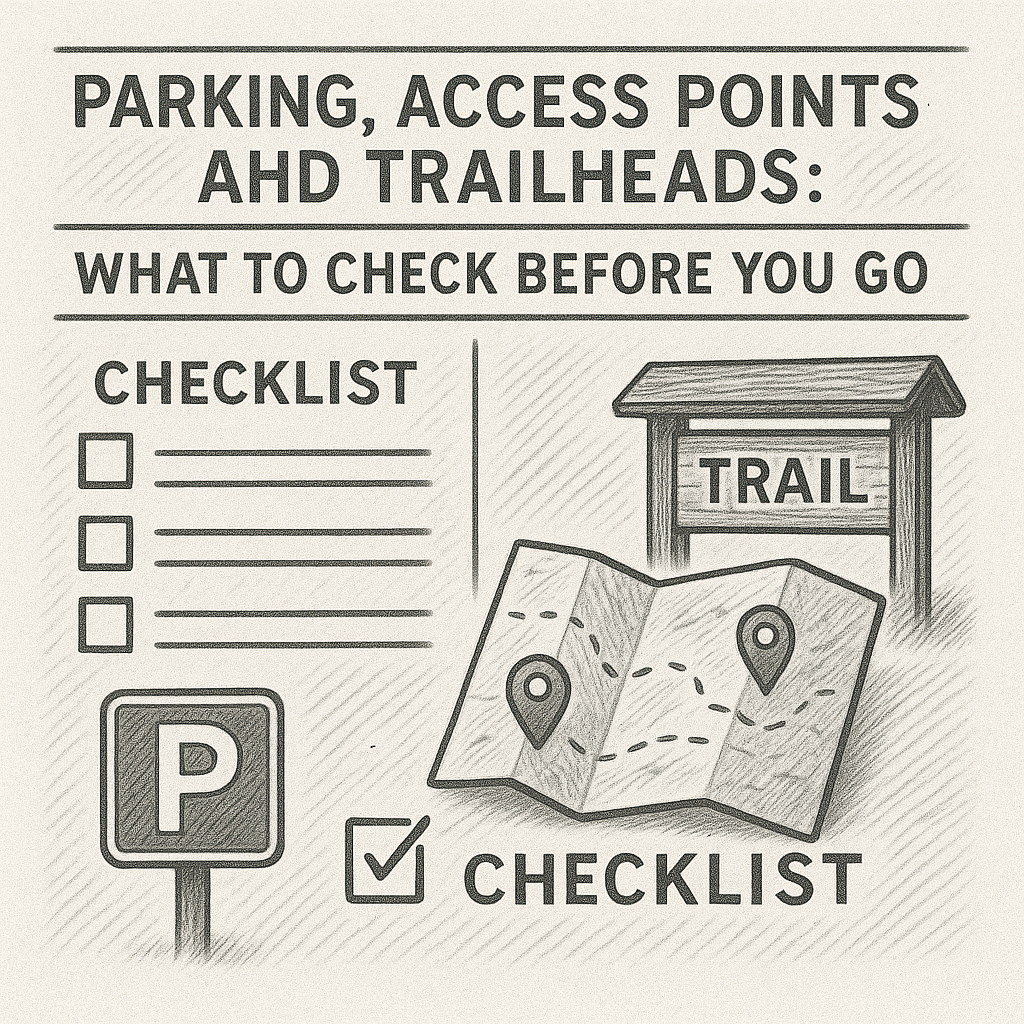
Parking, Access Points and Trailheads: What to Check Before You Go
Efficient access planning sets the tone for the entire hike. A smooth start reduces stress and allows you to focus on the trail itself.
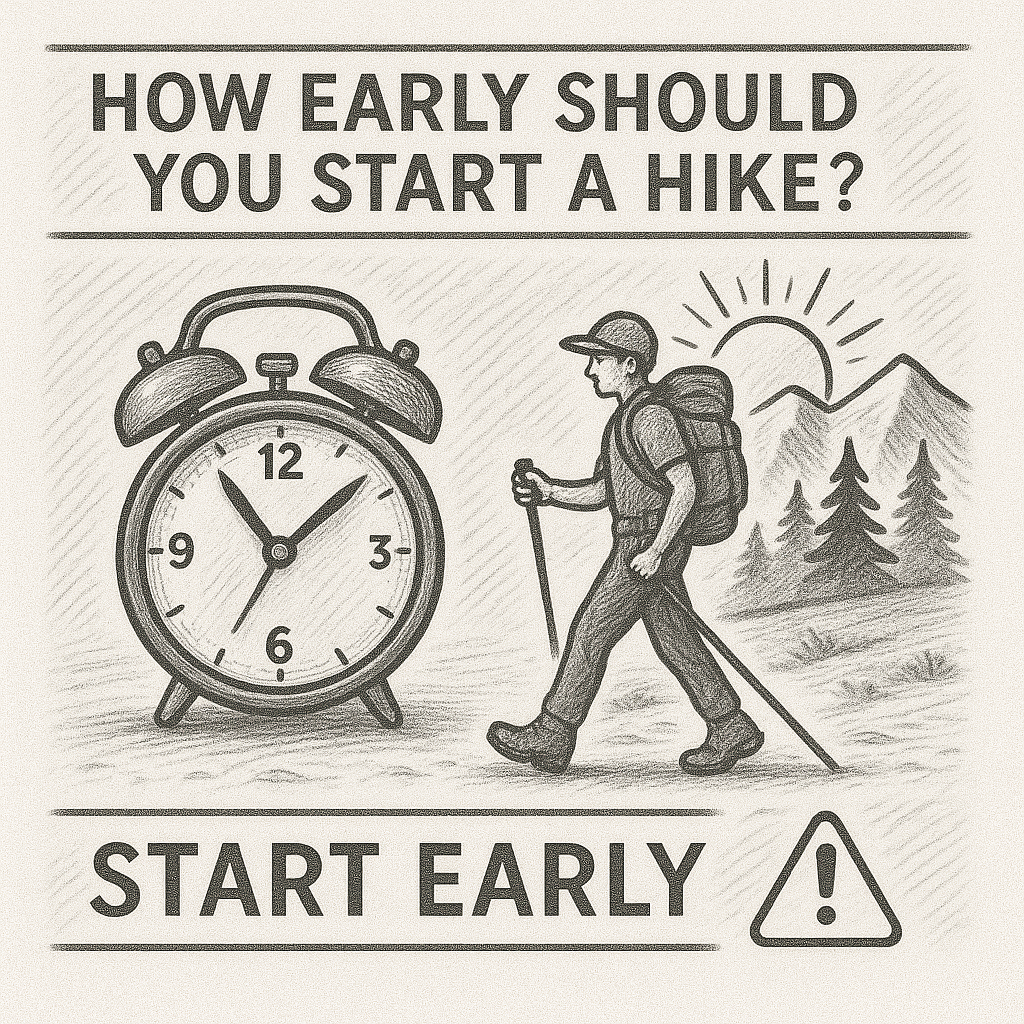
How Early Should You Start a Hike?
An early start is one of the simplest and most effective risk-management tools in hiking. It increases flexibility, improves safety, and reduces time pressure throughout the day.
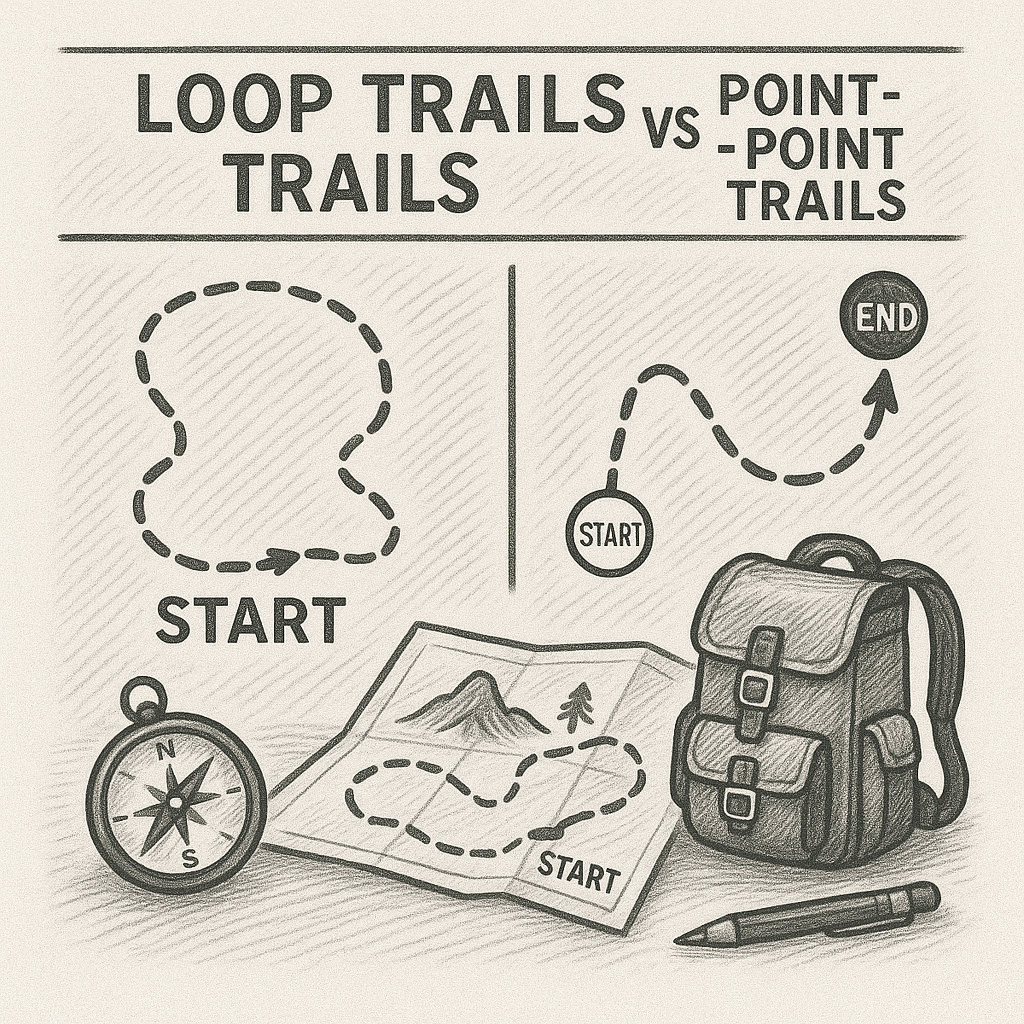
Loop Trails vs Point-to-Point Trails: Planning Differences
Loop and point-to-point trails are equally valid hiking formats, but they demand different planning strategies. Understanding these differences helps hikers manage risk, logistics, and expectations more effectively.
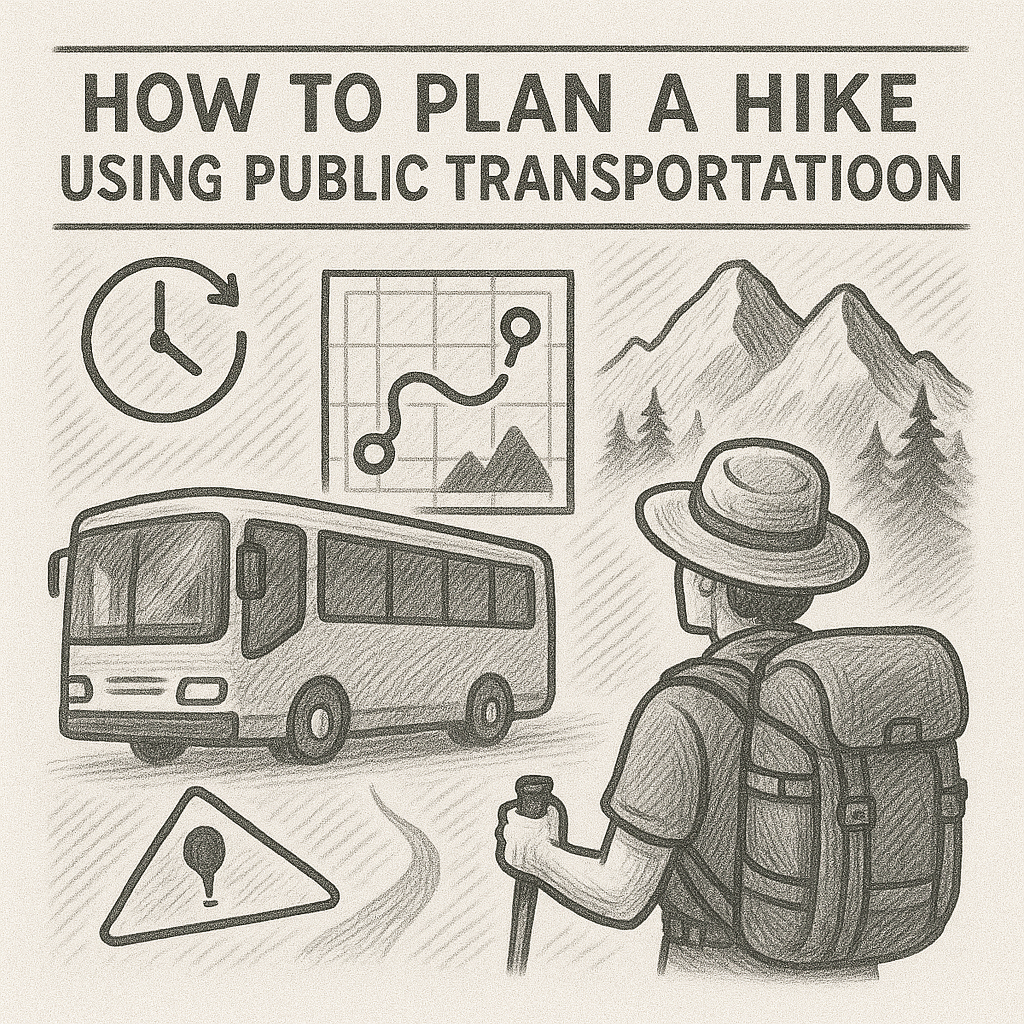
How to Plan a Hike Using Public Transportation
Public transportation can significantly expand hiking opportunities, but only when integrated into the planning process from the start. A well-planned transport strategy transforms fixed schedules into a reliable framework for exploration.
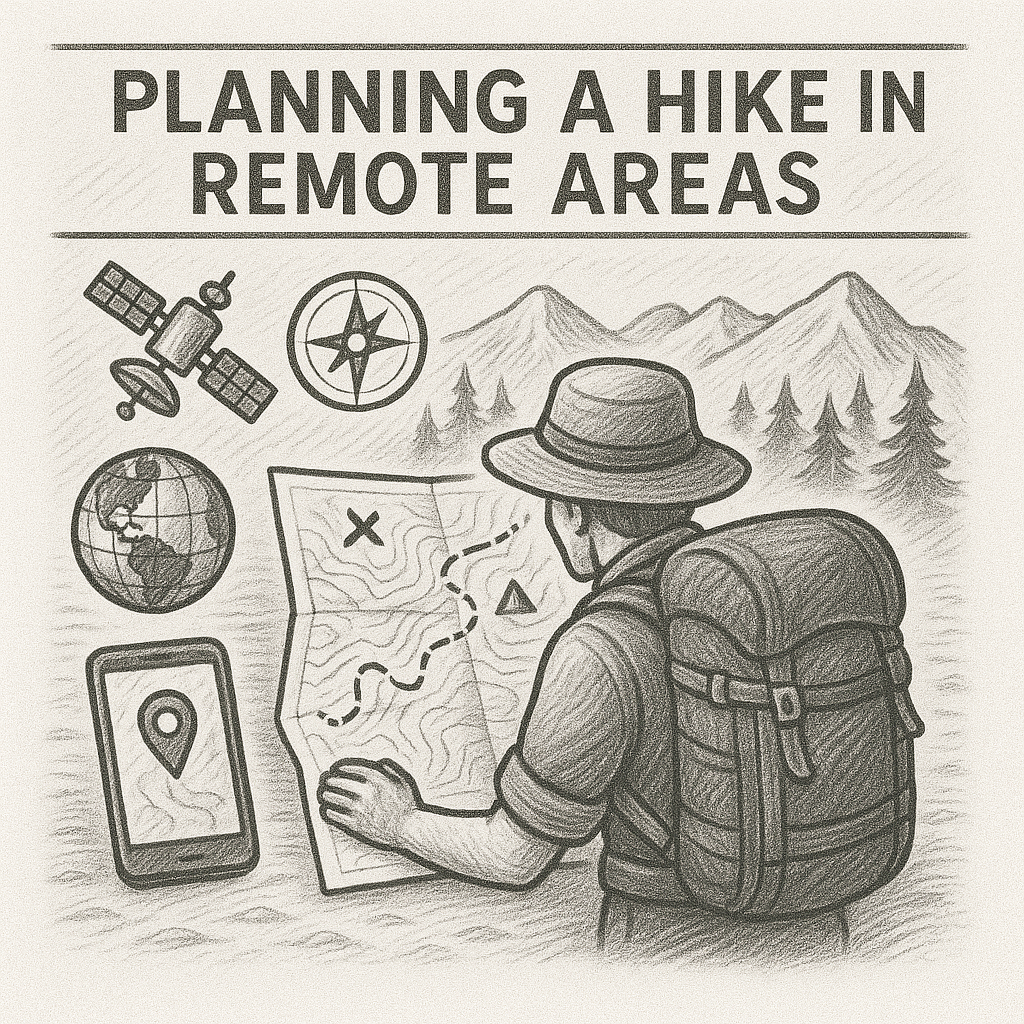
Planning a Hike in Remote Areas
Remote hiking is deeply rewarding but demands respect, discipline, and preparation. The goal is not to eliminate risk, but to manage it intelligently through thorough planning and conservative decision-making.
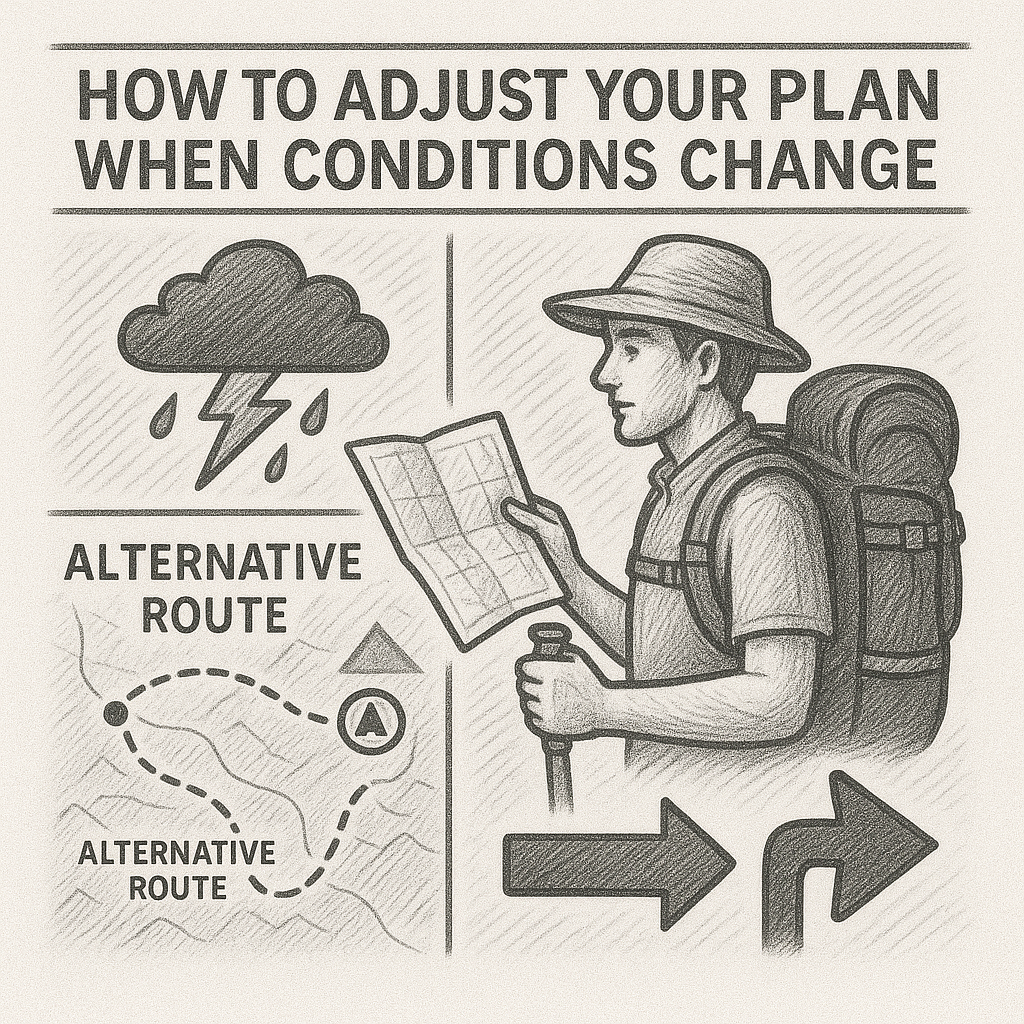
How to Adjust Your Plan When Conditions Change
Adapting a hiking plan is not a failure; it is a fundamental outdoor skill. The goal of a hike is not to complete a route at all costs, but to return safely with a positive experience.
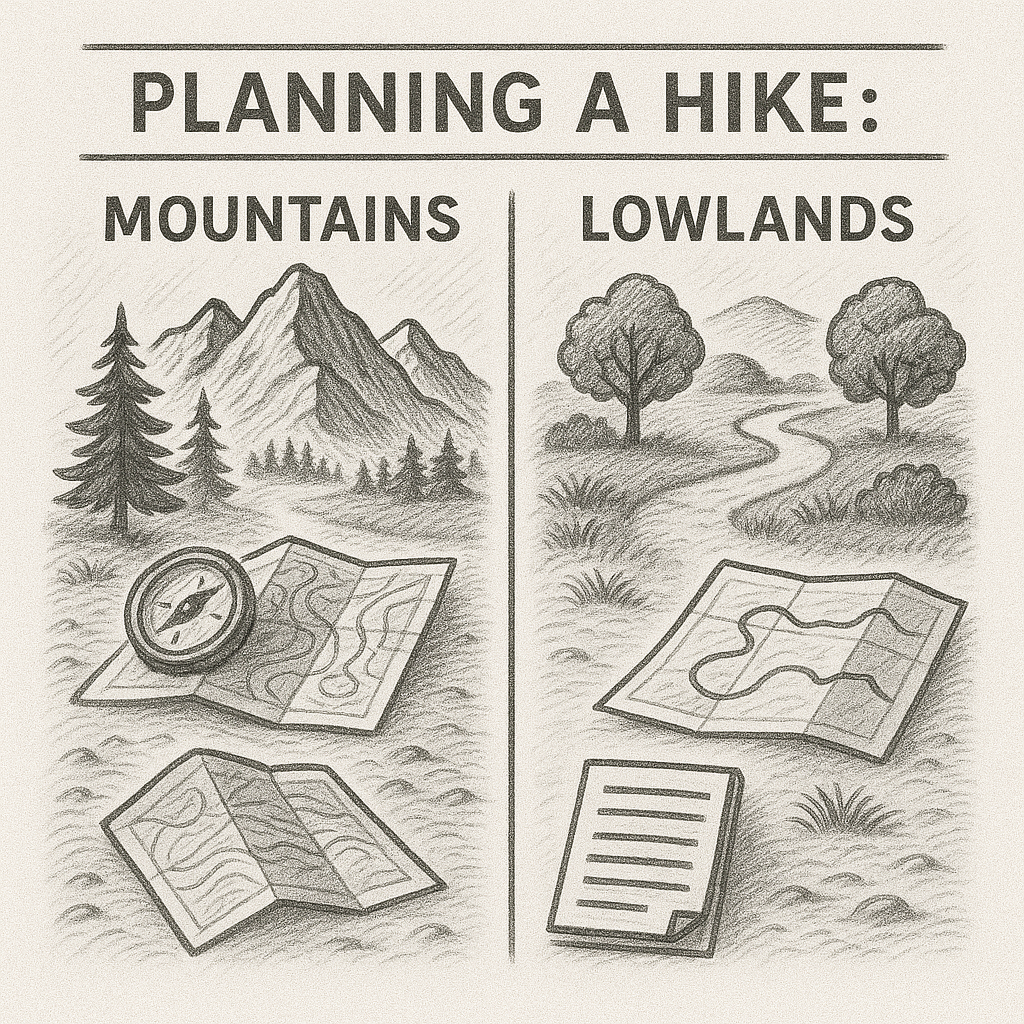
Planning a Hike in the Mountains vs Lowlands
Lowland and mountain hikes may share the same label, but they demand different planning approaches. The mountains require increased respect for terrain, weather, and self-reliance.