Daimon-zawa-koya (大門沢小屋)
090-7635-4244
☎️
090-7635-4244 ☎️
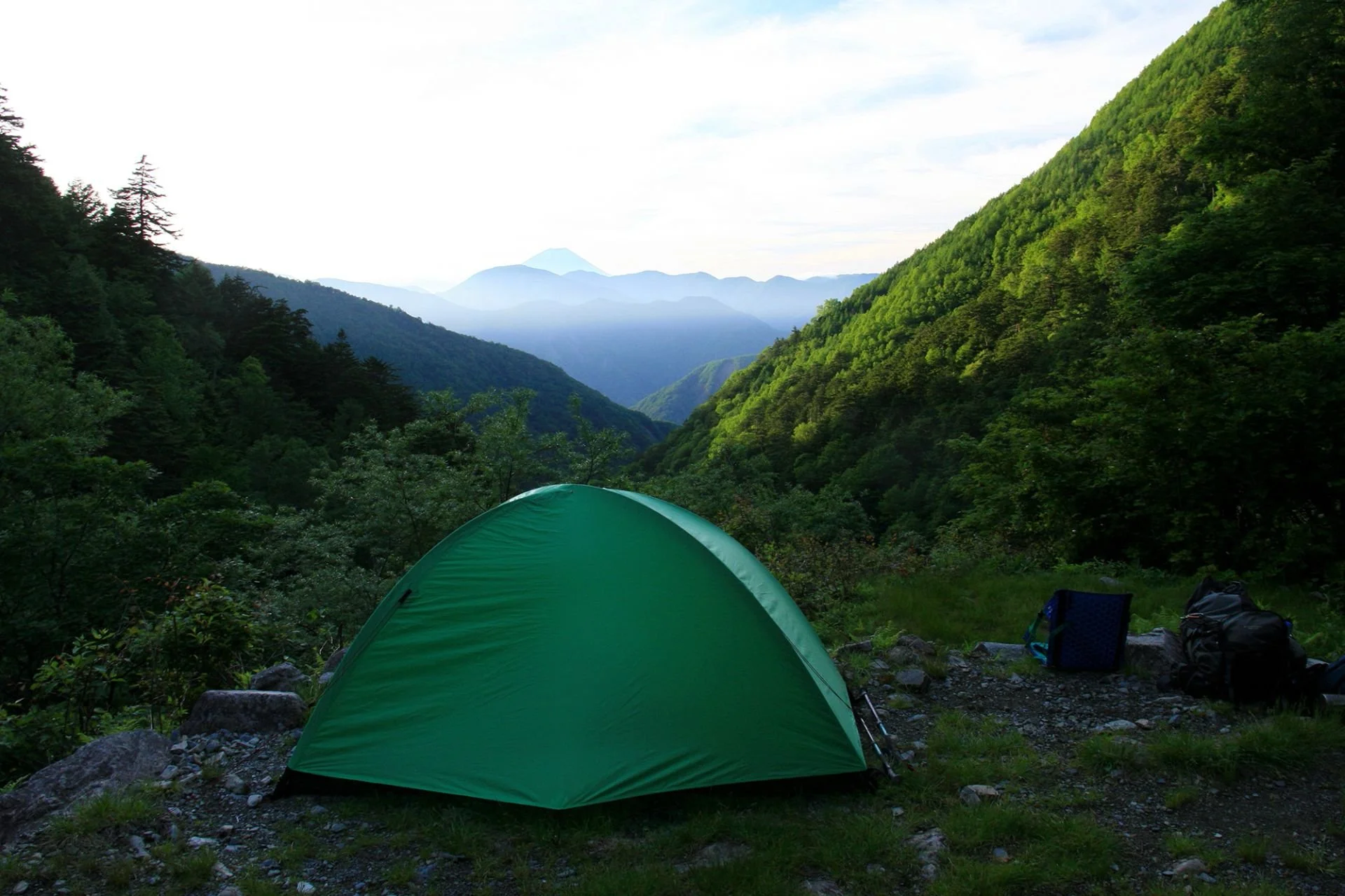
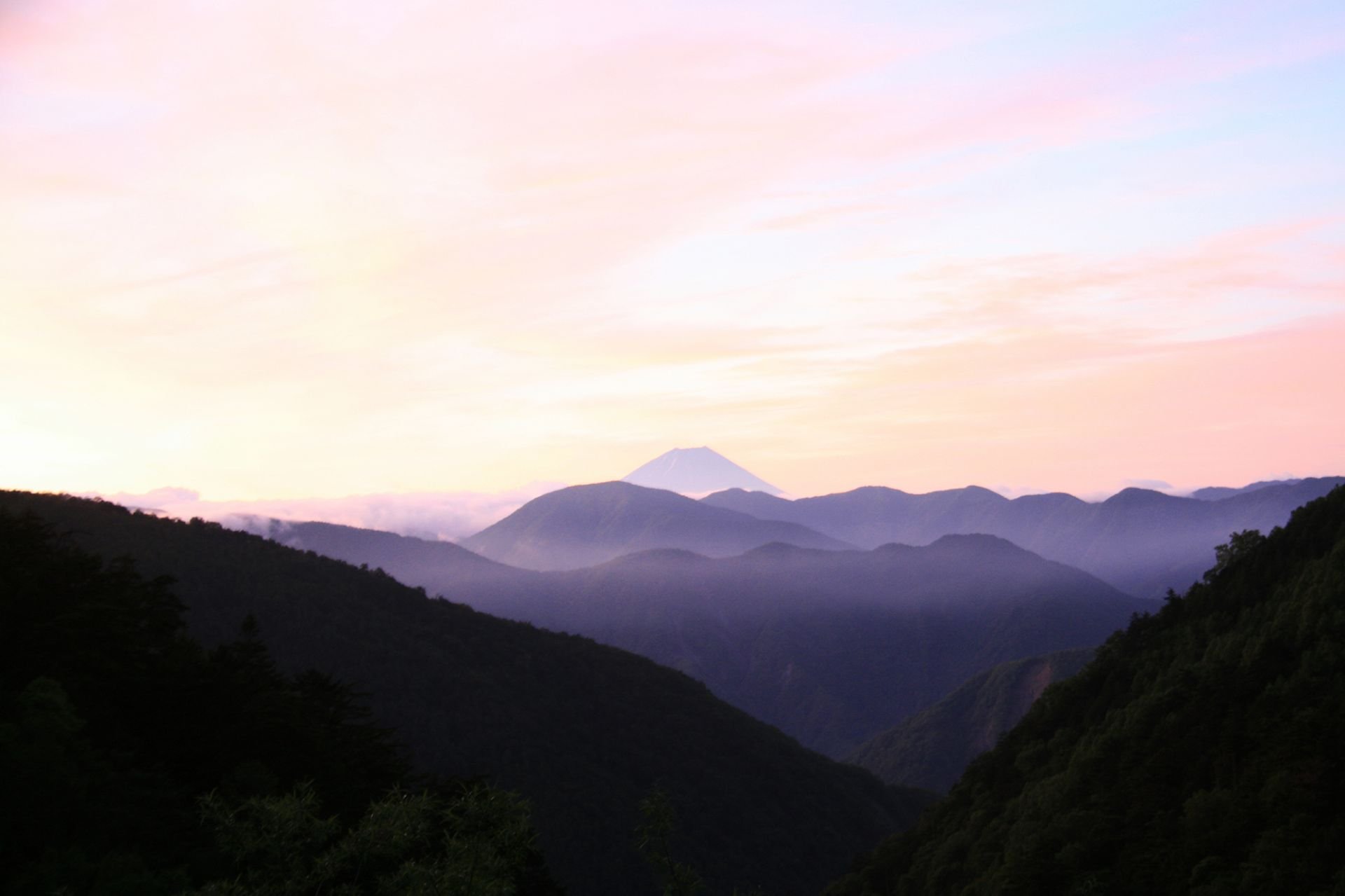
Daimon-zawa-koya is a classic, deeply forested mountain hut + tent site on the Daimonzawa trail—a key approach used by hikers heading toward Mt. Nōtori (Notori-dake) and the Southern Alps main ridge. It’s well known for two standout features: a front-facing Mt. Fuji view from deep in the forest, and hot-water showers thanks to abundant water supply—rare comfort for a remote valley-stage hut.
-
Location: Daimonzawa trail (Southern Alps / Hayakawa area approach toward Nōtori sector), Japan
Altitude: 1,776 m (official hut / local tourism listings; some directories list 1,765 m)
Type: Mountain hut + tent site
Capacity: commonly listed between 45 and 70 depending on source/system
Camping: listed between 40 and 50 tents depending on source/system
Official website: daimonzawa.com
-
Daimon-zawa-koya is almost never a “quick overnight.” It’s typically used to split a long valley approach before pushing higher the next day.
Common route logic: arrive here, then continue toward the Nōtori ridge / Southern Alps traverse lines.
Terrain: long forest travel, river crossings/bridges depending on the exact line—pace and weather heavily affect timing.
-
For a remote stage hut, it has unusually good “recovery” infrastructure.
Hot-water showers (explicitly highlighted by the hut and local tourism)
Abundant water (the reason showers are possible; still plan prudently in the mountains)
Standard staffed-hut structure: dormitory-style sleeping, fixed schedules, early starts (details vary by season and booking policy).
-
Expect a quiet, forest-base atmosphere—more “deep valley reset” than ridge-hub buzz. Many parties use it exactly for that: eat, shower, sleep early, and move higher with a better margin the next day.
-
Daimon-zawa-koya is especially relevant for:
Staging the Nōtori approach and related Southern Alps ridge itineraries (route-dependent).
A practical split point that keeps long days manageable before you commit to more exposed upper terrain.
-
Typical staffed season is summer to early autumn; exact dates vary year to year (booking calendars differ by platform).
Main risks: heavy rain affecting river/valley conditions and timing (classic valley-hut constraint).
-
Hikers doing multi-day Southern Alps itineraries via the Nōtori approach
Trekkers who value a recovery night (showers + water) before higher stages
Campers who want a designated tent area with hut support nearby
Why This Hut Is Worth Visiting
Daimon-zawa-koya is “infrastructure where it matters”: a reliable valley-stage base that makes bigger Southern Alps ridge plans more controllable—while offering a rare combination of forest immersion + Mt. Fuji view + hot-water showers at roughly 1,776 m.