
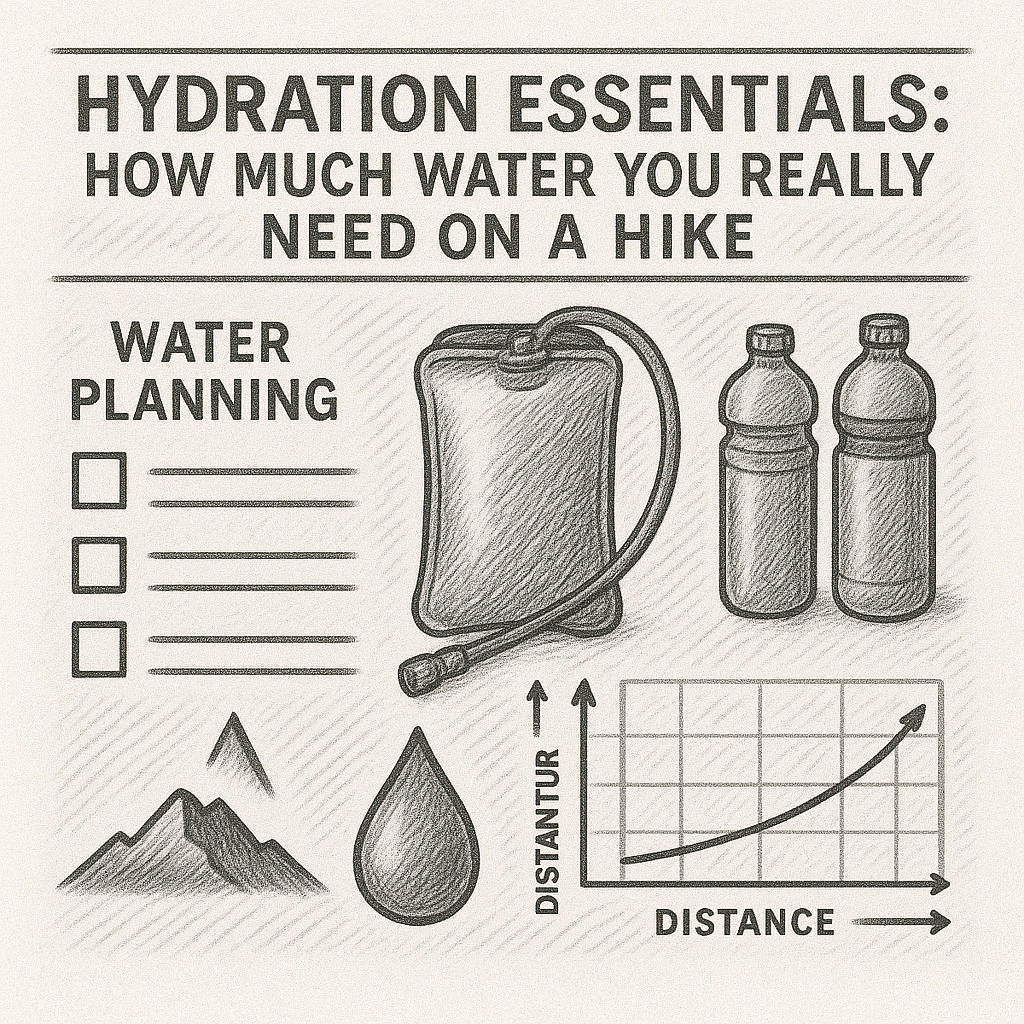
Hydration Essentials: How Much Water You Really Need on a Hike
Proper hydration is fundamental for safe hiking. Understanding how much water you need, recognizing environmental factors, and using the right hydration tools allows you to hike with greater comfort, safety, and endurance.
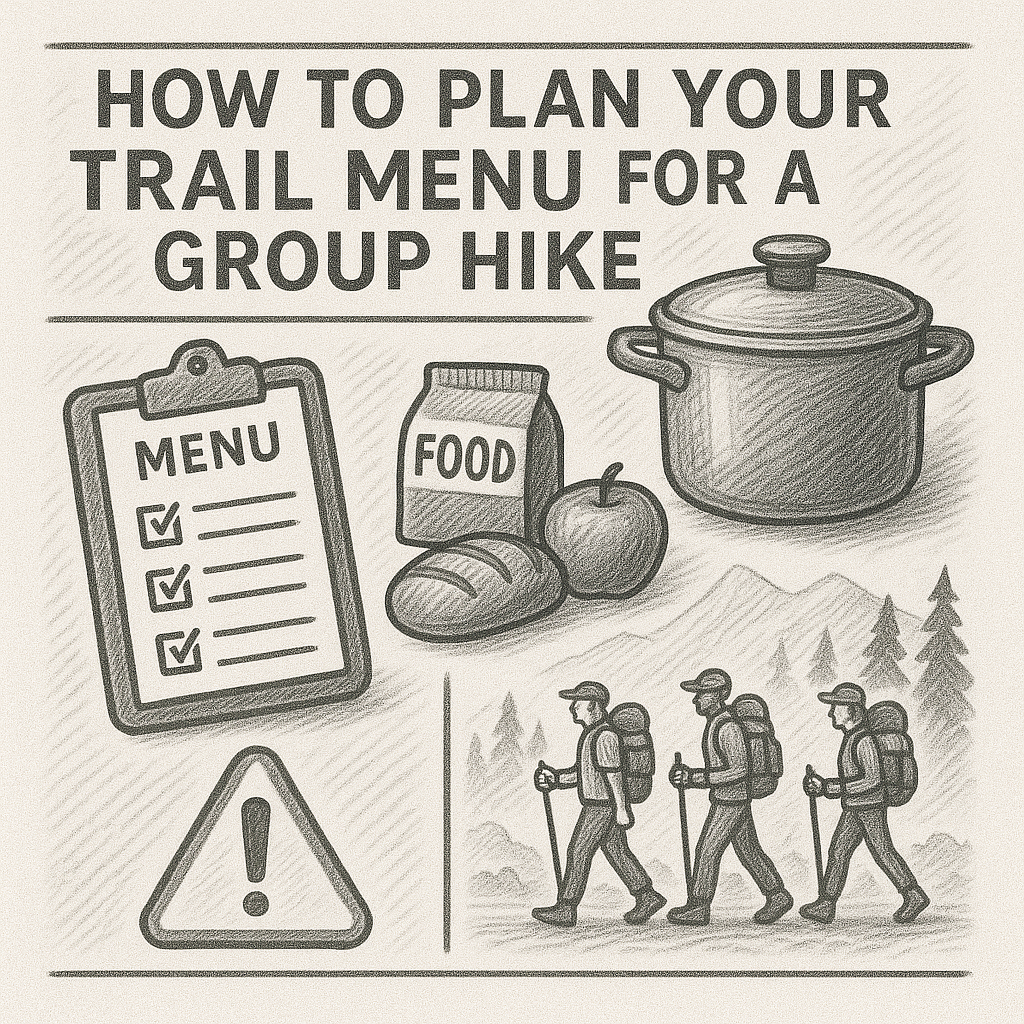
How to Plan Your Trail Menu for a Group Hike
Planning a trail menu for a group hike requires organization, communication, and flexibility. By coordinating meals, sharing responsibilities, and choosing scalable, efficient food options, groups can reduce pack weight, avoid confusion, and maintain strong energy levels.
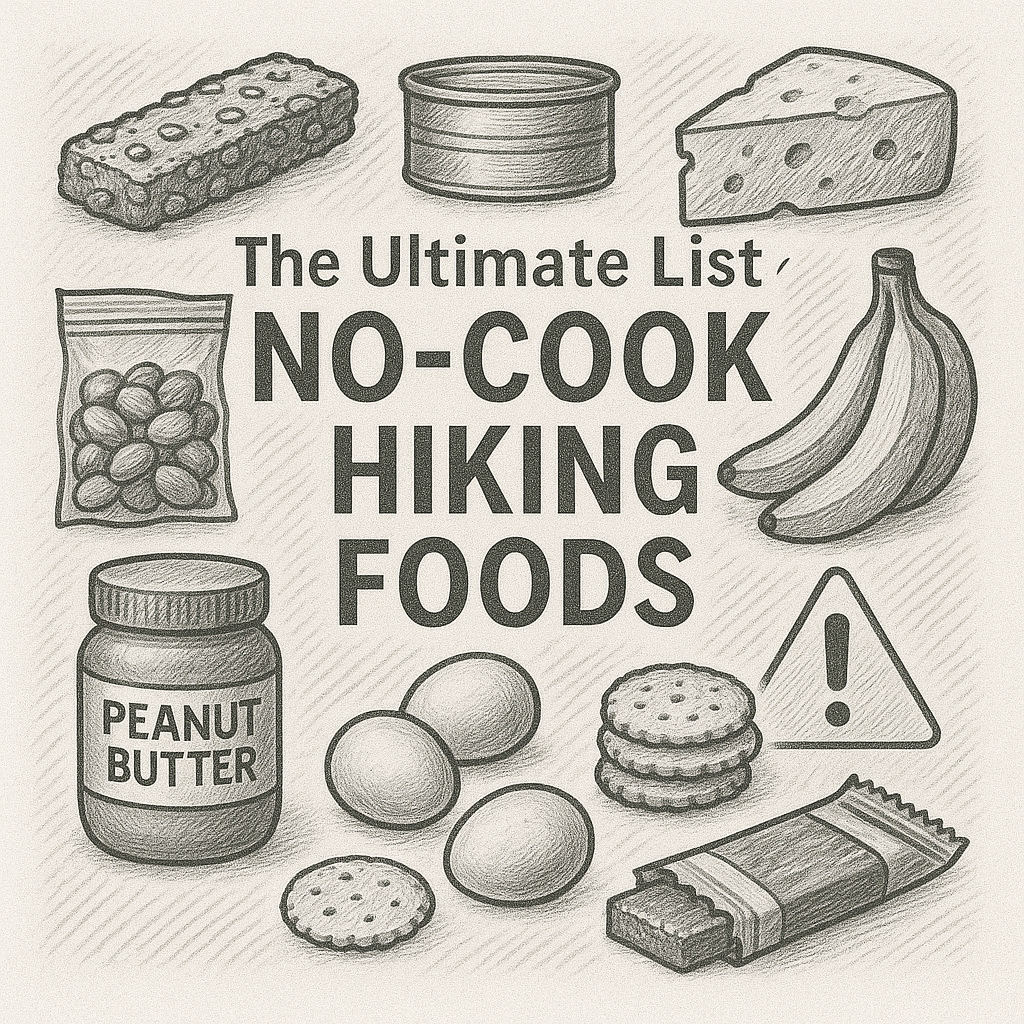
The Ultimate List of No-Cook Hiking Foods
No-cook hiking foods offer a simple, lightweight, and efficient solution for many types of outdoor adventures. With the right combinations of carbohydrates, proteins, and healthy fats, hikers can maintain energy and performance without carrying cooking equipment.
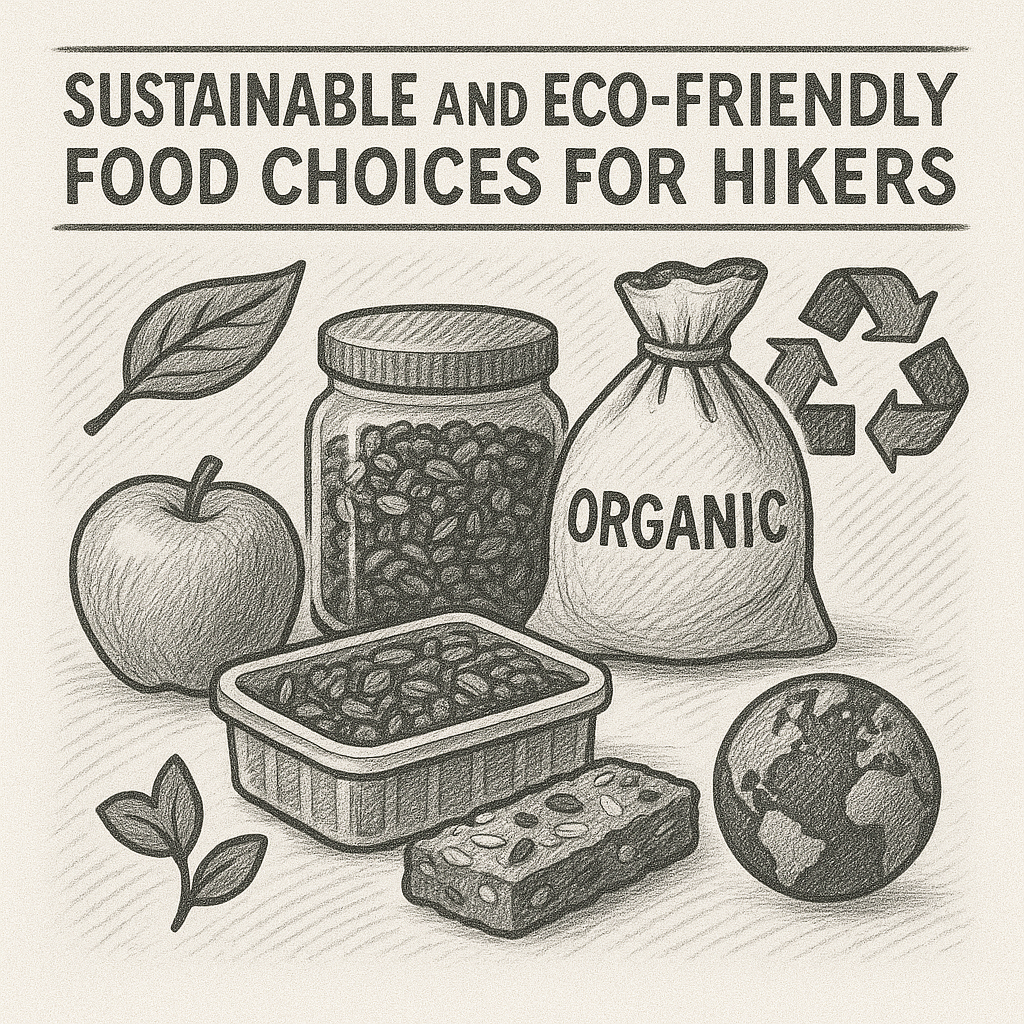
Sustainable and Eco-Friendly Food Choices for Hikers
By reducing packaging, choosing reusable containers, preparing homemade meals, minimizing waste, and selecting low-impact ingredients, hikers can significantly reduce their environmental footprint.
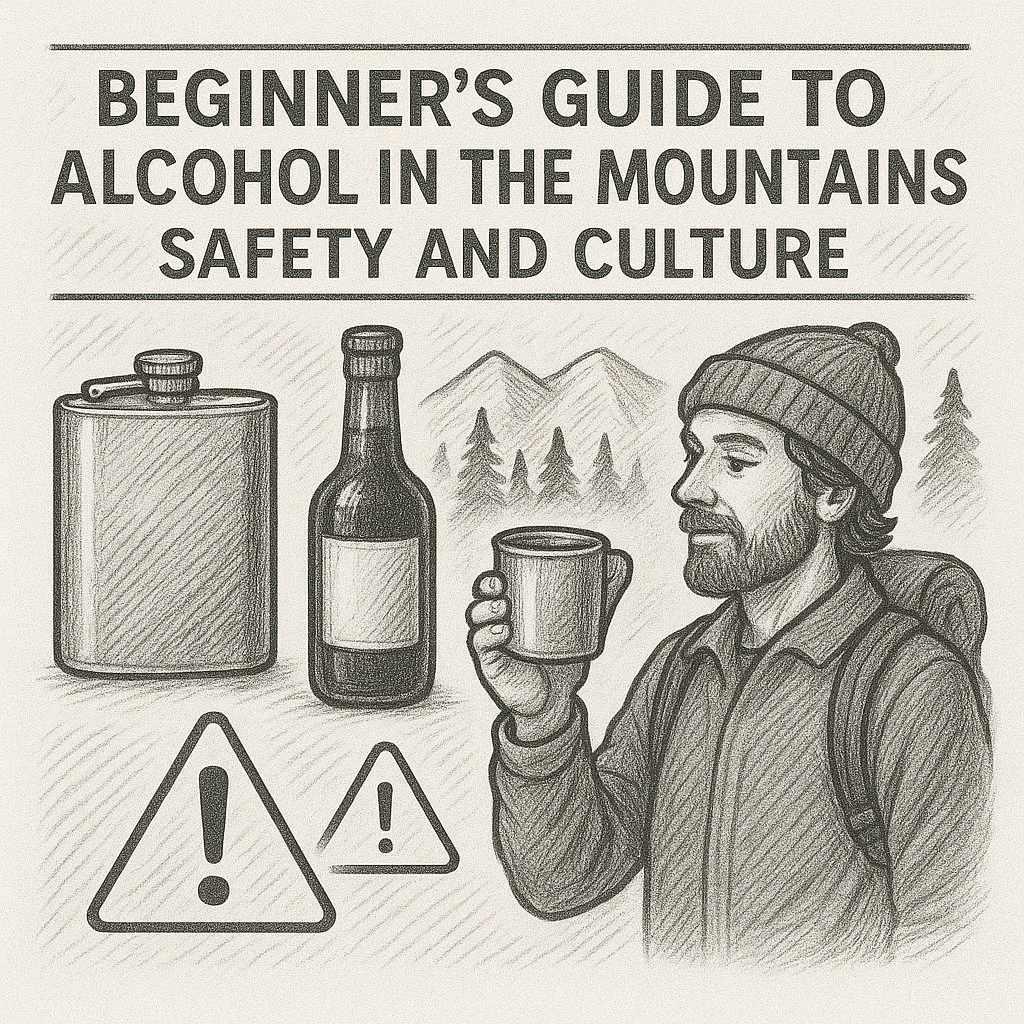
Beginner’s Guide to Alcohol in the Mountains: Safety and Culture
Alcohol has a place in mountain culture, but it demands caution and respect. Understanding how altitude, exertion, and environment affect alcohol allows hikers to make informed and safe choices.
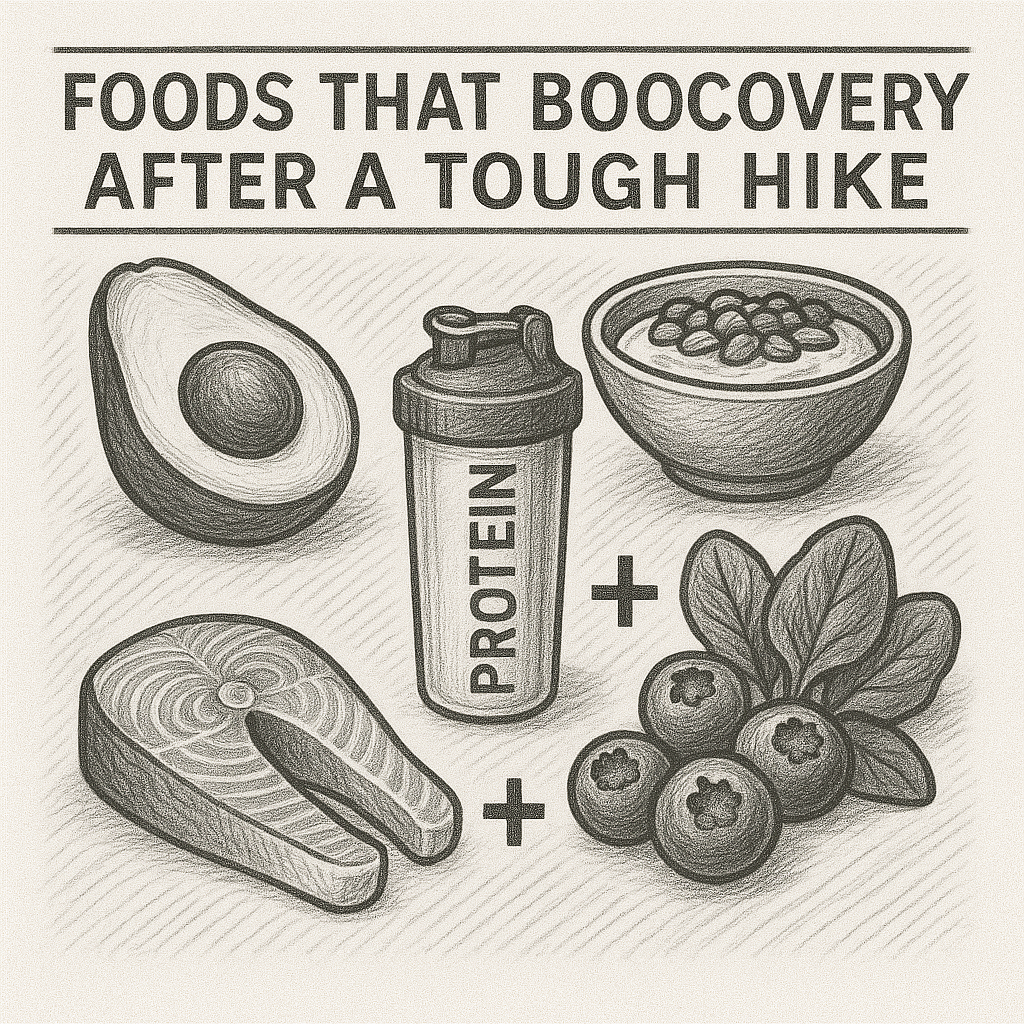
Foods That Boost Recovery After a Tough Hike
With the right nutrition—focused on protein for muscle repair, carbohydrates for energy replenishment, healthy fats for inflammation control, and hydration—you can significantly reduce fatigue and improve performance on your next hike.
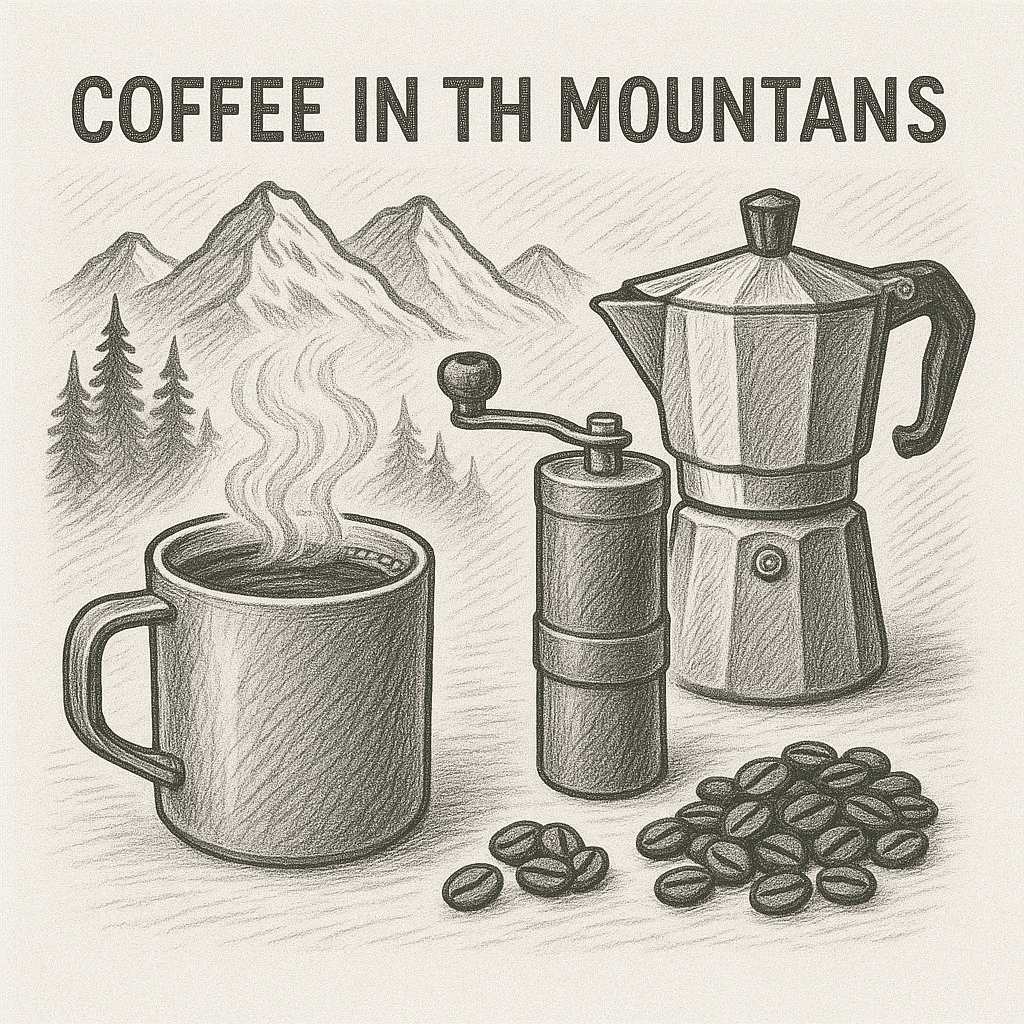
Coffee in the Mountains: Methods, Gear, and Recipes
By choosing the right brewing method—whether ultralight instant coffee or a high-quality AeroPress—hikers can enjoy excellent coffee anywhere. With efficient gear and smart preparation, your mountain coffee routine becomes a reliable and rewarding part of every adventure.
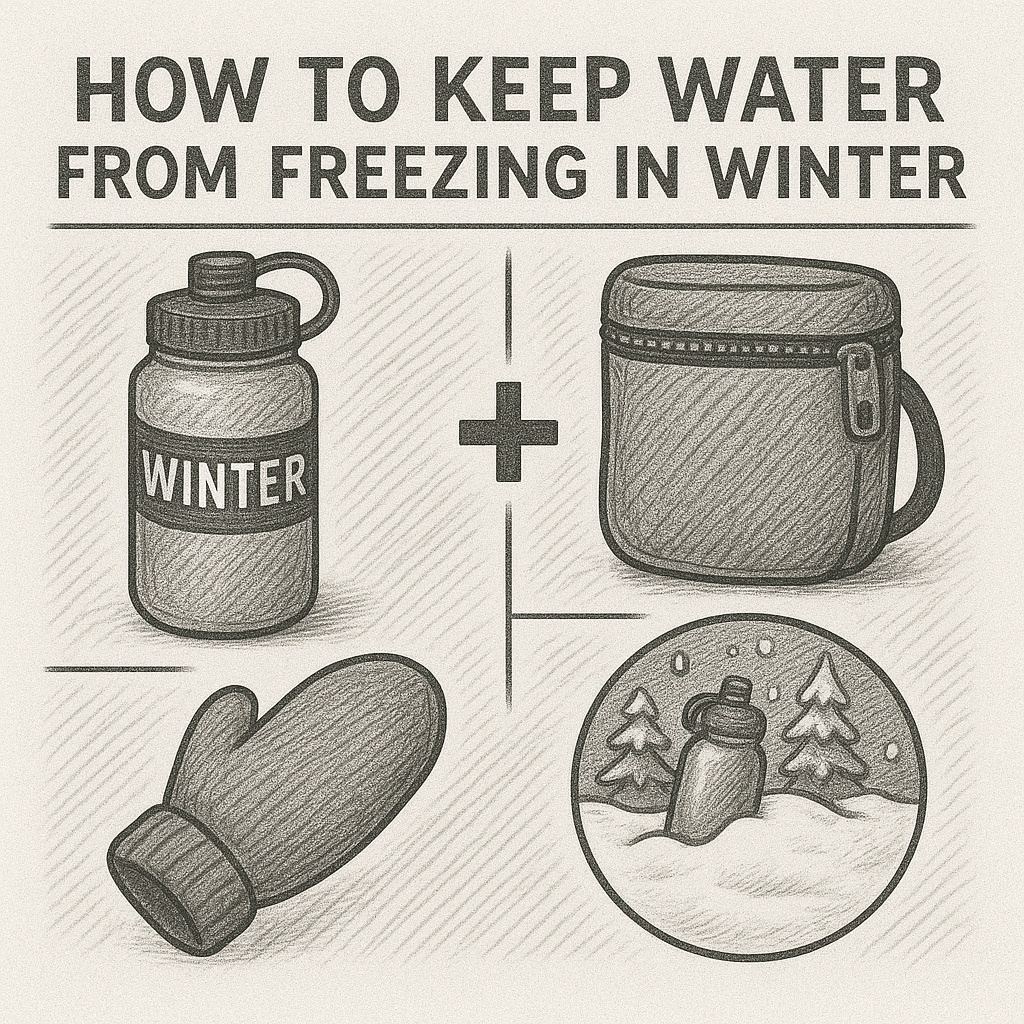
How to Keep Water from Freezing in Winter
Keeping water from freezing in winter requires a combination of smart gear choices, proper storage techniques, and proactive hydration habits. Insulated bottles, body warmth, bottle sleeves, and warm drinks are the most reliable methods.
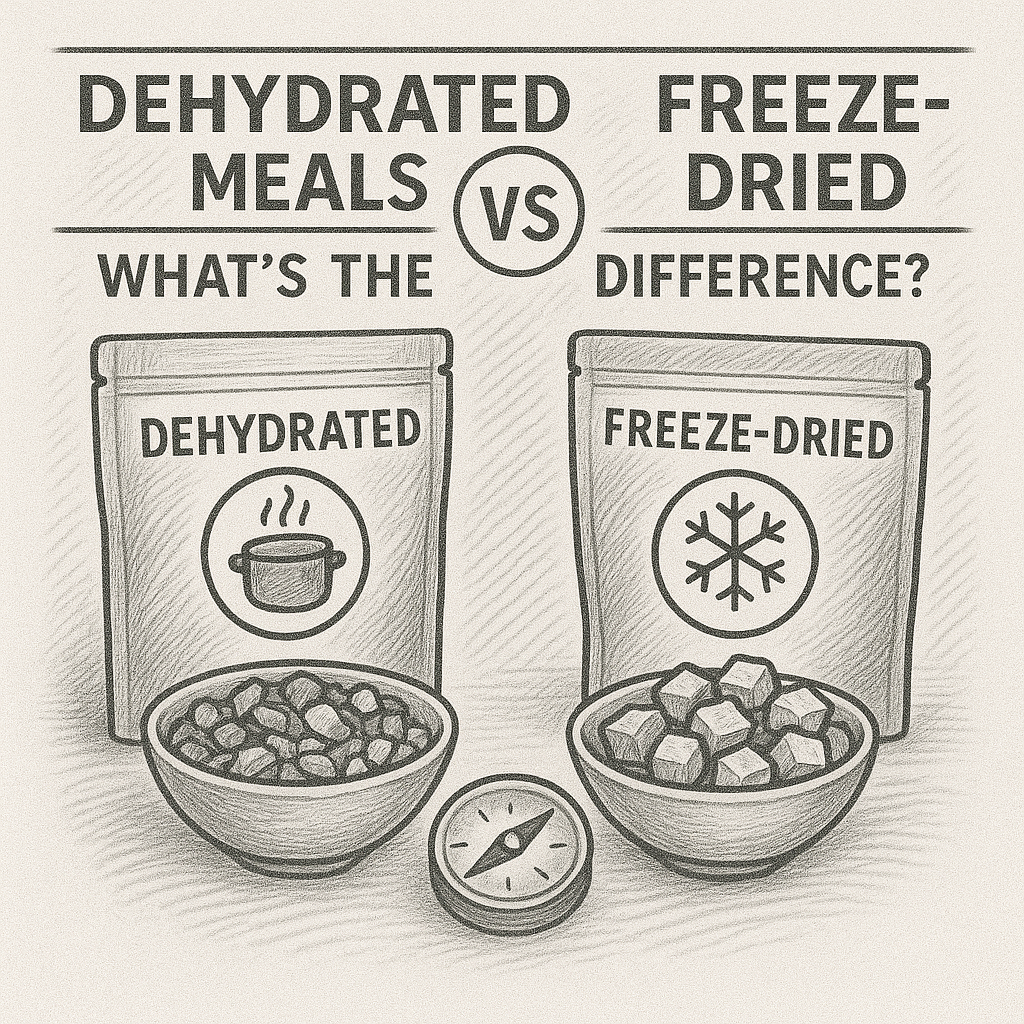
Dehydrated vs Freeze-Dried Meals: What’s the Difference?
Dehydrated and freeze-dried meals both offer reliable, packable solutions for multi-day hiking, but they serve different needs. Dehydrated meals are affordable and compact, while freeze-dried meals provide superior taste, faster preparation, and lower weight—ideal for demanding treks.
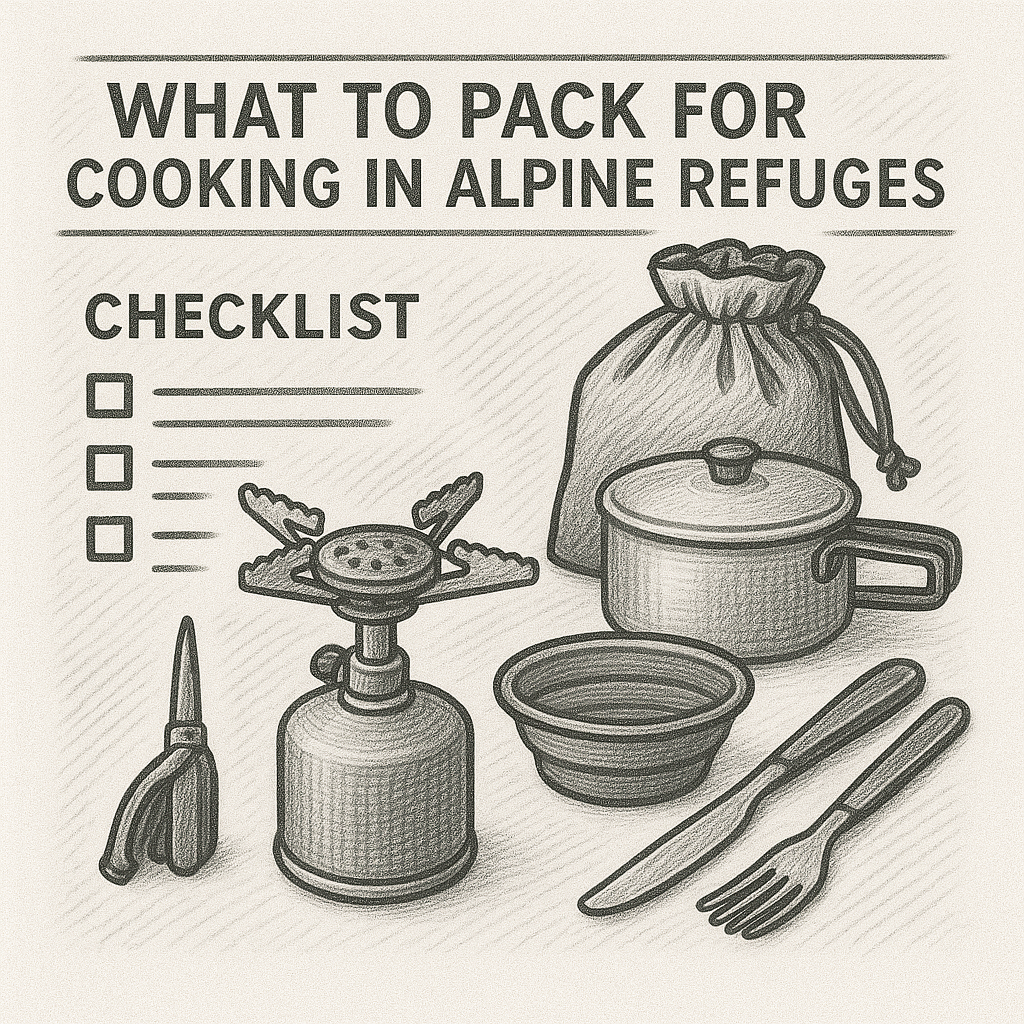
What to Pack for Cooking in Alpine Refuges
By bringing essential cookware, food items that cook quickly, personal utensils, and basic cleaning supplies, you maintain independence and contribute positively to the shared refuge environment.
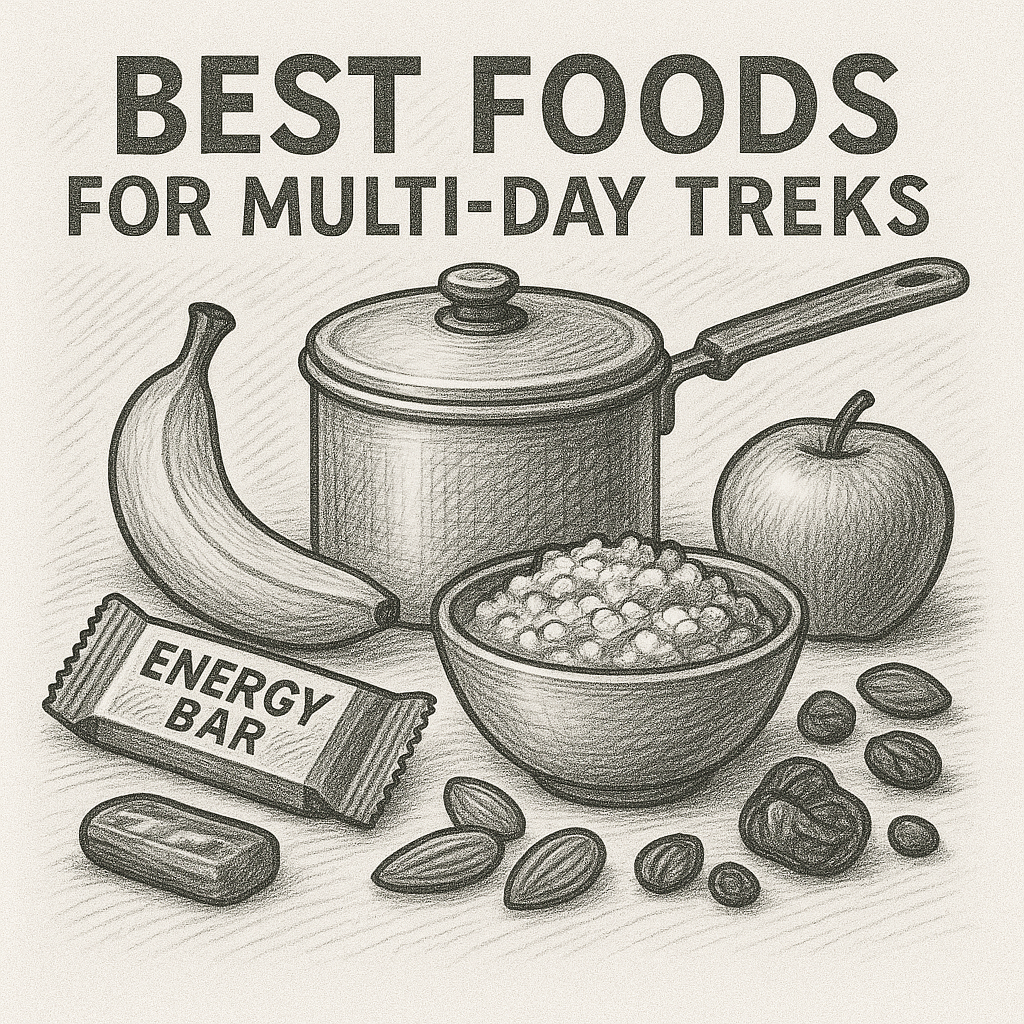
Best Foods for Multi-Day Treks
By choosing versatile staples such as couscous, instant rice, nut butters, tuna pouches, and trail mix, hikers can fuel efficiently across multiple days without carrying excessive bulk.
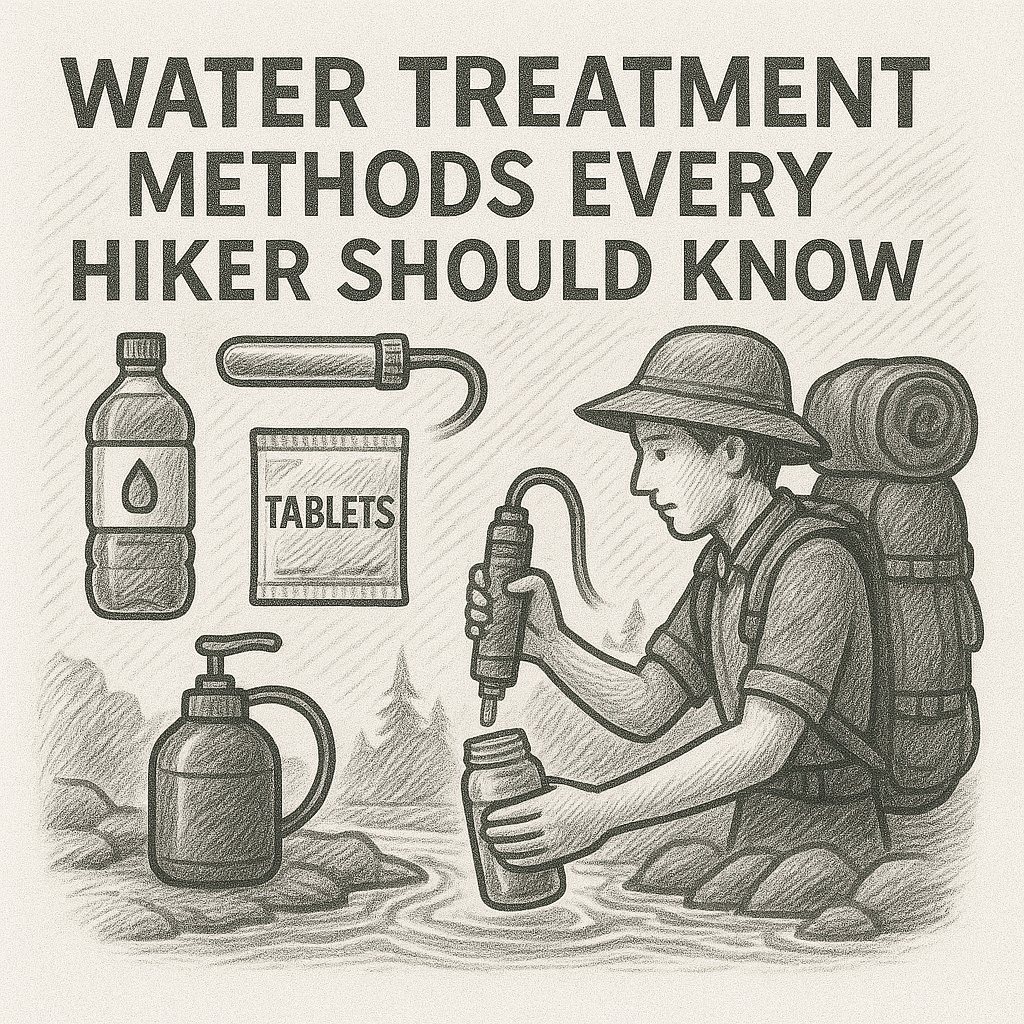
Water Treatment Methods Every Hiker Should Know
Knowing how to treat water safely is an essential skill for every hiker. Each method offers unique advantages depending on conditions, trip length, and weight considerations.
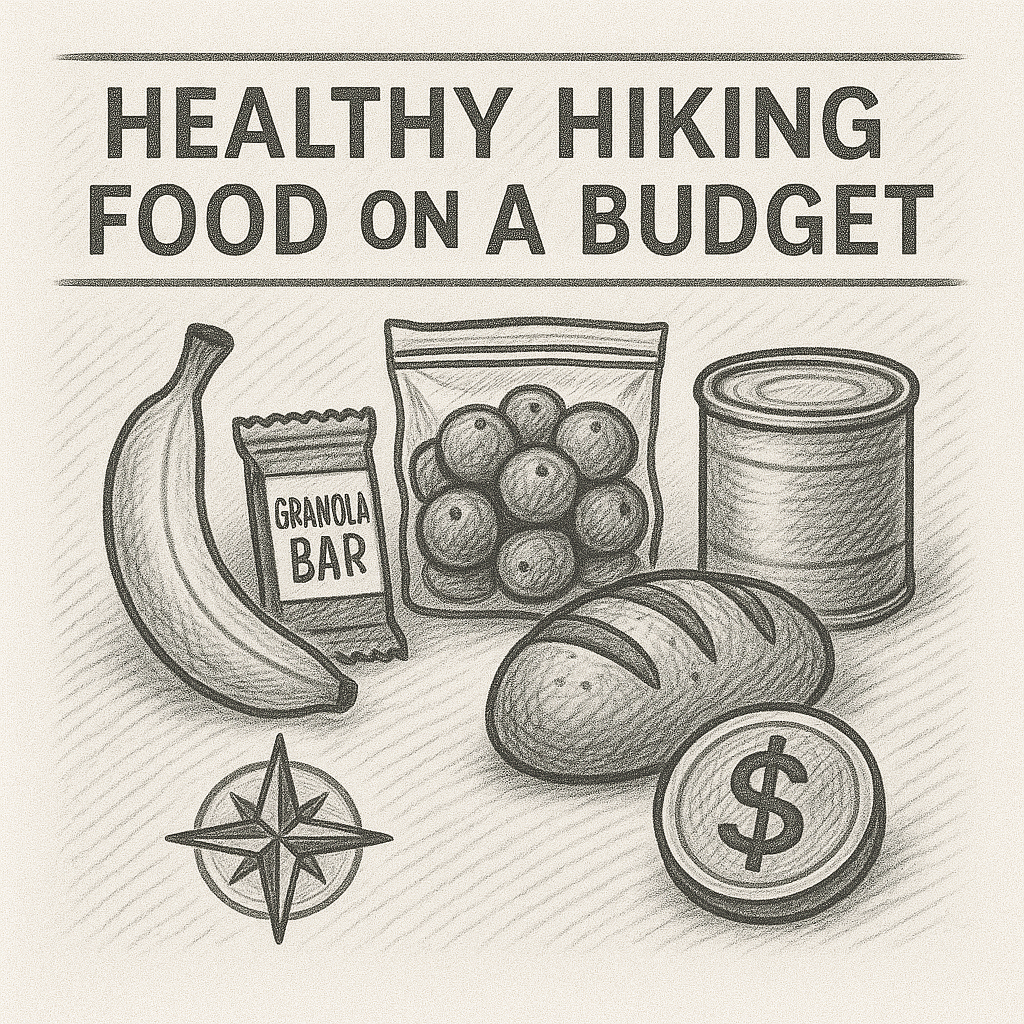
Healthy Hiking Food on a Budget
Healthy hiking food does not need to be costly. With smart planning and affordable supermarket staples, hikers can consume high-quality nutrition that supports endurance, comfort, and recovery on the trail.
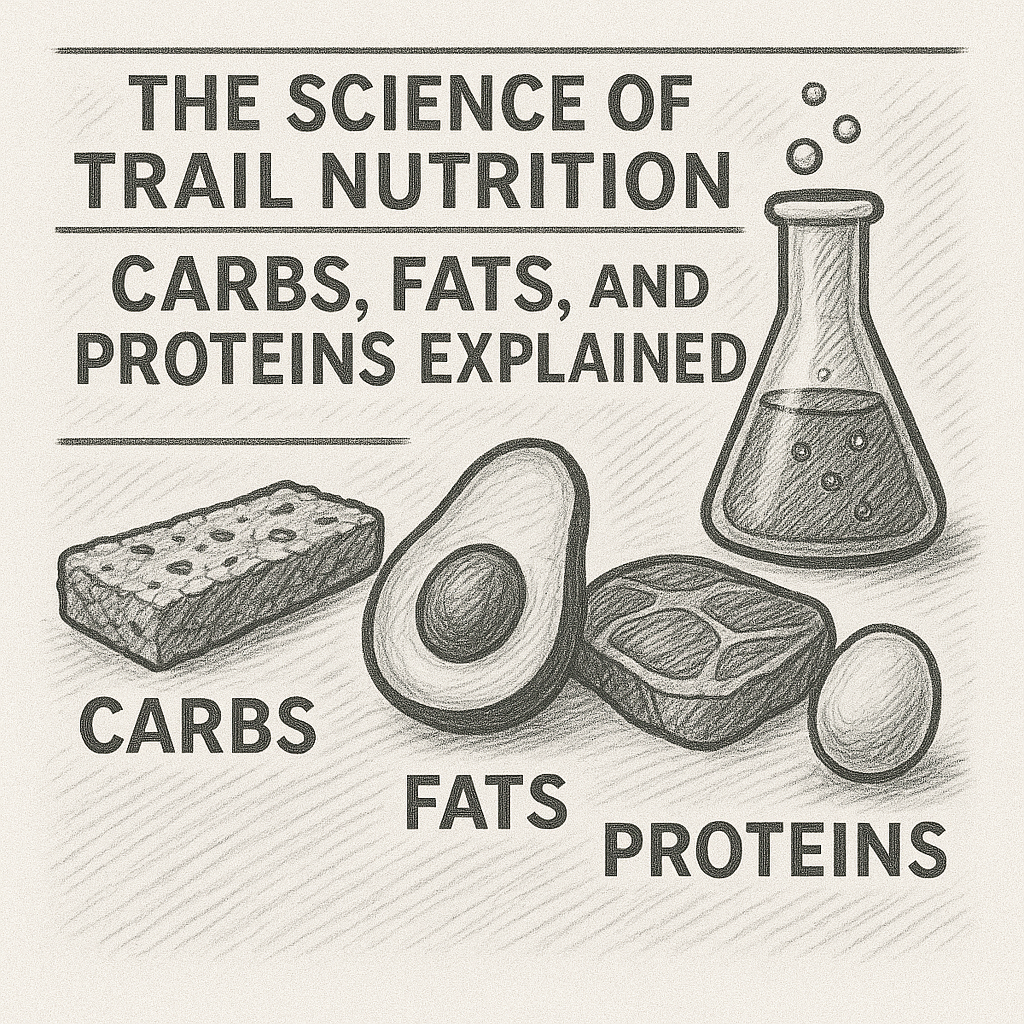
The Science of Trail Nutrition: Carbs, Fats, and Proteins Explained
Understanding the roles of carbohydrates, fats, and proteins allows hikers to fuel their bodies more effectively. Carbs provide the immediate power needed for climbs, fats deliver long-lasting endurance, and proteins support muscle repair and recovery.
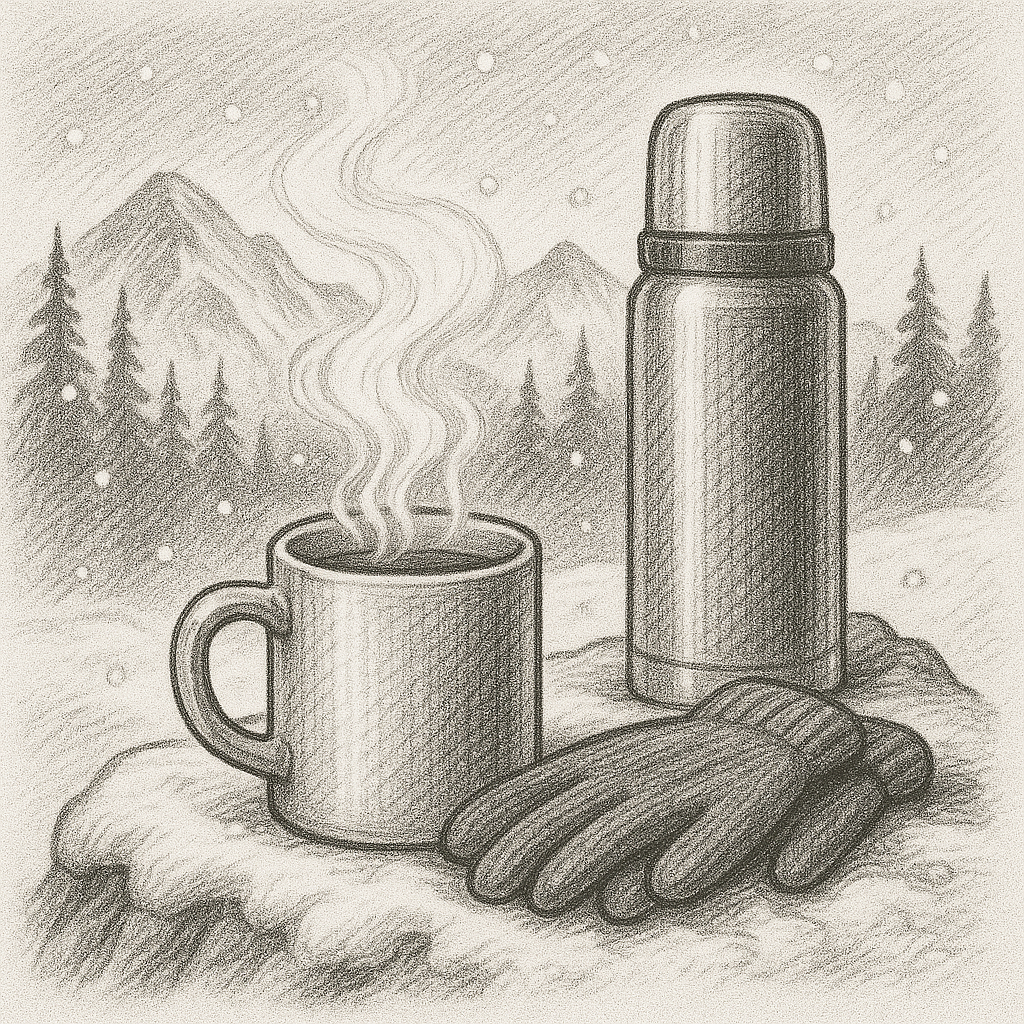
Hot Drinks to Boost Your Mood on Cold Mountain Days
Hot drinks provide more than simple warmth on cold mountain days. They support hydration, improve morale, enhance endurance, and help regulate body temperature.
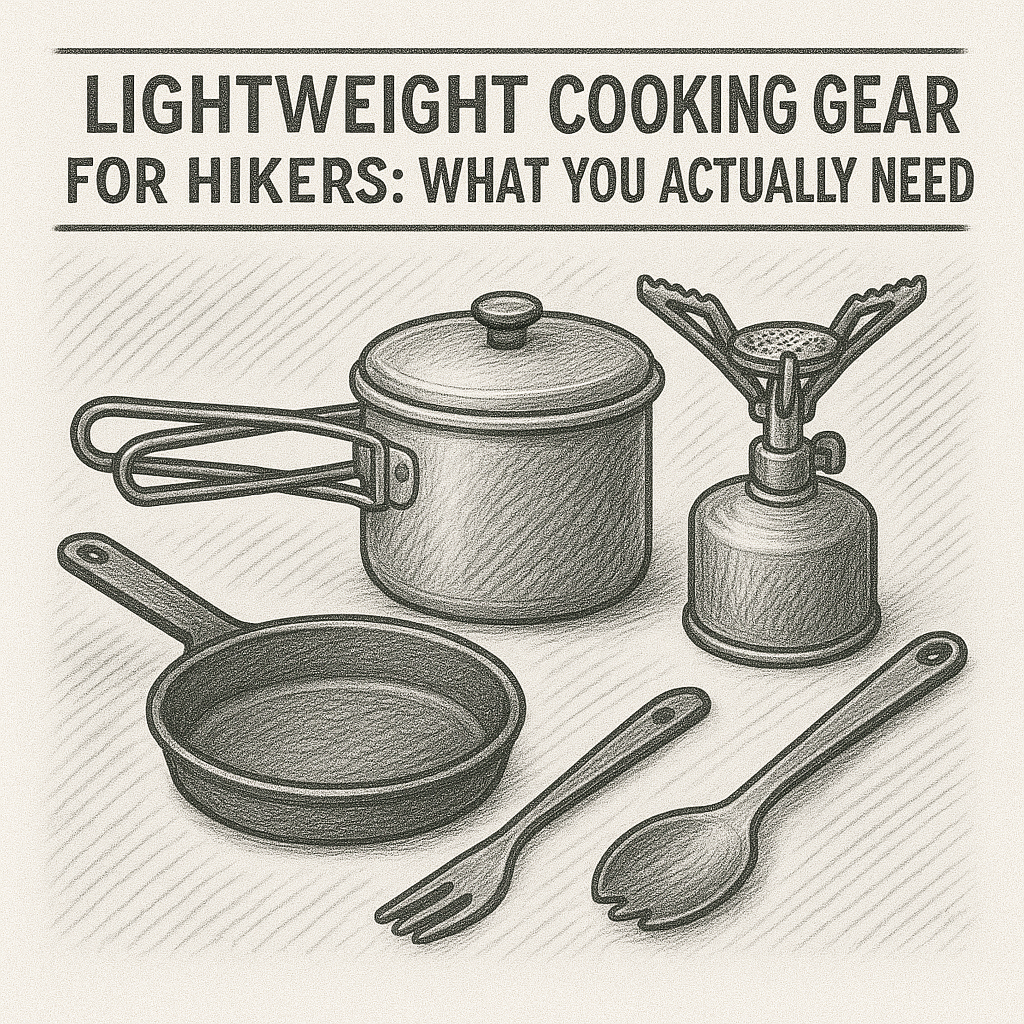
Lightweight Cooking Gear for Hikers: What You Actually Need
Lightweight cooking gear allows hikers to prepare fast, effective meals without sacrificing comfort or efficiency. With the right stove, pot, utensils, and fuel, your trail cooking system becomes compact, reliable, and easy to use in any environment.
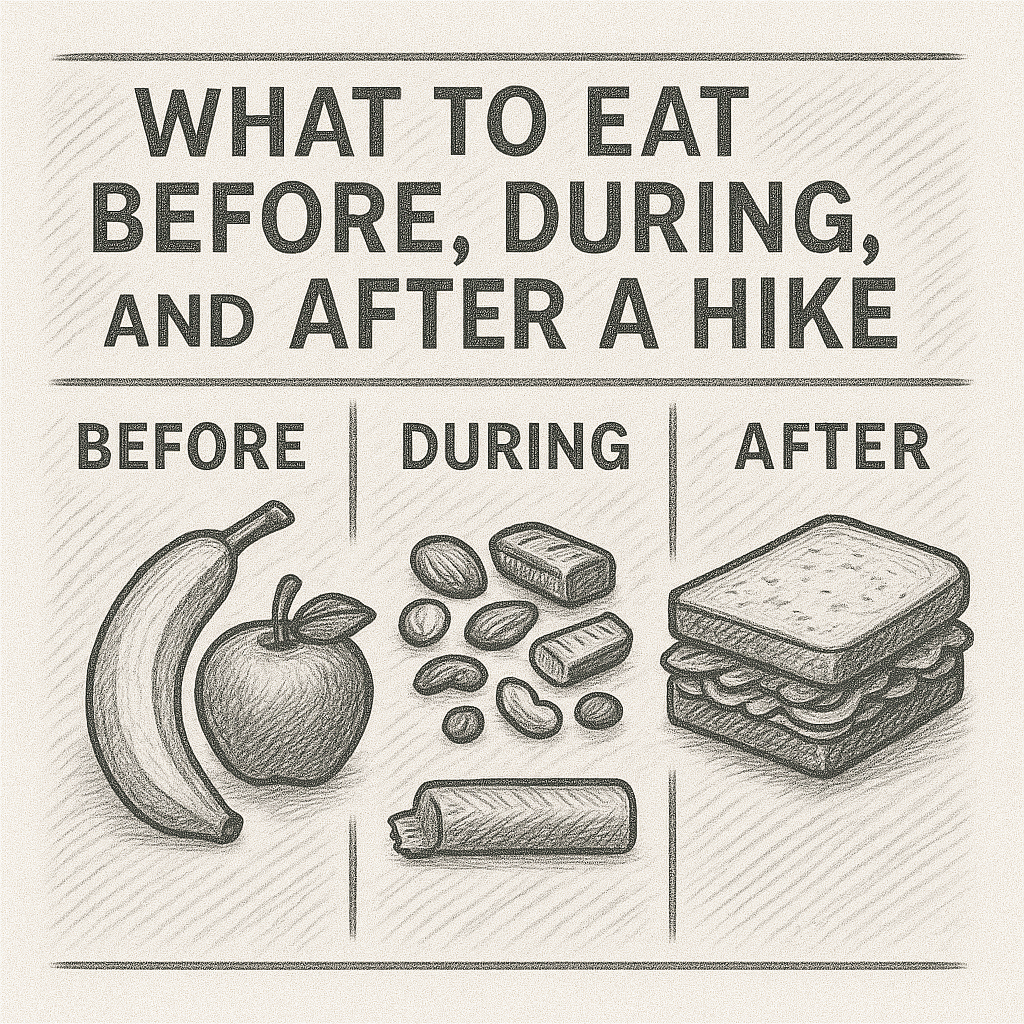
What to Eat Before, During, and After a Hike
What you eat before, during, and after a hike has a direct impact on your performance, comfort, and recovery. A smart fueling plan combines fast carbs for quick energy, healthy fats for endurance, and protein for muscle repair.
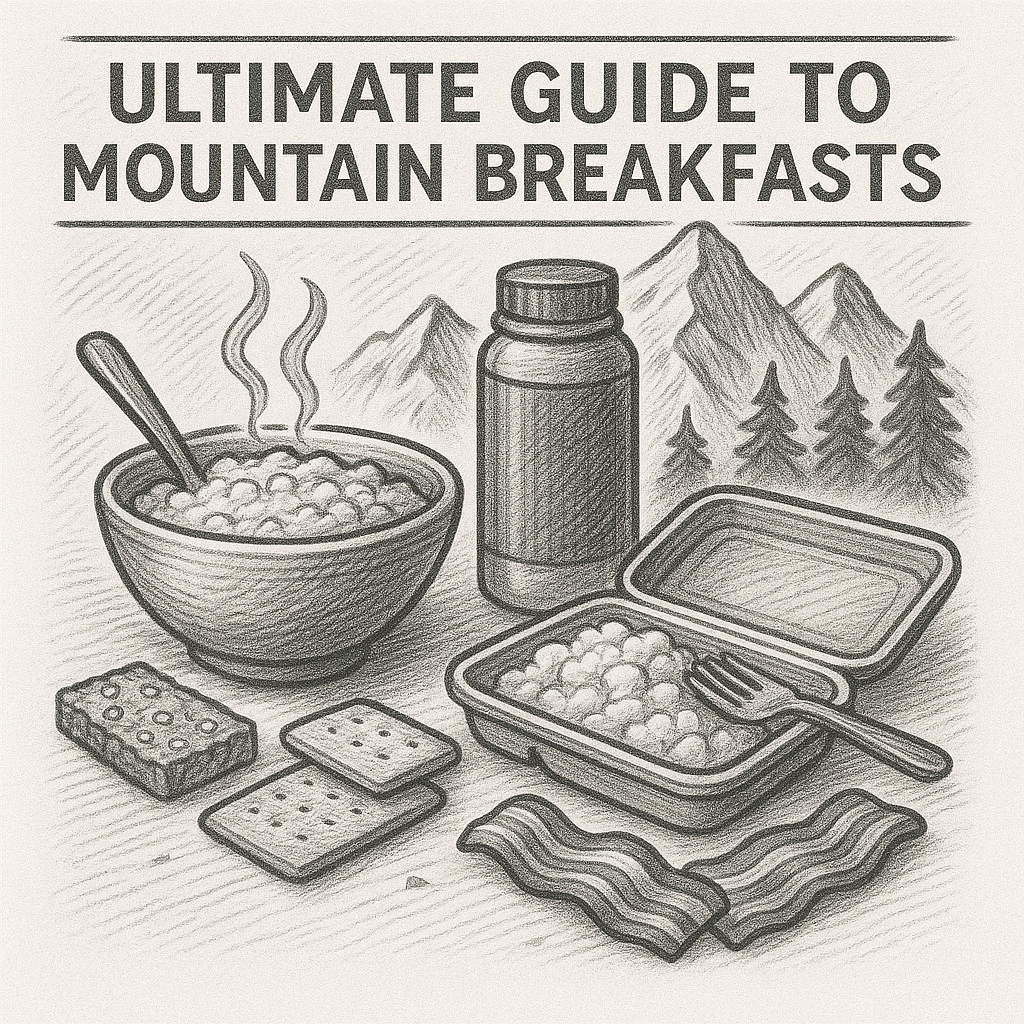
Ultimate Guide to Mountain Breakfasts
A well-planned mountain breakfast sets the tone for the entire hiking day. By choosing foods that combine carbohydrates, protein, and healthy fats, hikers can start the morning with strength, clarity, and endurance.
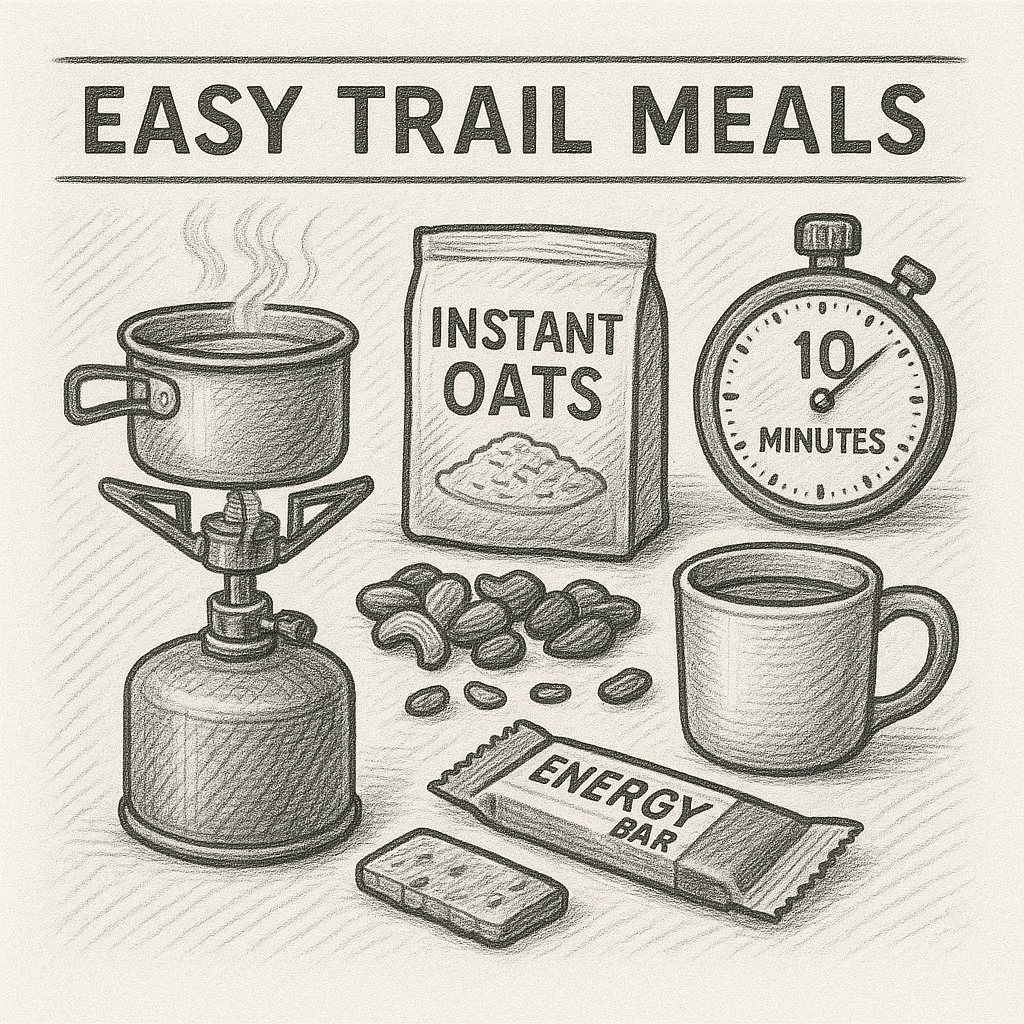
Easy Trail Meals You Can Prepare in Under 10 Minutes
Fast meals do not need to be boring. With simple ingredients and basic gear, hikers can prepare satisfying, nourishing meals in under 10 minutes.
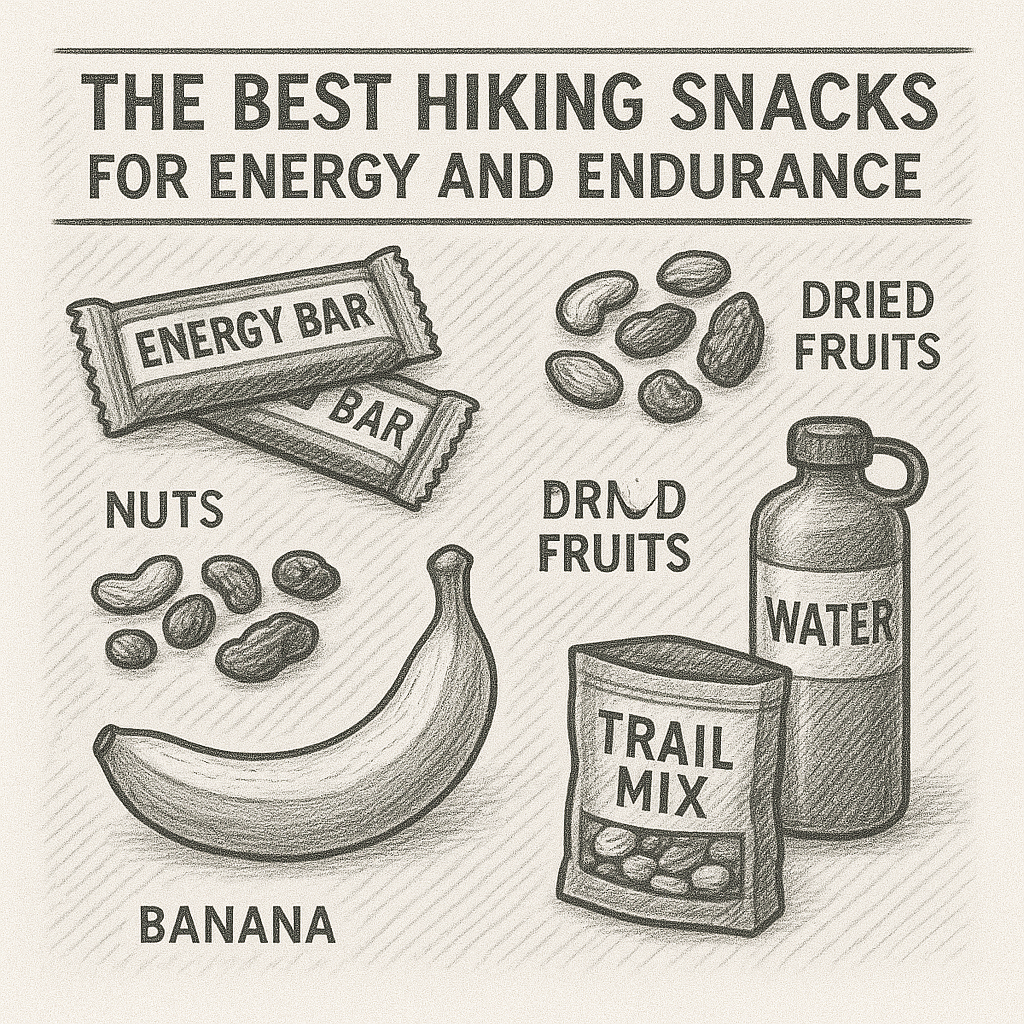
The Best Hiking Snacks for Energy and Endurance
The best hiking snacks strike a balance between quick energy, long-lasting fuel, and satisfying flavor. By choosing a variety of fast-acting carbs, nutrient-dense fats, and protein-rich options, you ensure a stable energy supply throughout your hike.