
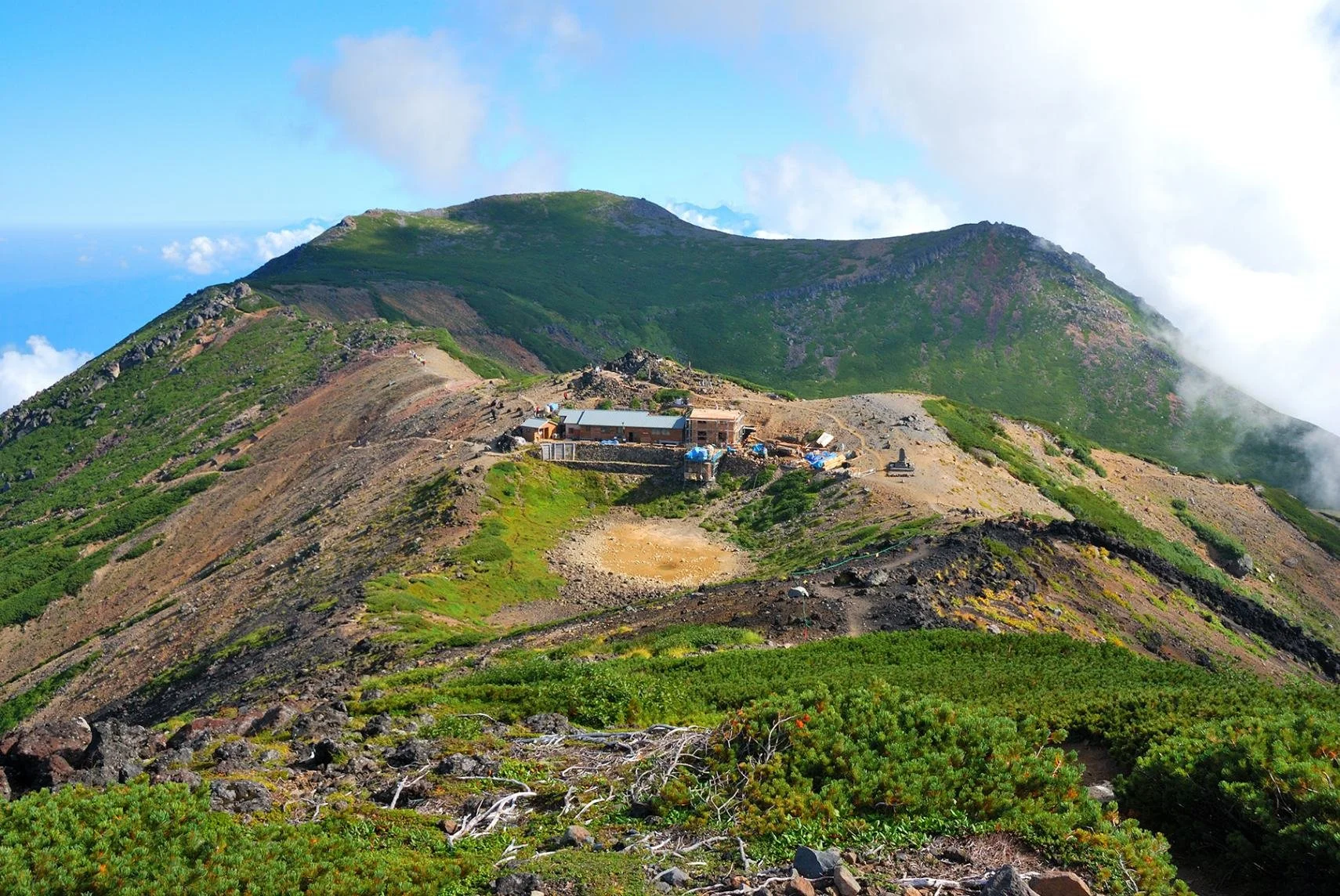
Gonoike-goya (五の池小屋)
Gonoike-goya is one of the most distinctive mountain huts on Mt. Ontake—set just below Hida-chojo (Hida Summit) beside the Gono-ike crater-lake area. It’s famous for combining serious volcano-zone logistics with an unusually “comfortable” hut vibe (including its well-known café).
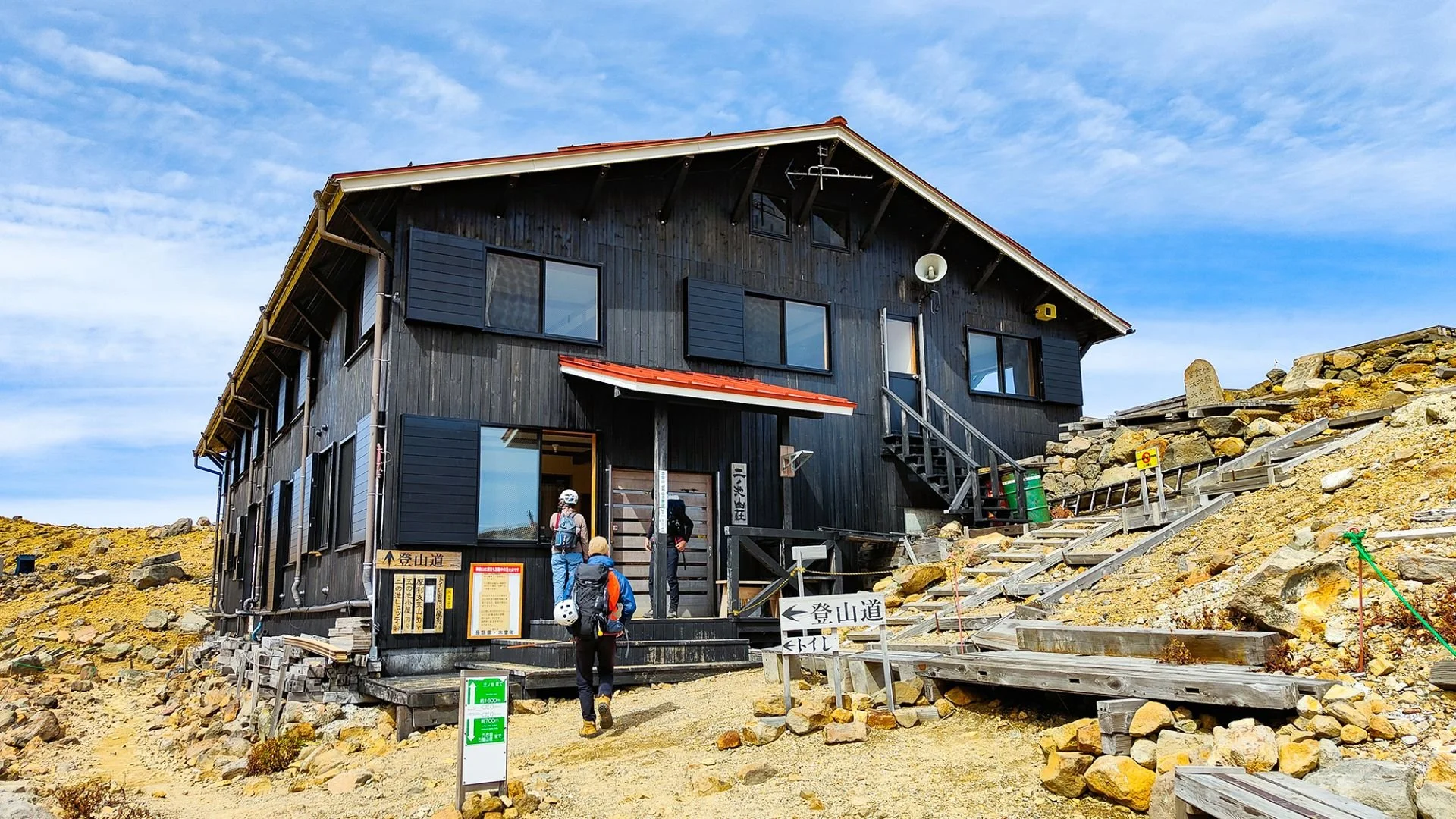
Ninoike-sanso (二ノ池山荘)
Ninoike-sanso is a high-altitude mountain hut beside Nino-ike, Japan’s highest-altitude lake, on Mt. Ontake. It’s a classic summit-zone staging base: you use it to split a long Ontake ascent, time sunrise above the cloud layer, and position yourself close to the crater area for early starts. Because Ontake is an active volcano, route access can change with volcanic alerts—so this is a hut where planning and up-to-date checks matter.
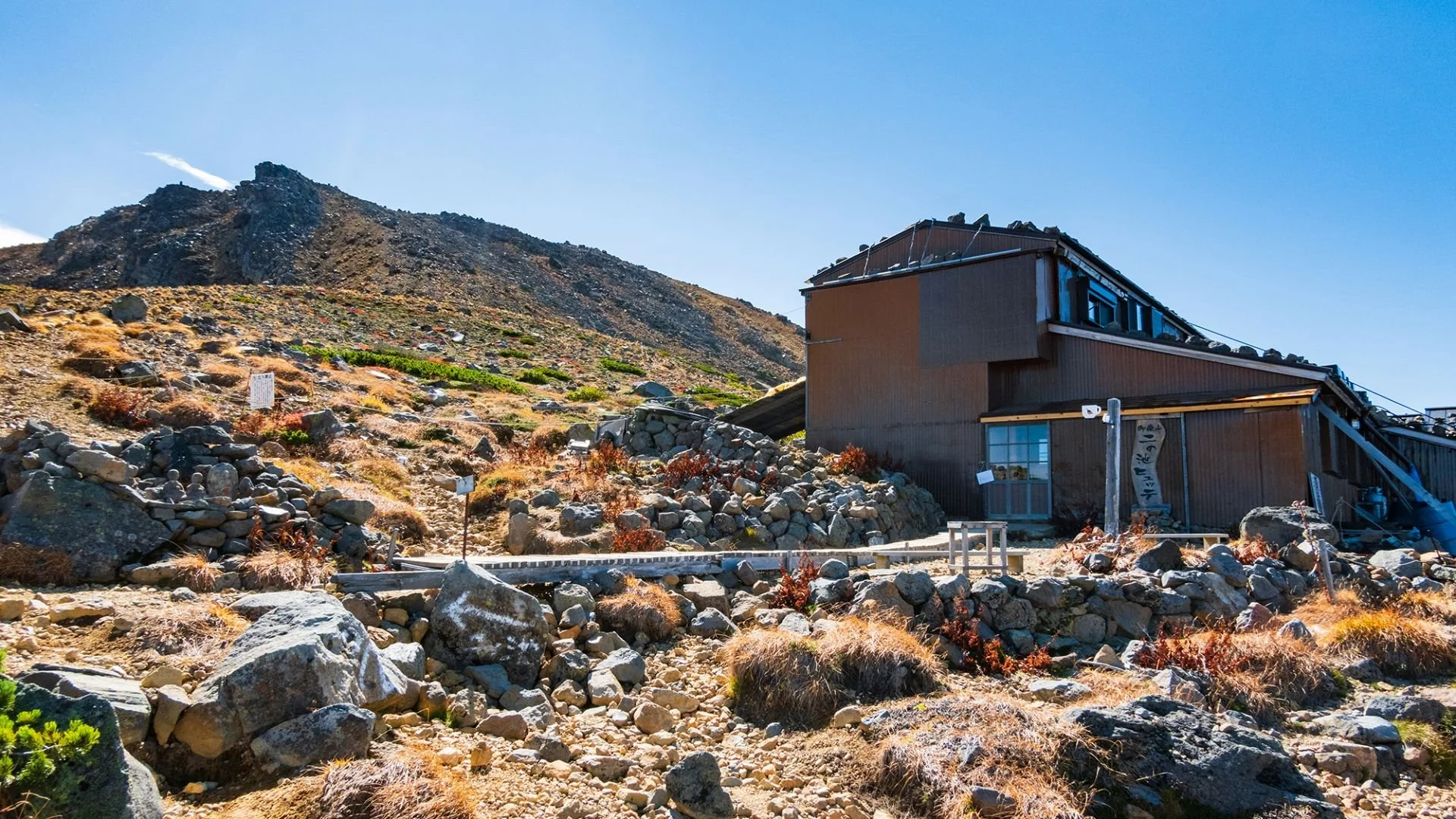
Ninoike Hutte (二ノ池ヒュッテ)
Ninoike Hutte is a high-altitude mountain hut located near Nino-ike (Second Crater Lake) on Mt. Ontake, one of Japan’s major volcanic mountains. Its role is very clear: it’s a summit-zone staging base—ideal for splitting a long Ontake ascent, catching sunrise above the cloud layer, and positioning yourself close to the crater-lake area for early starts.
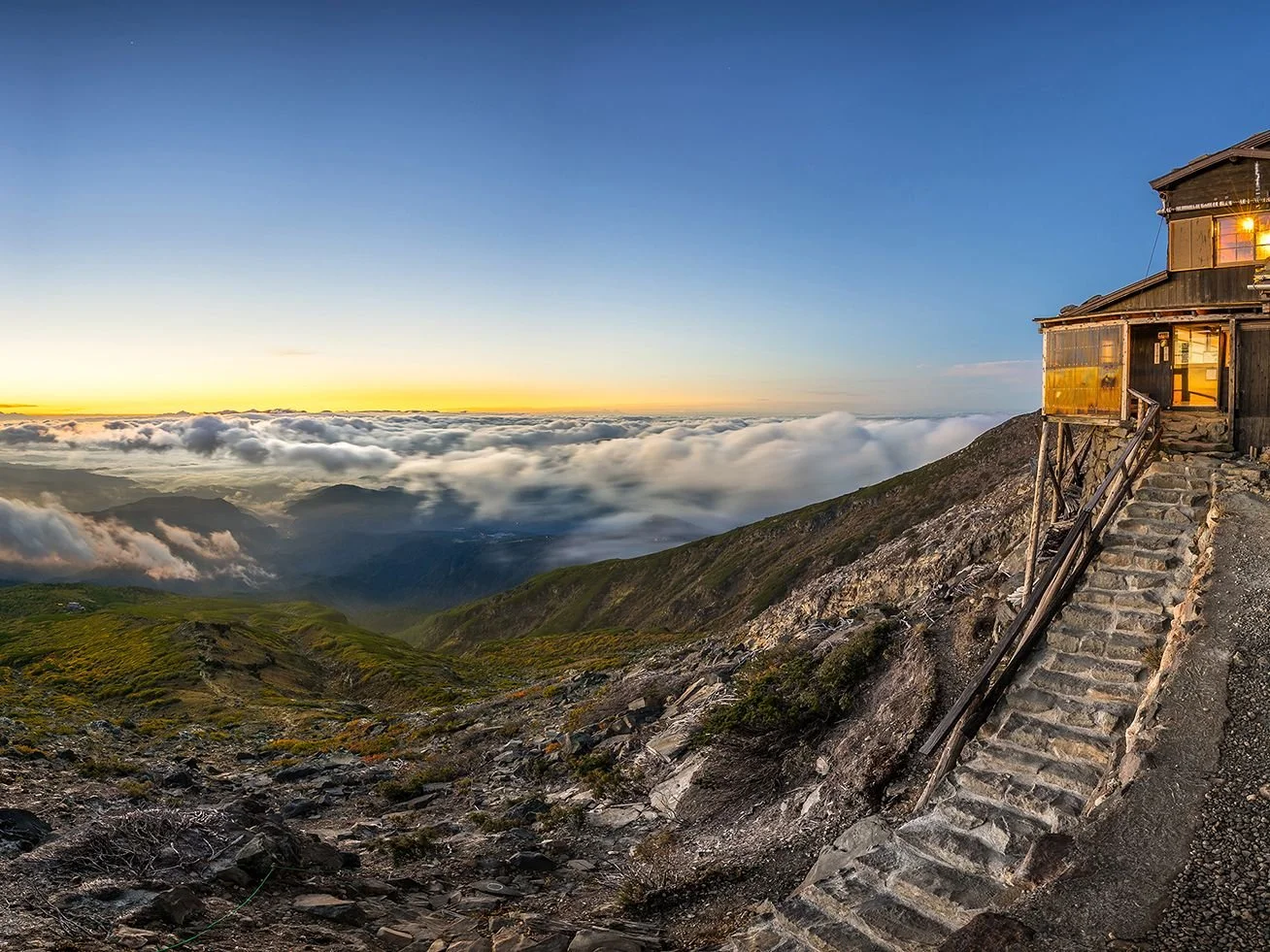
Ishimuro-sanso (石室山荘)
Ishimuro-sanso is a classic high-altitude mountain hut on Mt. Ontake (御嶽山), positioned around the 9th station (Kurosawa-guchi). It’s a strategic staging stop for hikers moving between the ropeway side and the upper crater/summit area—especially useful for splitting the climb, managing fatigue, and timing weather windows on an active volcano where access restrictions can change.
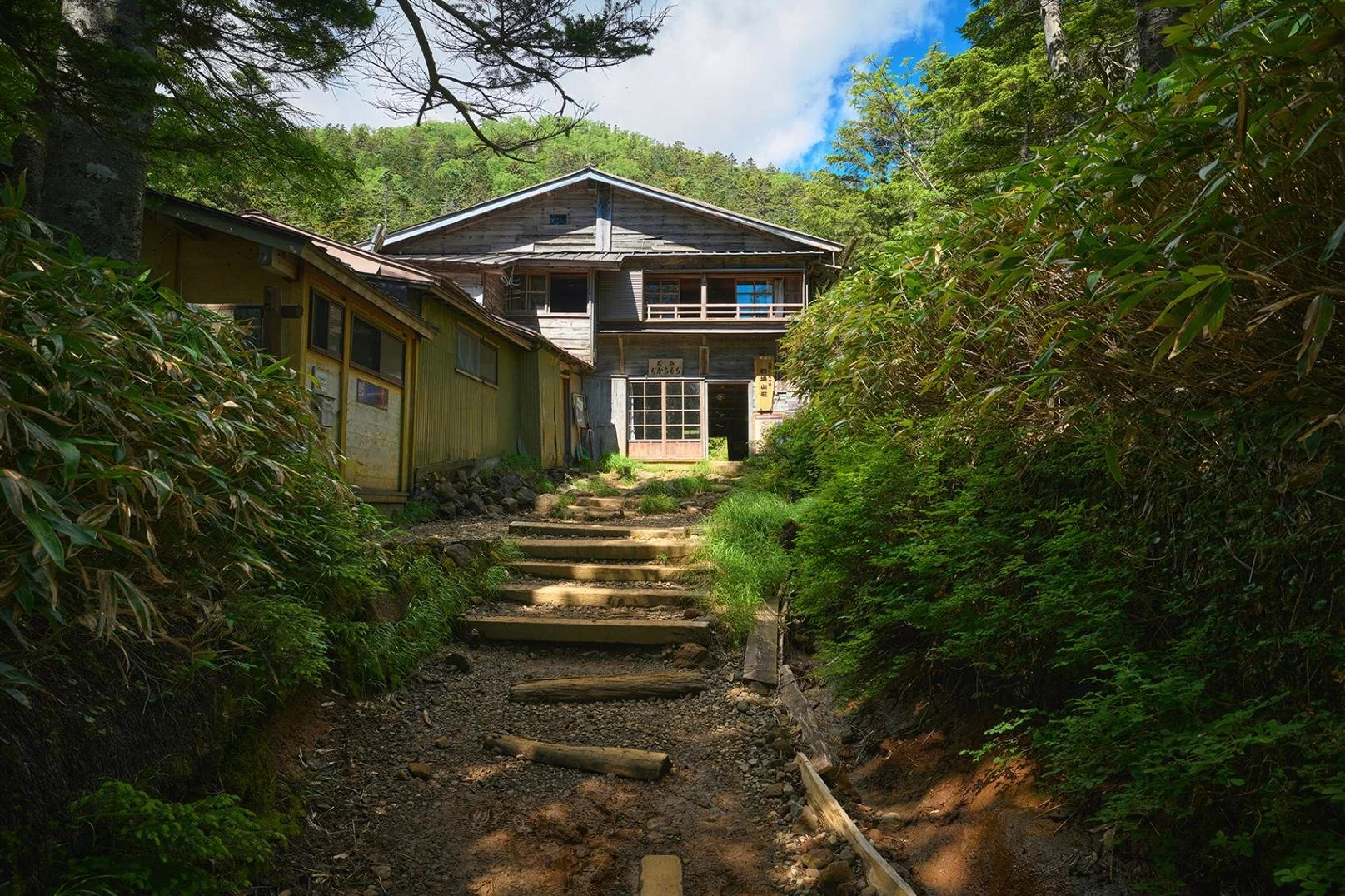
7th Station Gyoba-sanso (七合目 行場山荘)
7th Station Gyoba-sanso is a well-known mountain hut on Mt. Ontake (御嶽山), located on the Kurosawa Trail (黒沢口) near the ropeway side. It’s a practical first overnight / staging stop for hikers continuing toward higher huts such as Nyonin-do and beyond—especially useful for pacing, altitude adaptation, and weather-window planning on a volcanic mountain.
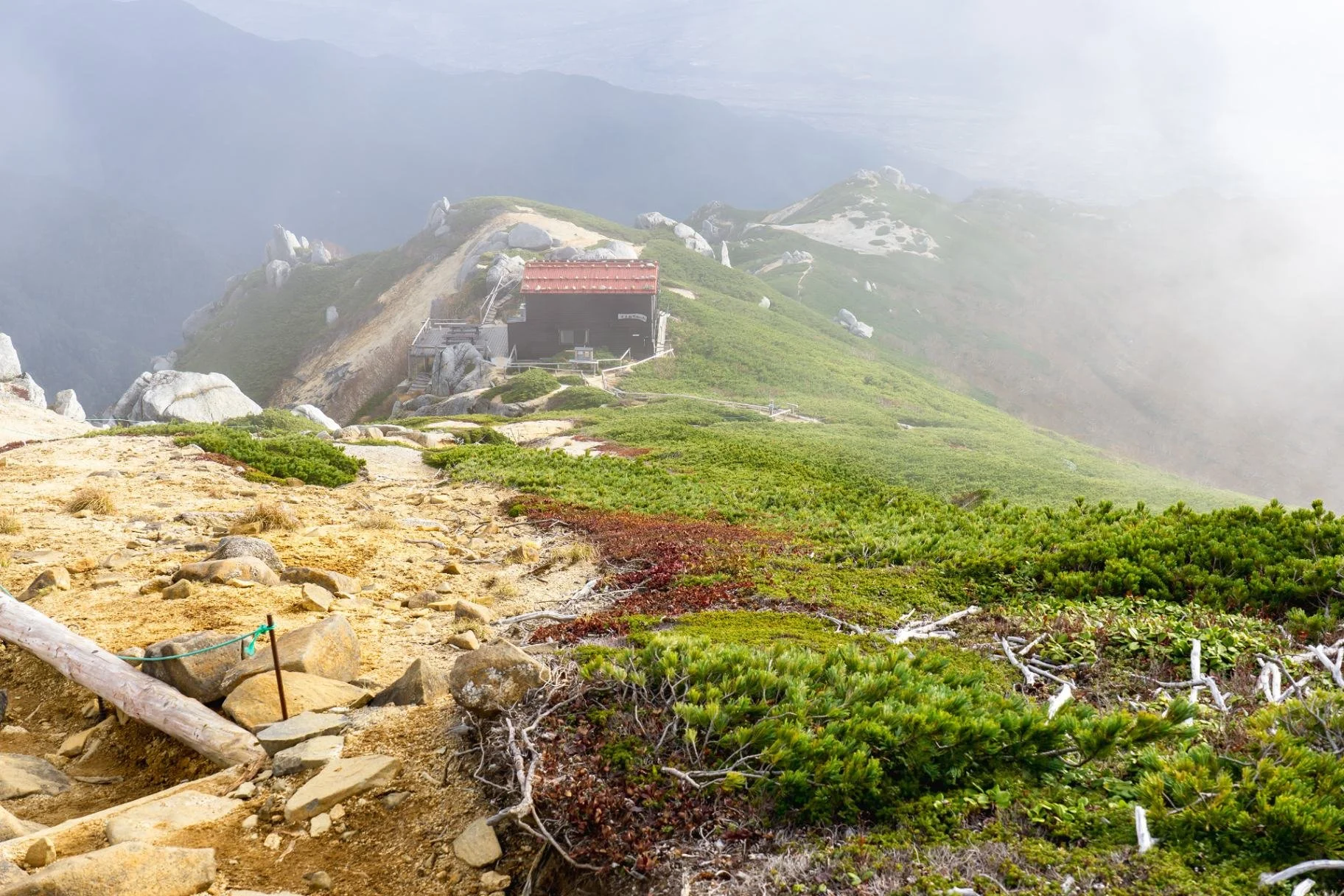
Komaho Hutte (空木駒峰ヒュッテ)
Komaho Hutte is a compact, low-impact mountain hut tucked into national forest just below Mt. Utsugi-dake in Japan’s Central Alps. It’s best treated as a pure staging hut for serious hikers: no meal service, sometimes unattended on weekdays, and operated in a “mountain association rotation” style—simple, functional, and logistics-first.
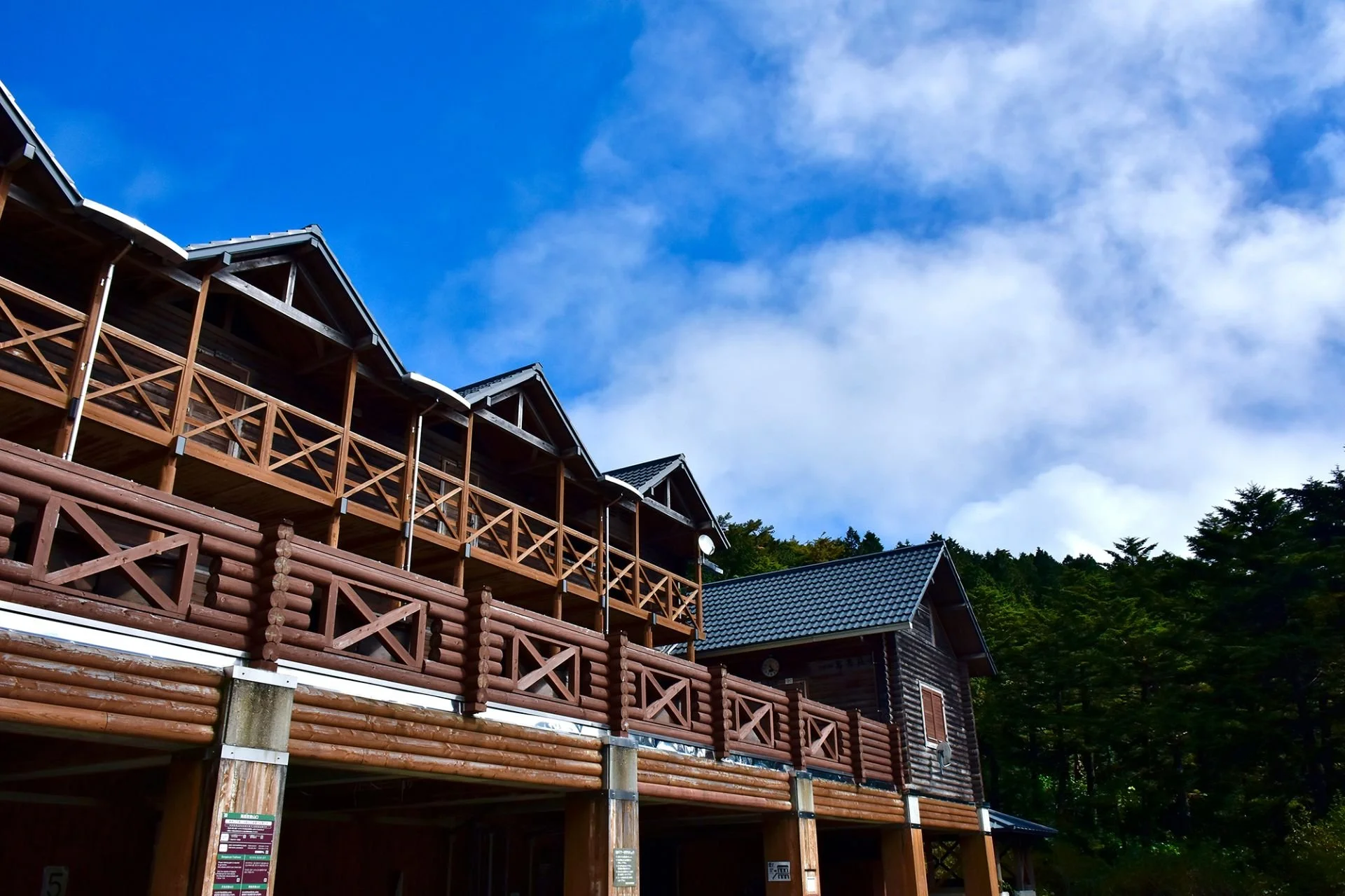
Bangaku-so (萬岳荘)
Bangaku-so is a well-known mountain hut on Fujimidai Plateau in Achi Village (Nagano)—a place often associated with wide-open highland scenery and night-sky viewing. It’s a practical base before/after Mt. Ena (Ena-san) hikes, and it’s also used as a “plateau stay” for people who want an easy-access mountain night with big horizons.
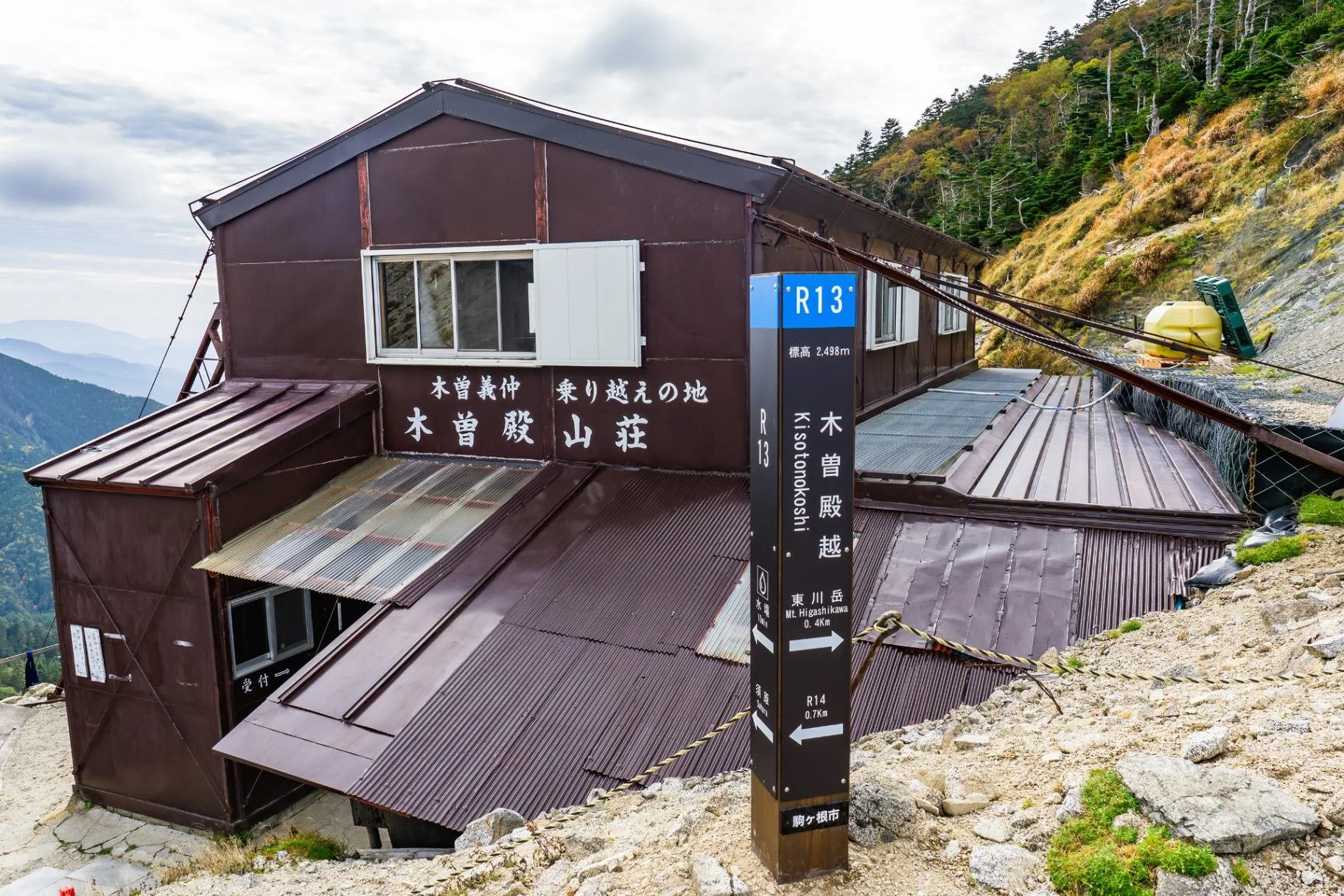
Kisodono-sanso (木曽殿山荘)
Kisodono-sanso is a strategically placed mountain hut on the Central Alps ridgeline, built on Kisodono-koshi, the saddle between Mt. Utsugi-dake and Mt. Higashikawa-dake. It’s a classic traverse-stage base: you use it to split long ridge days, manage weather windows, and avoid committing to an overlong push across exposed terrain.
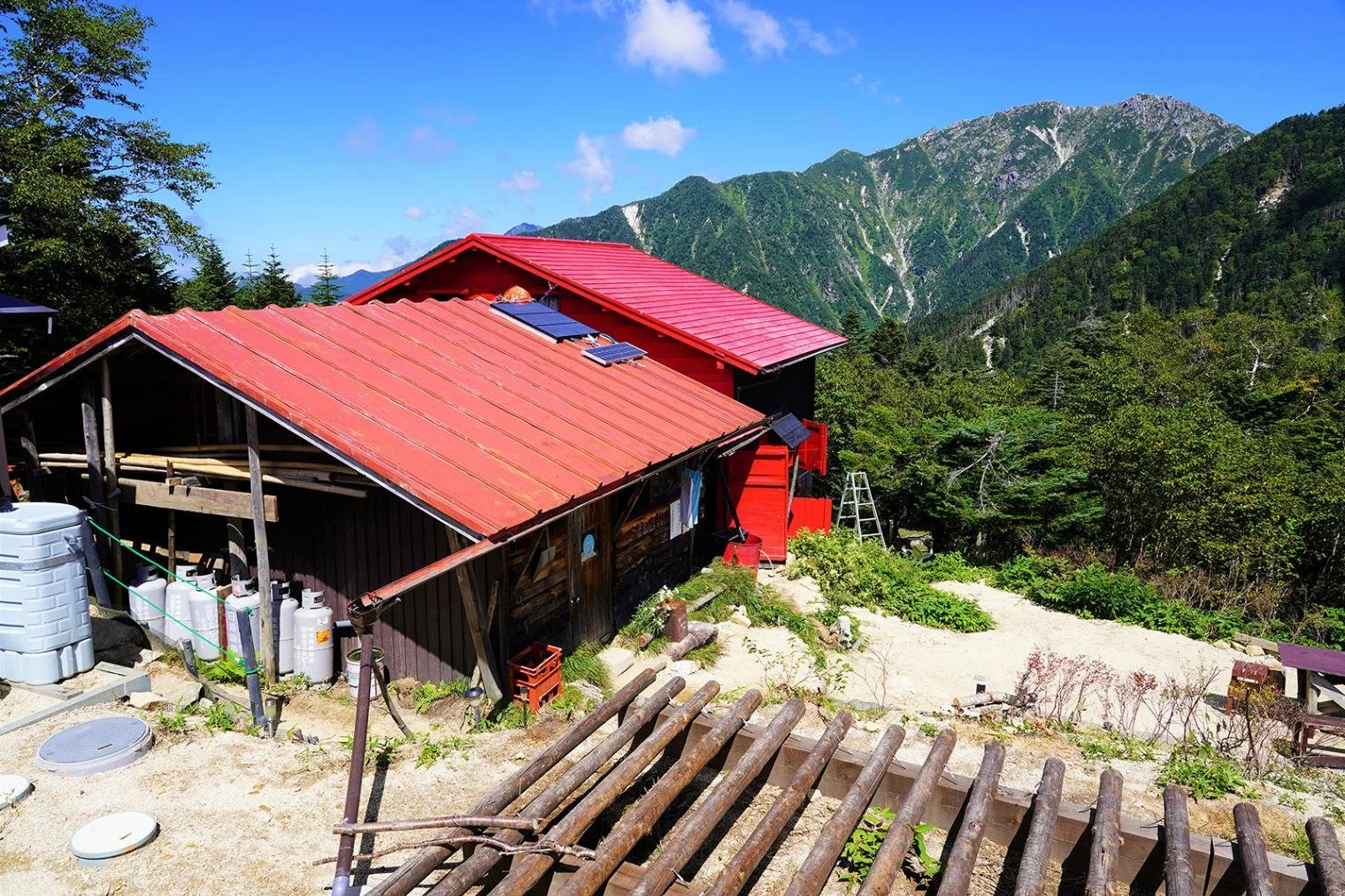
Kosumo-goya (越百小屋)
Kosumo-goya is a compact, welcoming mountain hut in Japan’s Central Alps, positioned on the ridge route between Mt. Kosumo-yama (越百山) and Mt. Fukutogiyama (福栃山, 2,436 m). It’s known for a “home-like” atmosphere, but operationally it’s very strict: complete reservation-only.
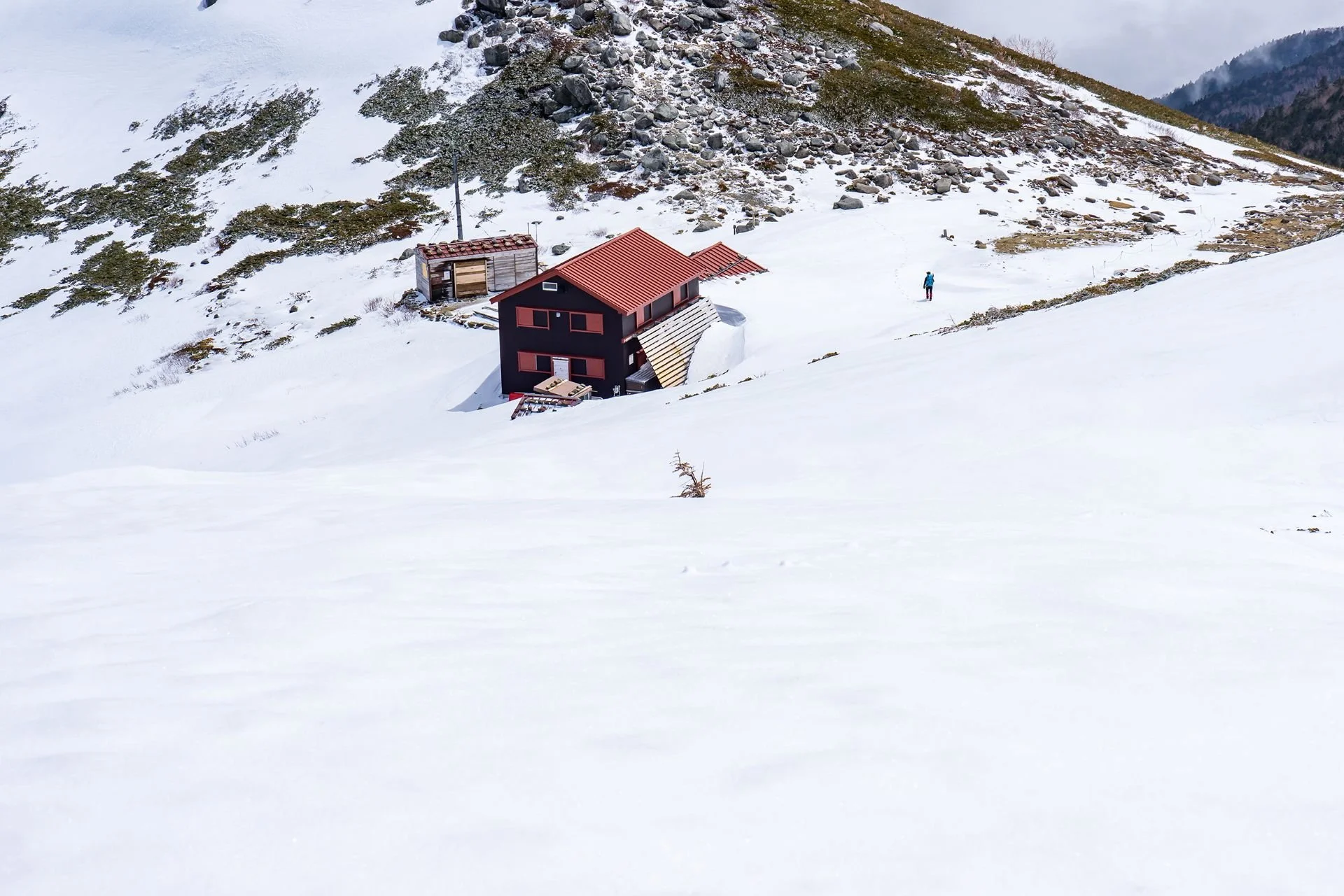
Nishikoma-sanso (西駒山荘)
Nishikoma-sanso is a compact, reservation-based mountain hut located just below Shogigashira-yama in the northern Central Alps. It’s best used as a classic-route staging base for hikers approaching Mt. Kiso-Komagatake via the longer “old-school” mountain routes (rather than the ropeway corridor).
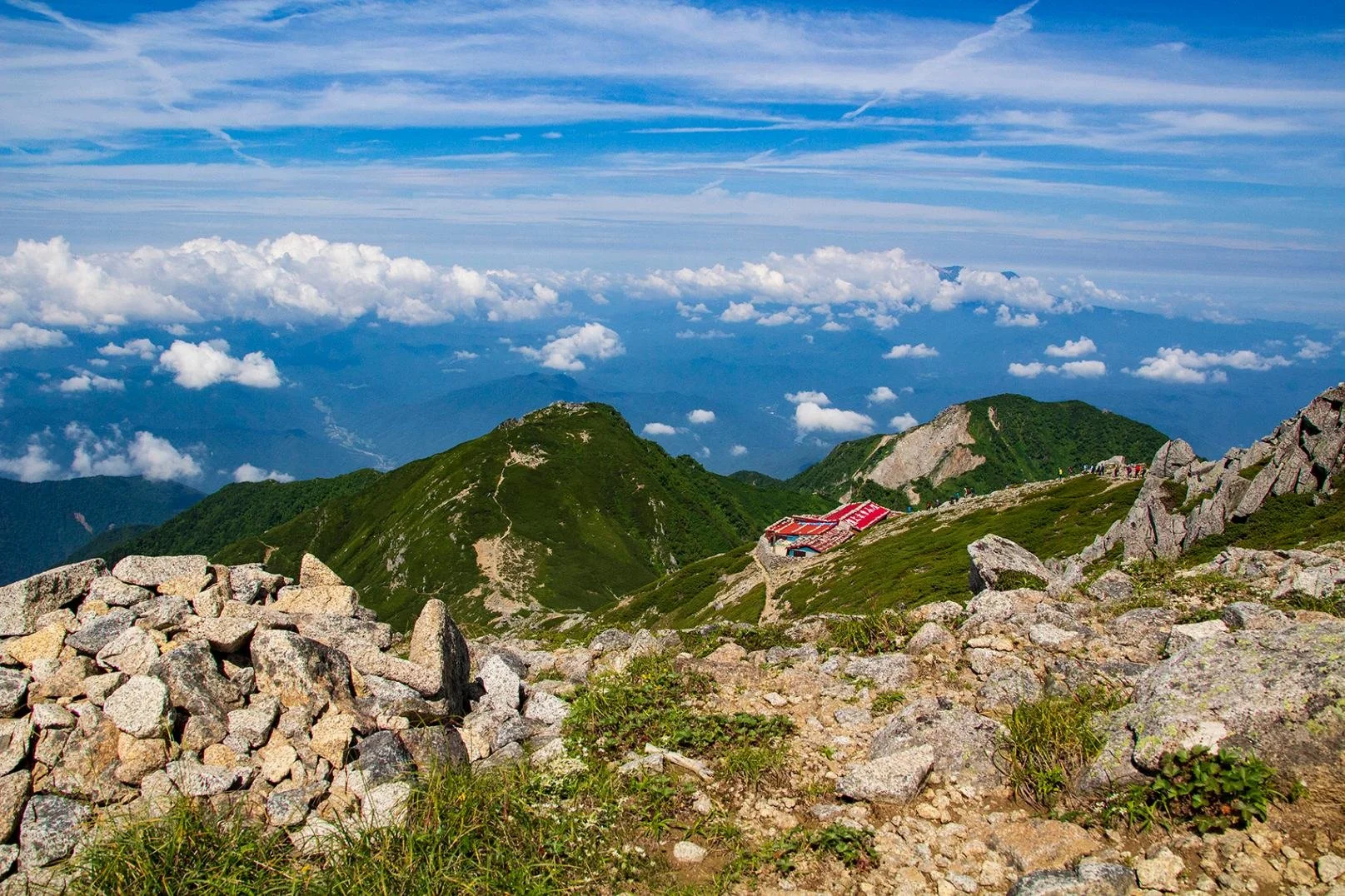
Chōjō Kiso-koya (頂上木曽小屋)
Chōjō Kiso-koya (often referred to in English as Chojo Kiso-koya) is the closest hut to the summit of Mt. Kiso-Komagatake in Japan’s Central Alps. It’s built just below the top, with the summit only a short walk away—making it a high-value base for sunrise, stargazing, and a relaxed summit schedule (especially popular when approached via the ropeway corridor).
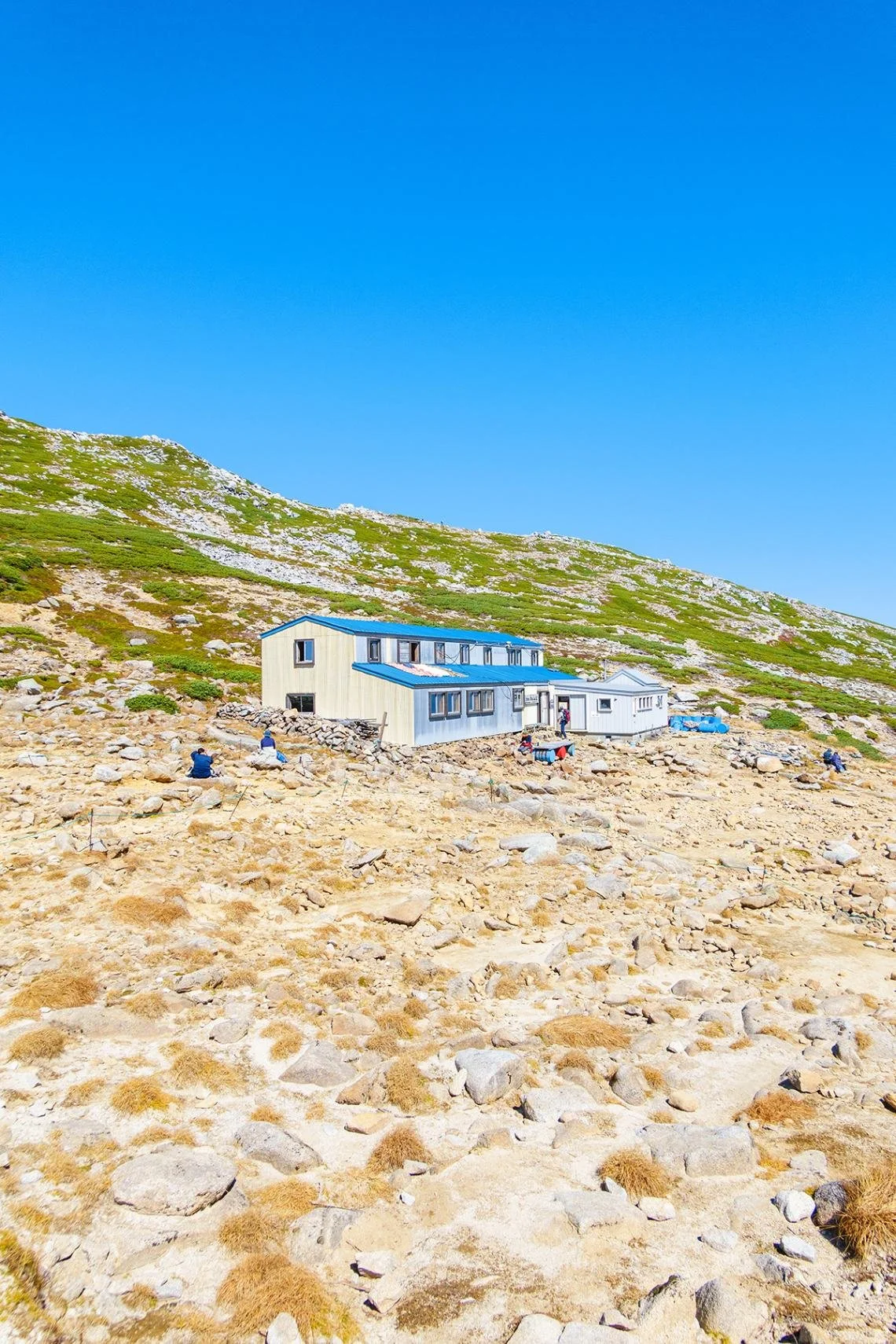
Koma-gatake Chojo-sanso (駒ヶ岳頂上山荘)
Koma-gatake Chojo-sanso is the main high-mountain hut and campsite base on Mt. Kiso-Komagatake (2,956 m) in Japan’s Central Alps. Thanks to the nearby Senjojiki ropeway corridor, it’s one of the most accessible places to sleep close to 3,000 m—making it a practical staging point for sunrise / summit pushes, and for longer ridge plans linking the Central Alps crest.
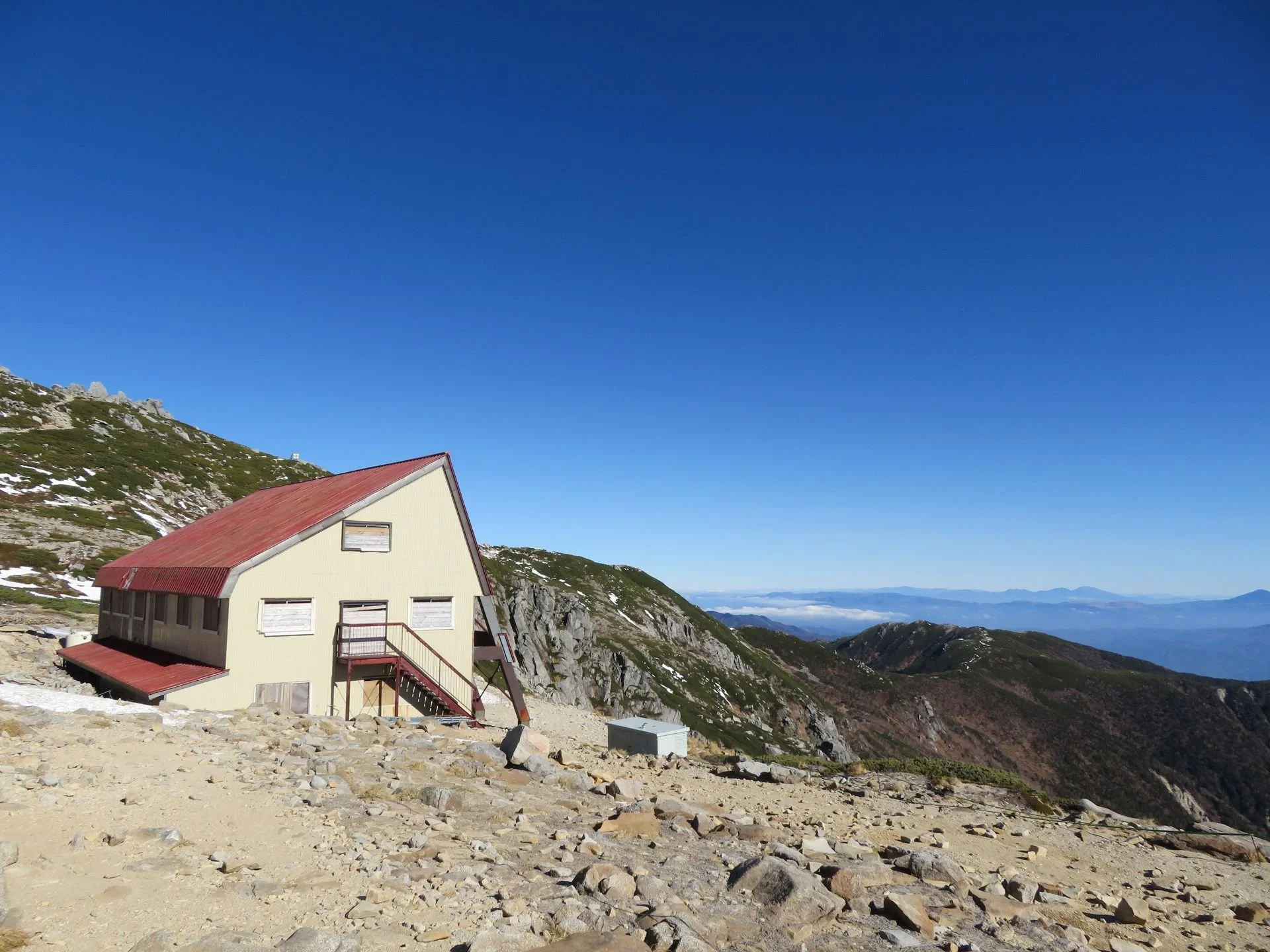
Tengu-so (天狗荘)
Tengu-so (天狗荘) is a ridge-stage mountain hut in Japan’s Central Alps, located right next to Hoken Sanso at Norikoshi Jodo. Unlike many huts that combine lodging with a busy café/day-use vibe, Tengu-so is primarily an overnight-focused hut, often used by groups and trekkers who want a slightly quieter stay while keeping the same strategic access to the Kisokoma-ga-take / Hokendake junction and Central Alps ridgeline.
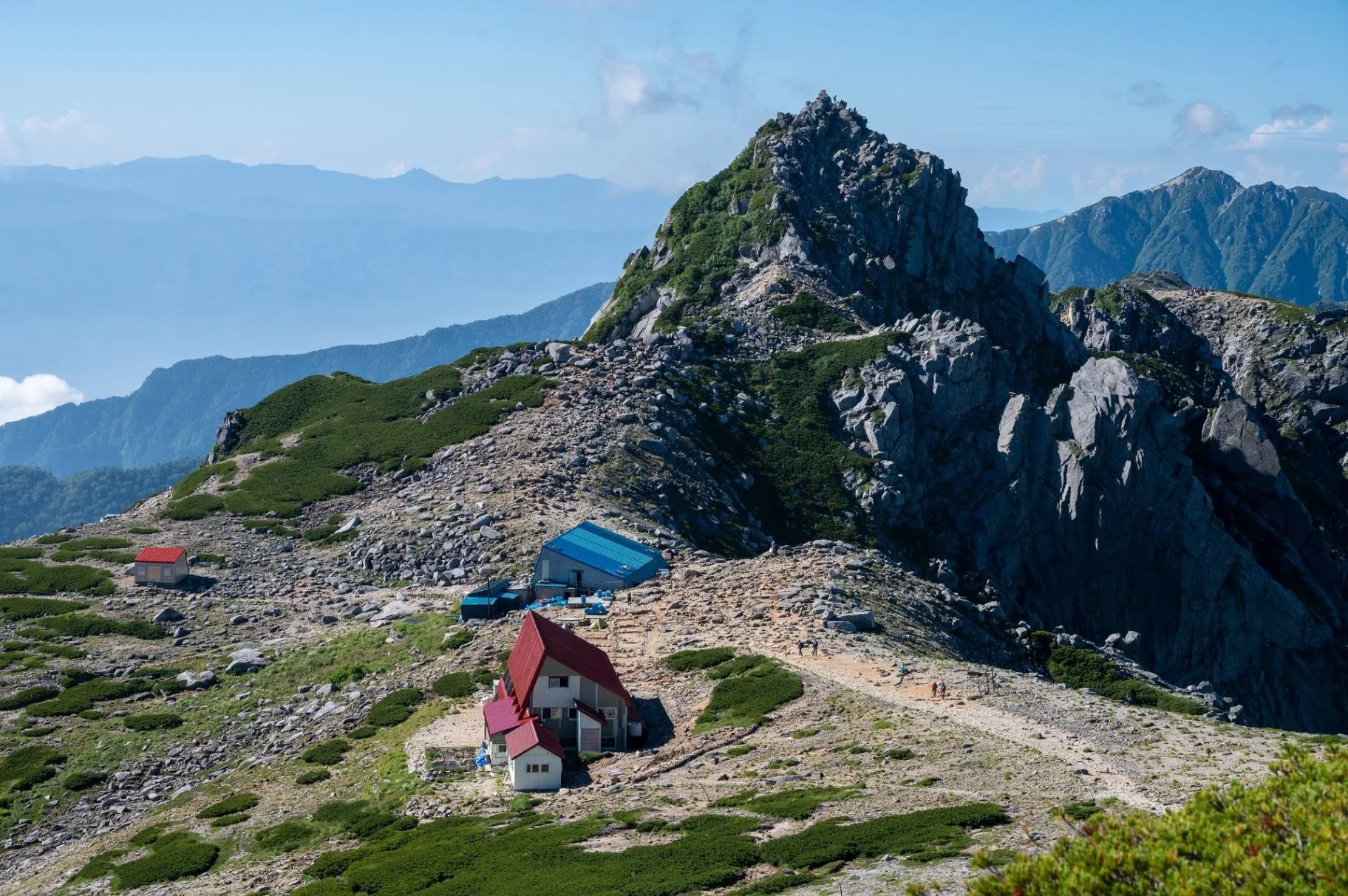
Hoken Sanso (宝剣山荘)
Hoken Sanso is a major ridge-stage mountain hut in Japan’s Central Alps, sitting at Norikoshi Jodo—the key junction where trails split toward Mt. Kisokoma-ga-take and Mt. Hokendake. Because it’s on the main ropeway-accessed alpine corridor, it functions as a high-throughput logistics base: a practical overnight for summit pushes, traverse stages, and weather-window timing rather than a “quiet retreat.”