Chōjō Kiso-koya (頂上木曽小屋)
0264-52-3882
☎️
0264-52-3882 ☎️
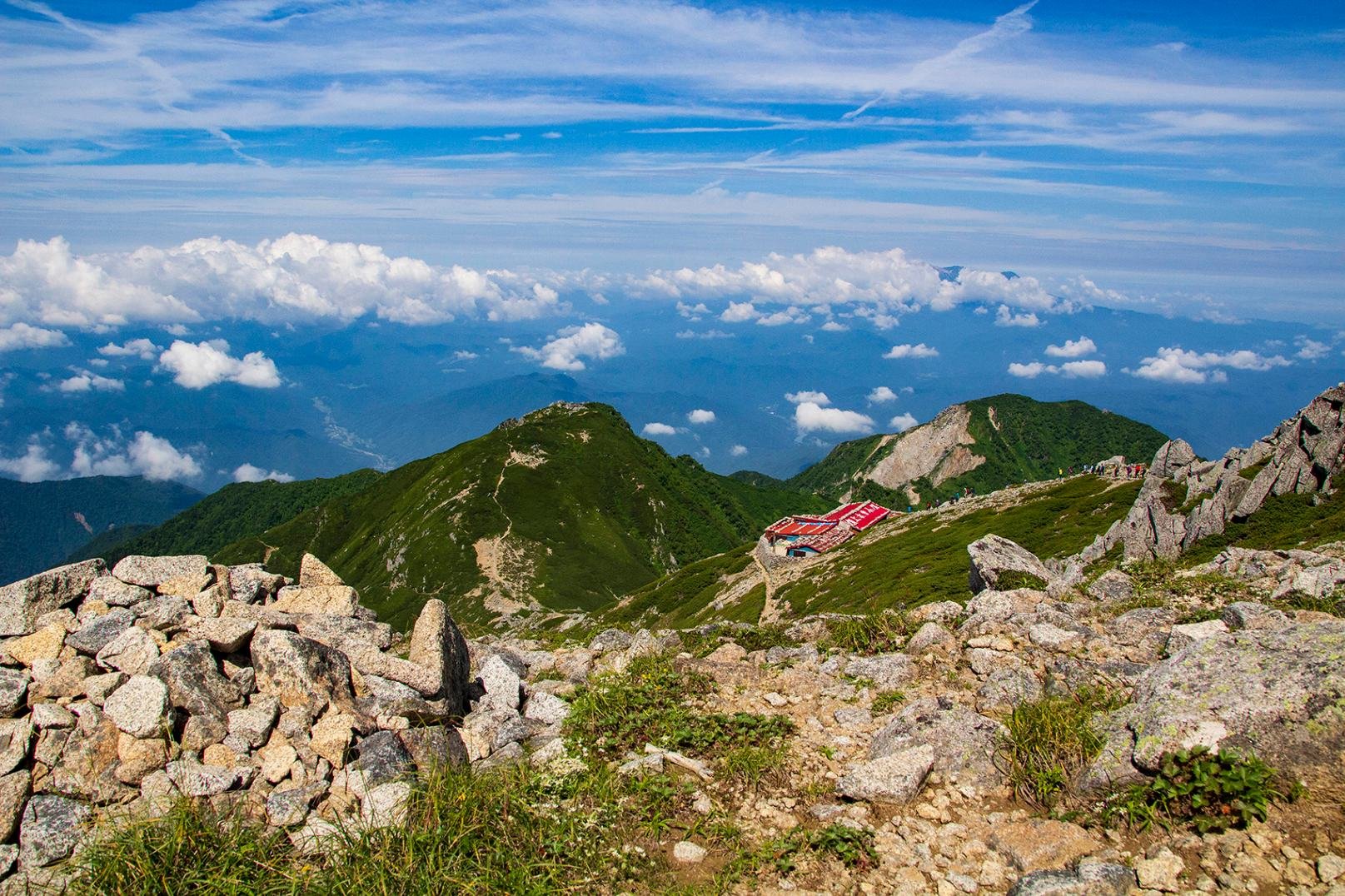
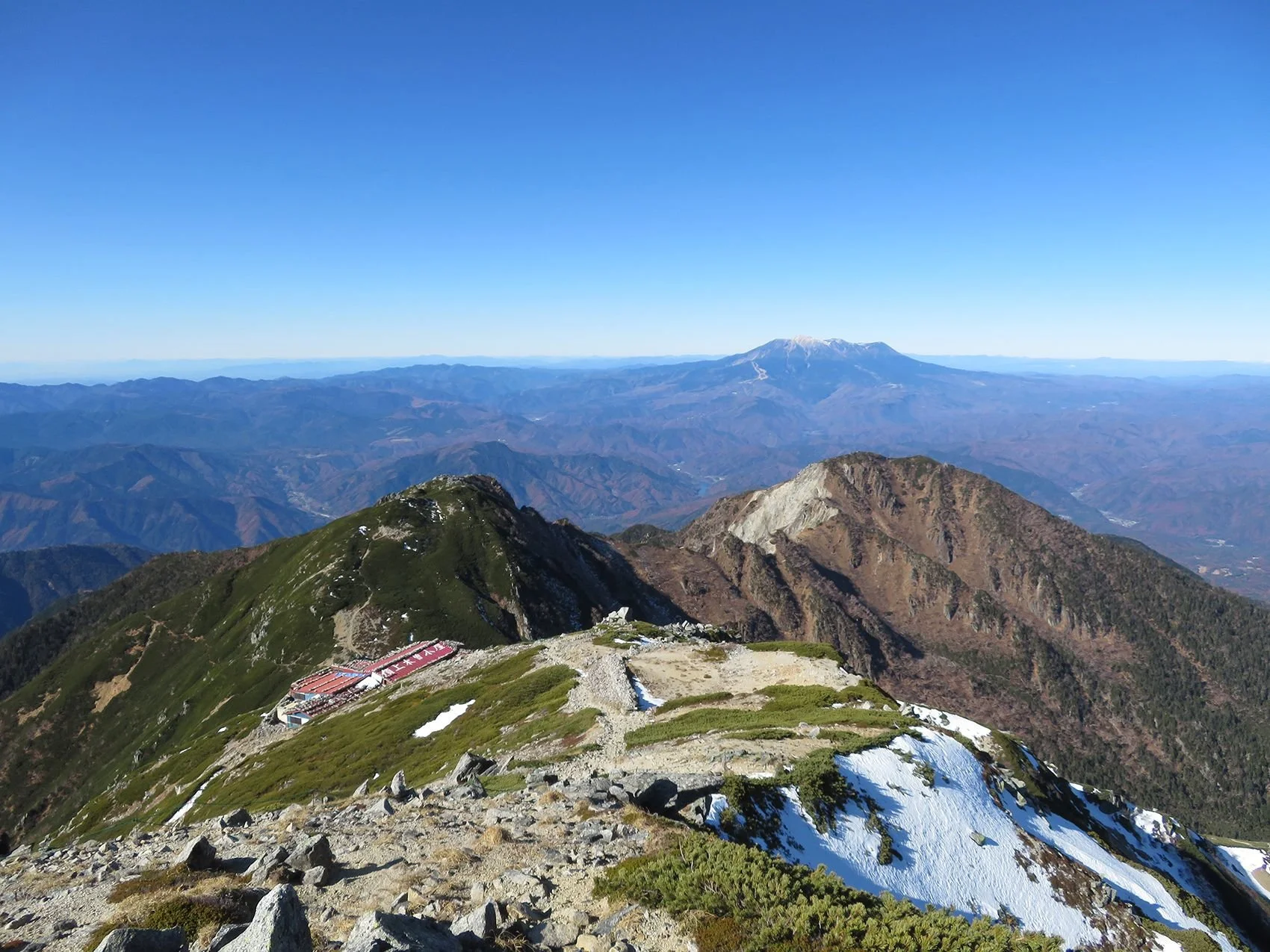
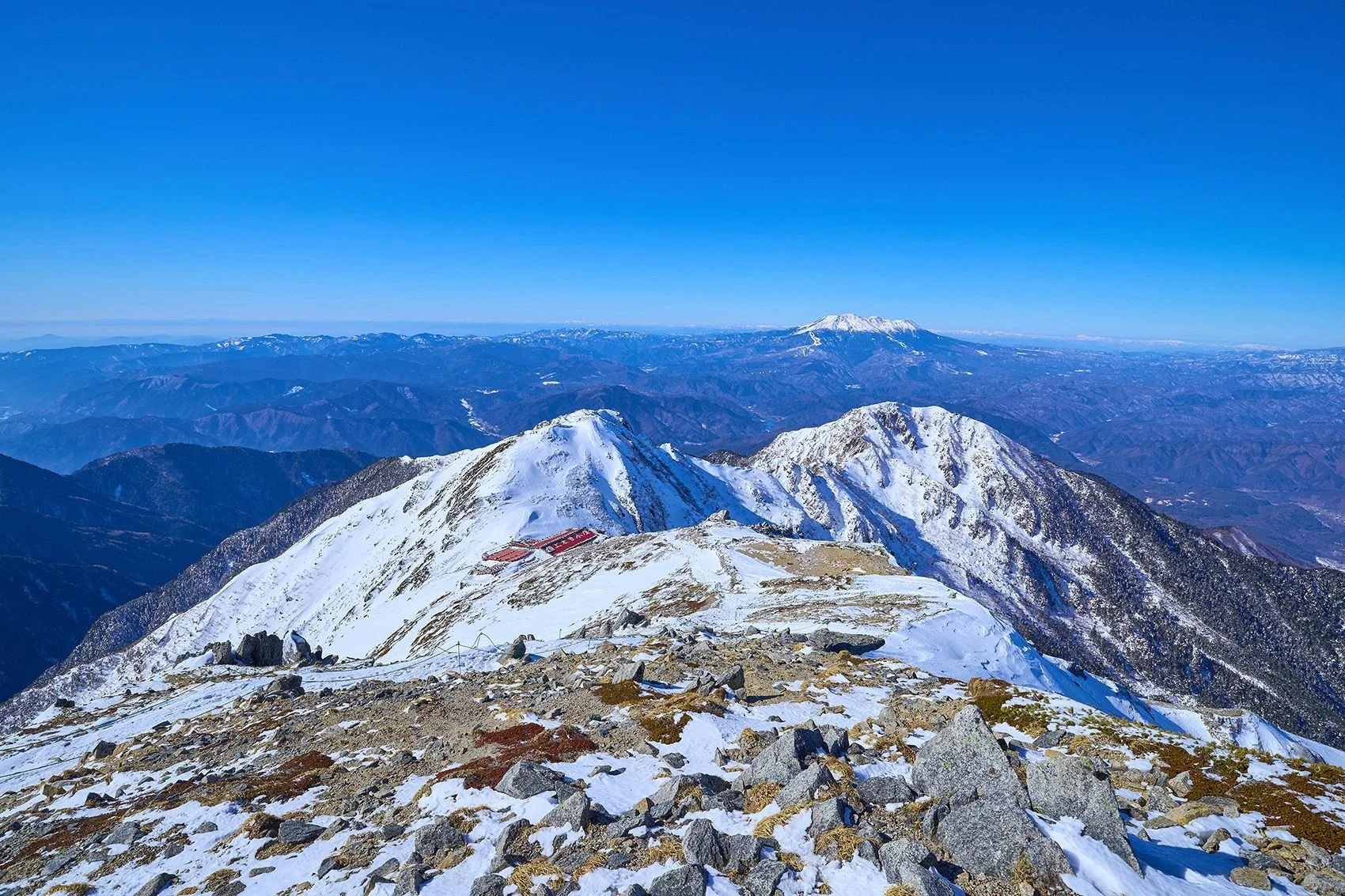
Chōjō Kiso-koya (often referred to in English as Chojo Kiso-koya) is the closest hut to the summit of Mt. Kiso-Komagatake in Japan’s Central Alps. It’s built just below the top, with the summit only a short walk away—making it a high-value base for sunrise, stargazing, and a relaxed summit schedule (especially popular when approached via the ropeway corridor).
-
Location: Just below the summit of Mt. Kiso-Komagatake (Central Alps), Japan
Altitude: 2,956.3 m (summit-adjacent placement)
Type: Mountain hut (summit-stage hut)
Capacity: 100 sleeping places
Season: Typically Golden Week (May) + July to around mid-October (varies by year)
-
Common fast access is via the Komagatake Ropeway (Senjojiki) corridor, then up through Norikoshi Jodo toward the summit zone.
The hut is extremely close to the summit—often described as about a 5-minute walk.
-
This is a classic “top-area” hut: functional, weather-exposed, and logistics-focused.
Dormitory-style sleeping; meal plans are offered (pricing varies by plan).
Water note (important): being near the summit, water is typically managed/limited and may be sold (plan to carry what you need).
-
Because of the summit proximity, the vibe is very “summit-timed”:
early dinner / early lights-out
pre-dawn starts for sunrise
a mix of hikers and ropeway-assisted trekkers pushing to the top.
-
Chōjō Kiso-koya works best for:
Mt. Kiso-Komagatake summit staging (sunrise/sunset timing)
Short Central Alps ridge objectives from the summit area (route-dependent).
-
Best season: July–September for the most reliable “green season” conditions at ~3,000 m.
Expect cold nights and fast fog/wind shifts even in summer.
-
Hikers who want a near-3,000 m overnight with the summit right there
Photographers (sunrise, stars, cloud inversions)
Trekkers building short Central Alps itineraries around ropeway logistics.
Why This Hut Is Worth Visiting
At 2,956.3 m with 100 beds, Chōjō Kiso-koya is “infrastructure in the perfect place”: it lets you slow down the summit experience and control timing in high-alpine weather—without needing a long final push from a much lower hut.