
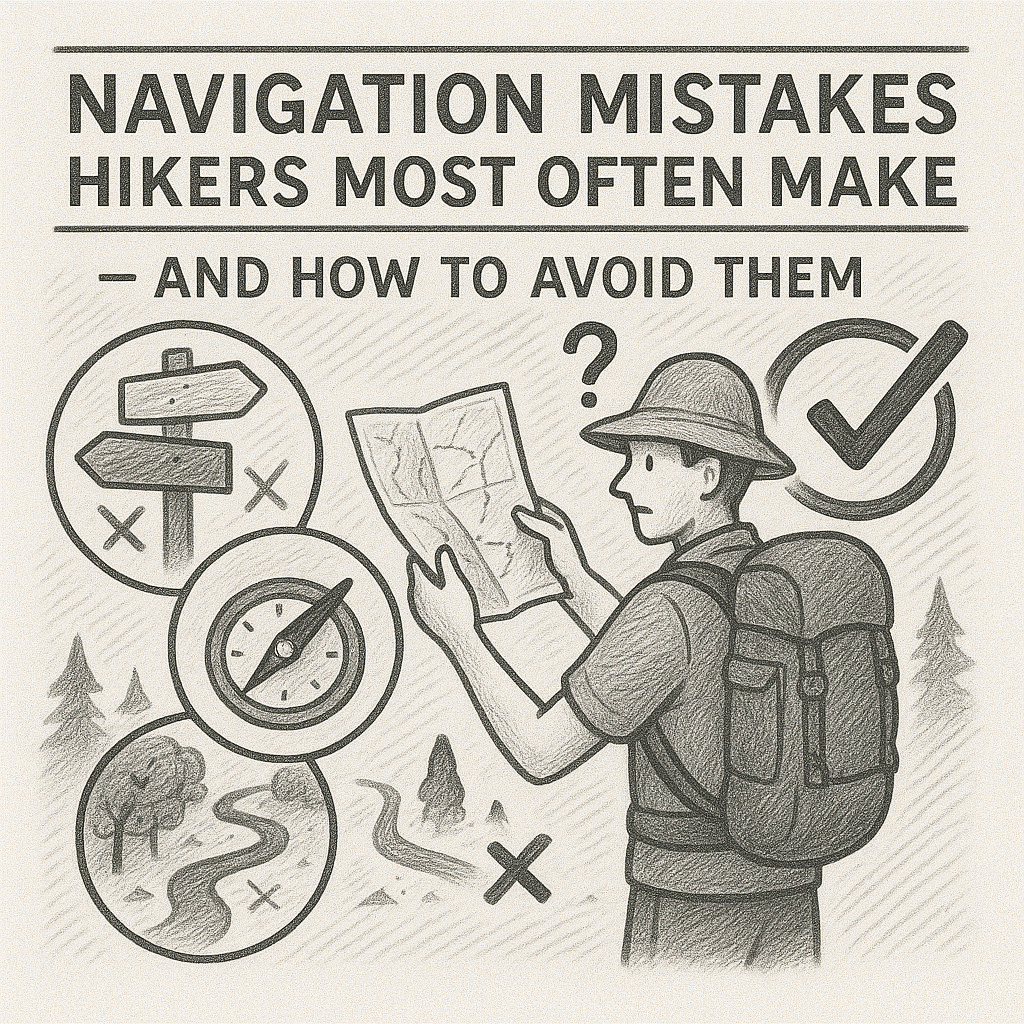
Navigation Mistakes Hikers Most Often Make — And How to Avoid Them
Navigation mistakes are common, but most can be prevented through simple habits: checking the map frequently, orienting it correctly, understanding contour lines, relying on multiple navigation tools and adjusting techniques according to terrain and visibility.
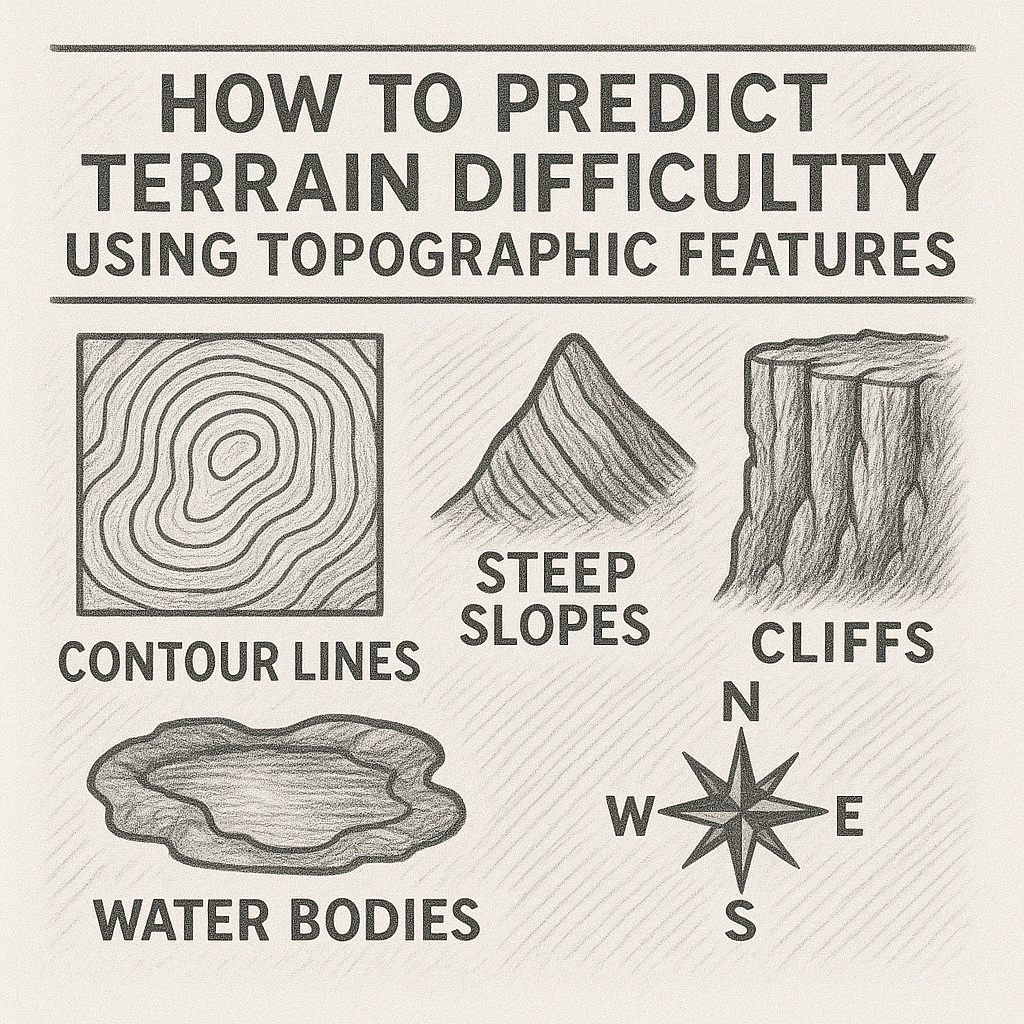
How to Predict Terrain Difficulty Using Topographic Features
Topographic maps provide a powerful preview of the terrain ahead. By interpreting contour lines, elevation changes, slope aspect and natural features, hikers can accurately predict the physical and navigational difficulty of a route.
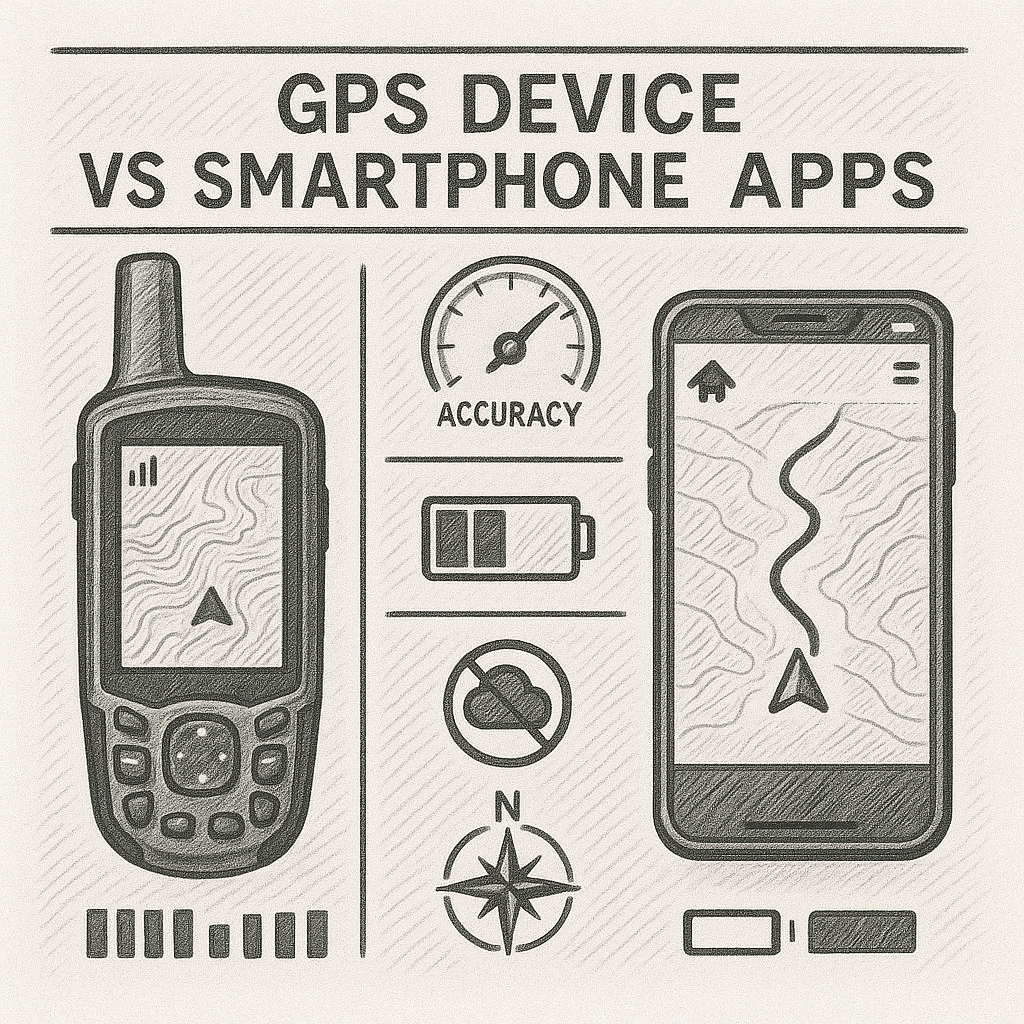
Understanding GPS Devices vs. Smartphone Apps: What Should You Trust?
Both GPS devices and smartphone apps play important roles in modern hiking. Smartphones provide convenience, powerful visual tools and excellent usability, making them ideal for most recreational hikes.
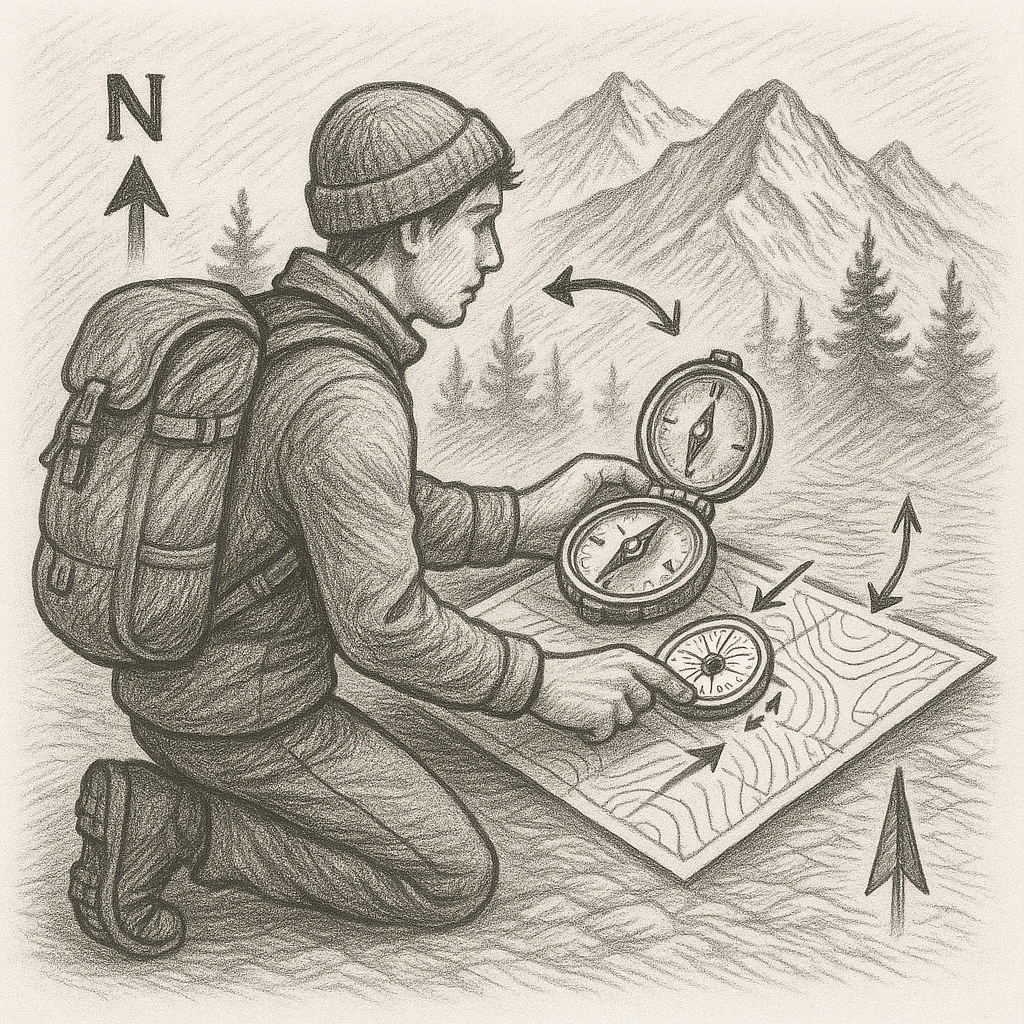
How to Use a Compass Correctly in the Mountains
Mastering this essential tool allows for more independent exploration and serves as an important safeguard against becoming disoriented in the mountains.
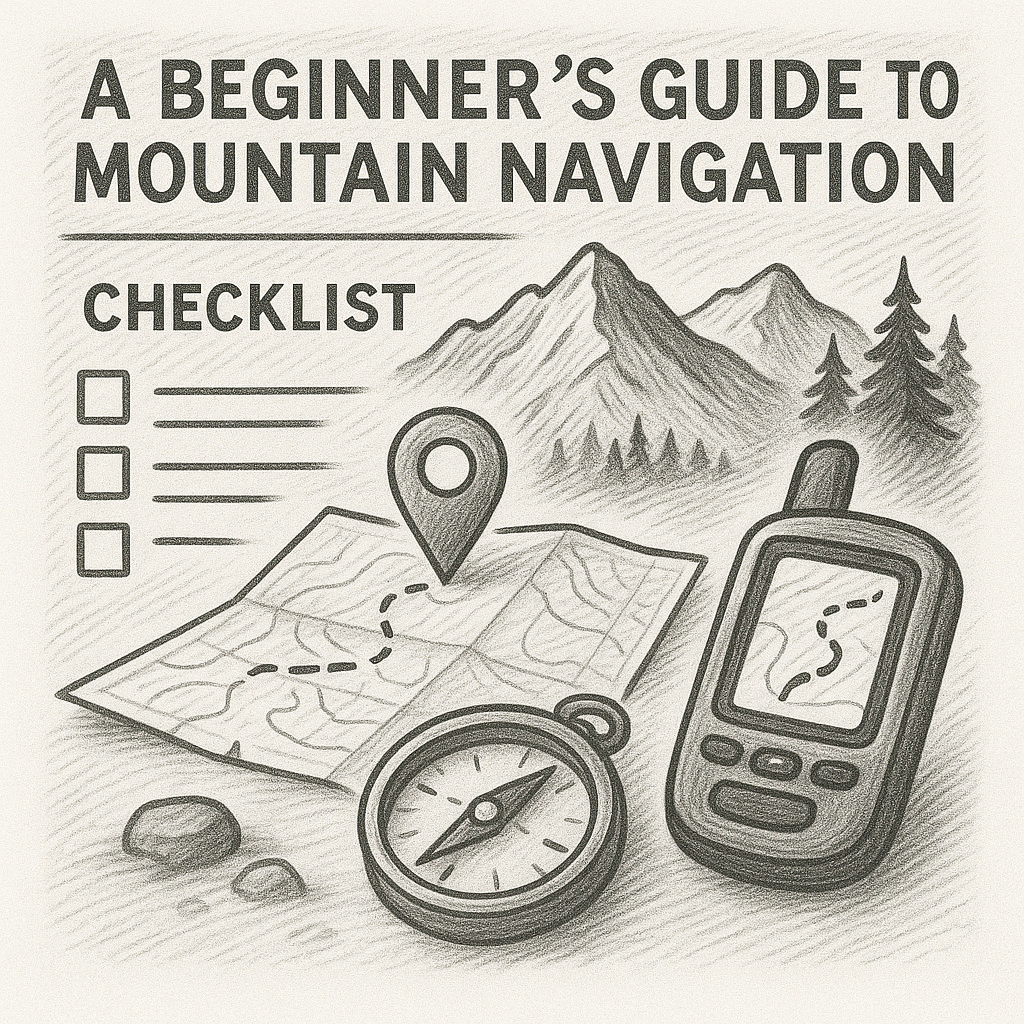
A Beginner’s Guide to Mountain Navigation
Navigation is a skill built through practice, patience and awareness. By learning to read maps, use a compass and integrate GPS tools intelligently, you significantly reduce the risk of getting lost and increase your confidence in mountain environments.