Nihon Alps Jōnen-goya (常念小屋)
090-1430-3328
☎️
090-1430-3328 ☎️
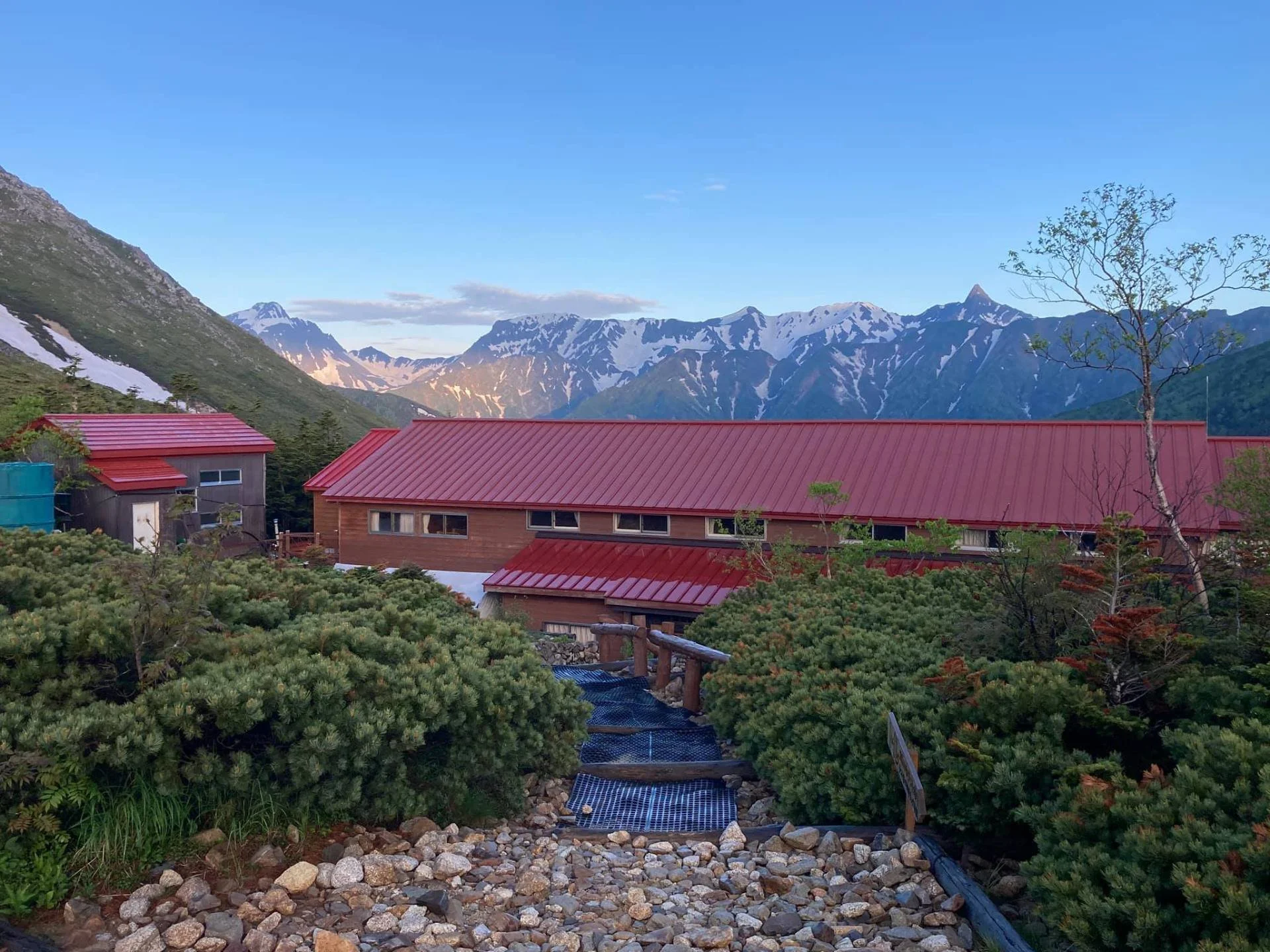
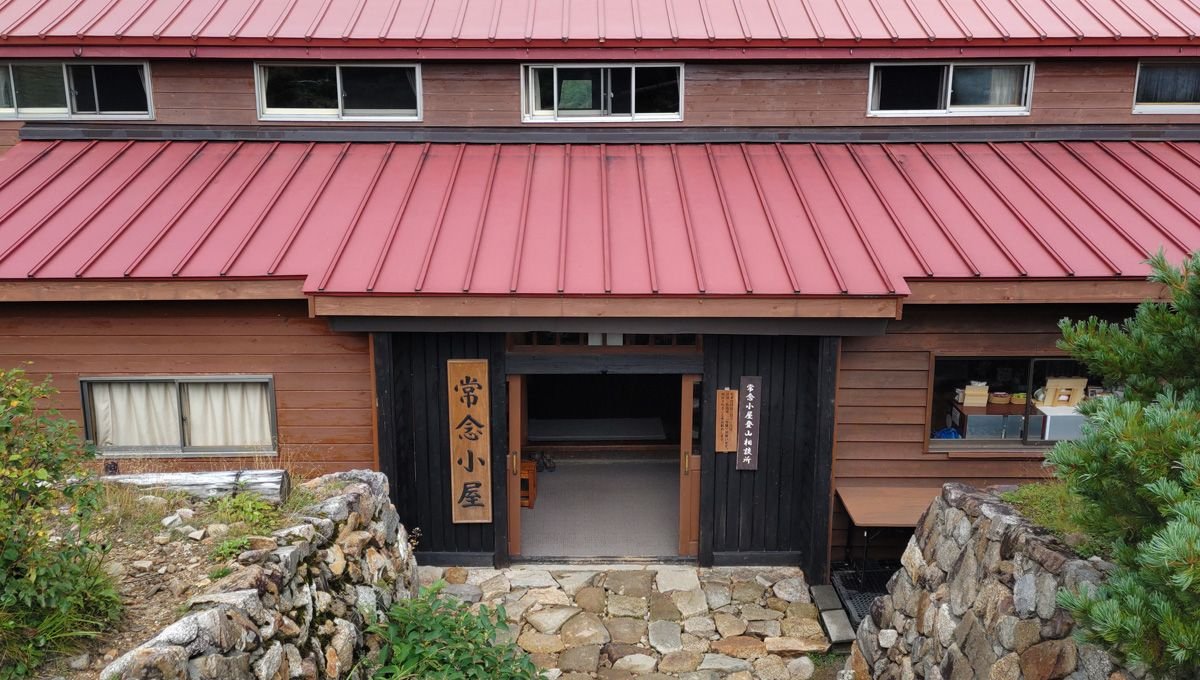
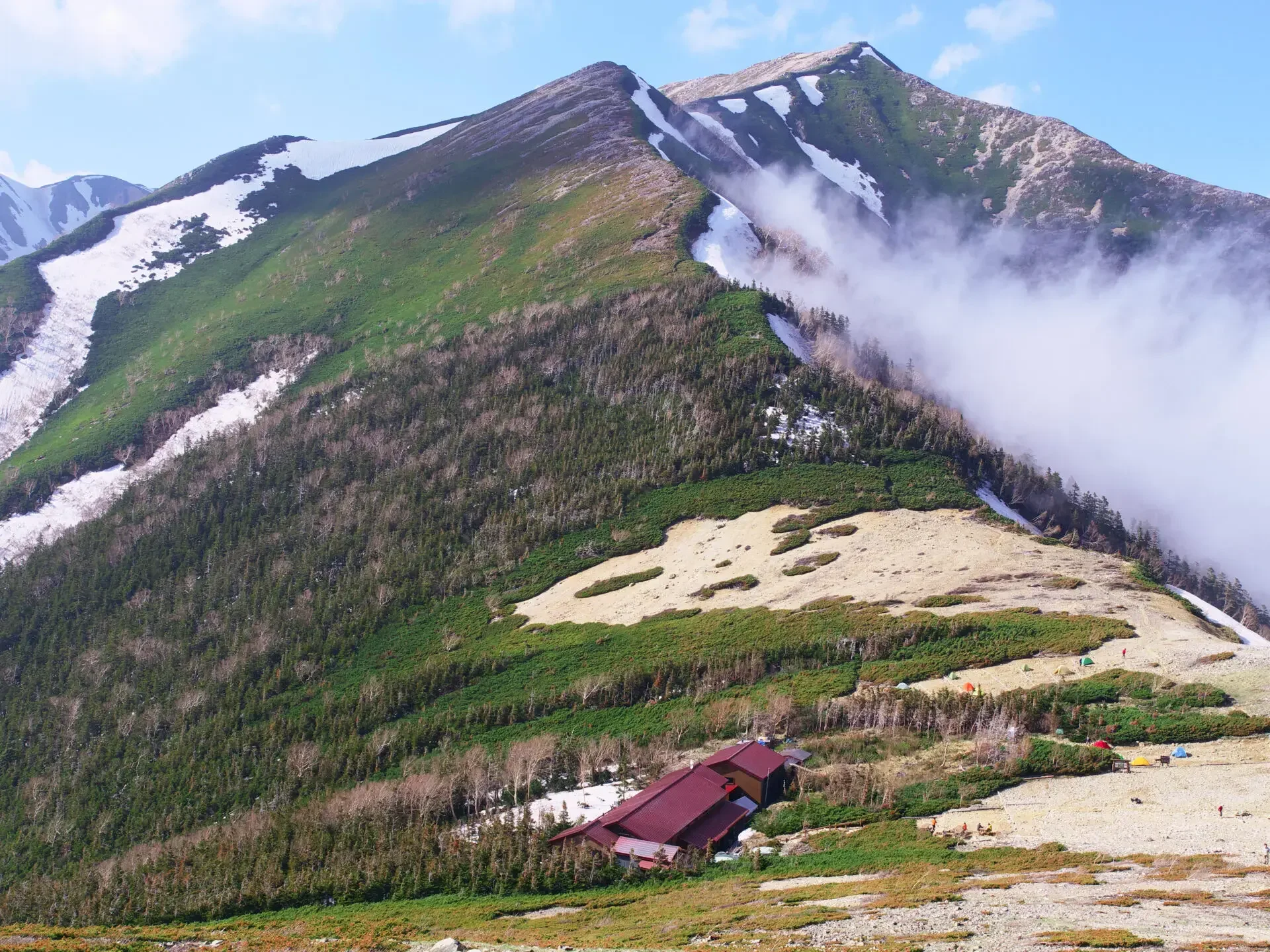
Jōnen-goya (Jonengoya) is a historic mountain hut on the Jōnen Nokkoshi saddle between Mt. Jōnen-dake and Mt. Yokotoshi in the Northern Japanese Alps. It’s famous for its front-facing panorama toward the Yari–Hotaka range and works as a high-capacity stage hut for multi-day ridge itineraries, including the Panorama Ginza traverse.
-
Location: West side of Jōnen Nokkoshi (saddle between Mt. Jōnen-dake and Mt. Yokotoshi), Azumino (Nagano), Japan
Altitude: 2,450 m
Type: Mountain hut + tent site
Capacity: 186 people (some directories round this to “~180”)
Operating period: typically late April to early November (snow-dependent)
Contact: Hut direct phone is published by the operator and regional hut directory
-
Jōnen-goya is usually reached as part of longer alpine days, via either a direct valley climb or as a ridge stage.
Common approaches include:
Ichinosawa Route (a classic direct ascent line toward the saddle/hut)
Multi-day ridge travel on the Panorama Ginza, where the hut is a key overnight between major ridge stages
Terrain is alpine hiking with exposed ridgeline conditions near the hut and summits; weather changes fast and visibility can drop quickly.
-
For a high-ridge hut, Jonengoya is well-developed and built for volume.
Large dormitory-style accommodation (high capacity)
Meals and a daytime dining/shop atmosphere are part of the experience (terrace views are frequently highlighted)
Water/toilet policy: regional hut listings note that water/tea and toilets are free for overnight guests (important on long ridge stages)
Tent site: one major hut directory lists around 70 tents
-
Jonengoya is known for its classic “ridge hut” rhythm—early dinners, early lights-out, and pre-dawn departures—yet it still feels social due to its scale and the terrace viewpoint culture (coffee/beer + Yari–Hotaka skyline).
-
Jonengoya is strategically placed for:
Mt. Jōnen-dake summit (short, steep ridge climb from the saddle)
Panorama Ginza ridge traverses linking toward Chōgatake and beyond (itinerary-dependent)
-
Best season: July–September for the most reliable “green season” ridge conditions.
Shoulder seasons: the hut can operate from late April, but snow and winter-like hazards can persist—plan accordingly and check current trail conditions before committing.
-
Multi-day trekkers on the Panorama Ginza
Hikers targeting Mt. Jōnen-dake who want to split the climb
Campers who want a high, organized tent base with hut logistics nearby
Why This Hut Is Worth Visiting
At 2,450 m with 186 beds, Jonengoya is “infrastructure in the right place”: a high-capacity ridge hub that makes big traverse itineraries more manageable—while delivering one of the most iconic Yari–Hotaka view terraces in the Northern Japanese Alps.