
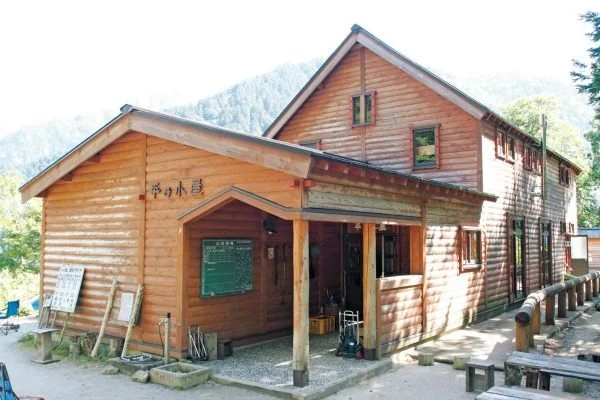
Taira-no-koya (Hirano-koya)
Taira-no-koya (also written Hirano-koya / 平乃小屋) is a unique lakeside mountain hut on the west shore of Lake Kurobe, created after the Kurobe Dam was completed in 1963. What makes it special is its role as a logistics hub: the hut is associated with the boat crossing that links the lakeside route with Harinoki Valley—a key connector for long traverses in the Northern Japanese Alps.
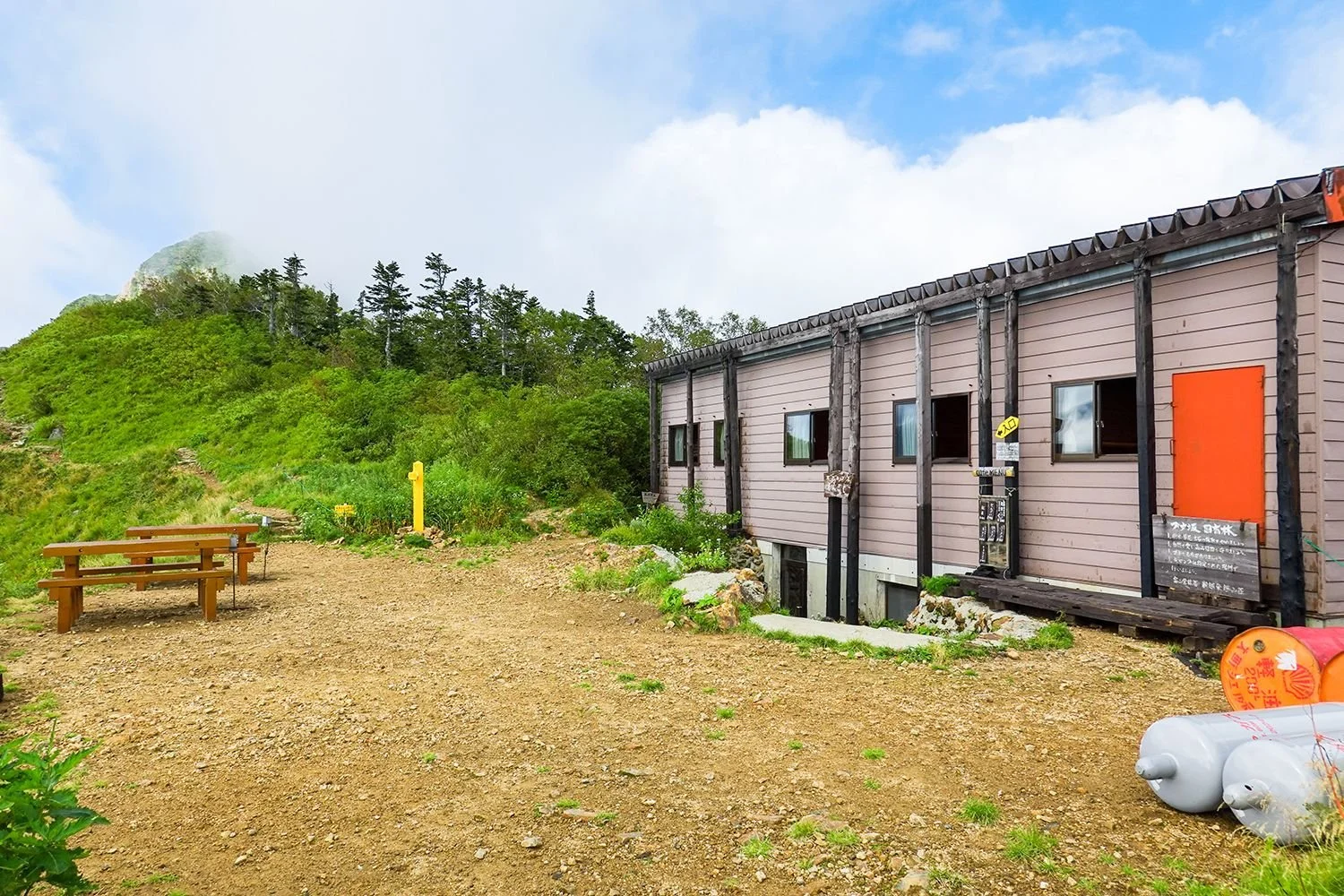
Shinkoshi-sanso (新越山荘)
Shinkoshi-sanso is a classic ridge-stage hut on the Harinoki-dake ↔ Jiigatake ridgeline in the Northern Japanese Alps. It’s built for continuity on long traverses: a reliable roof, meals, and a place to reset before committing to the next exposed ridge stage.
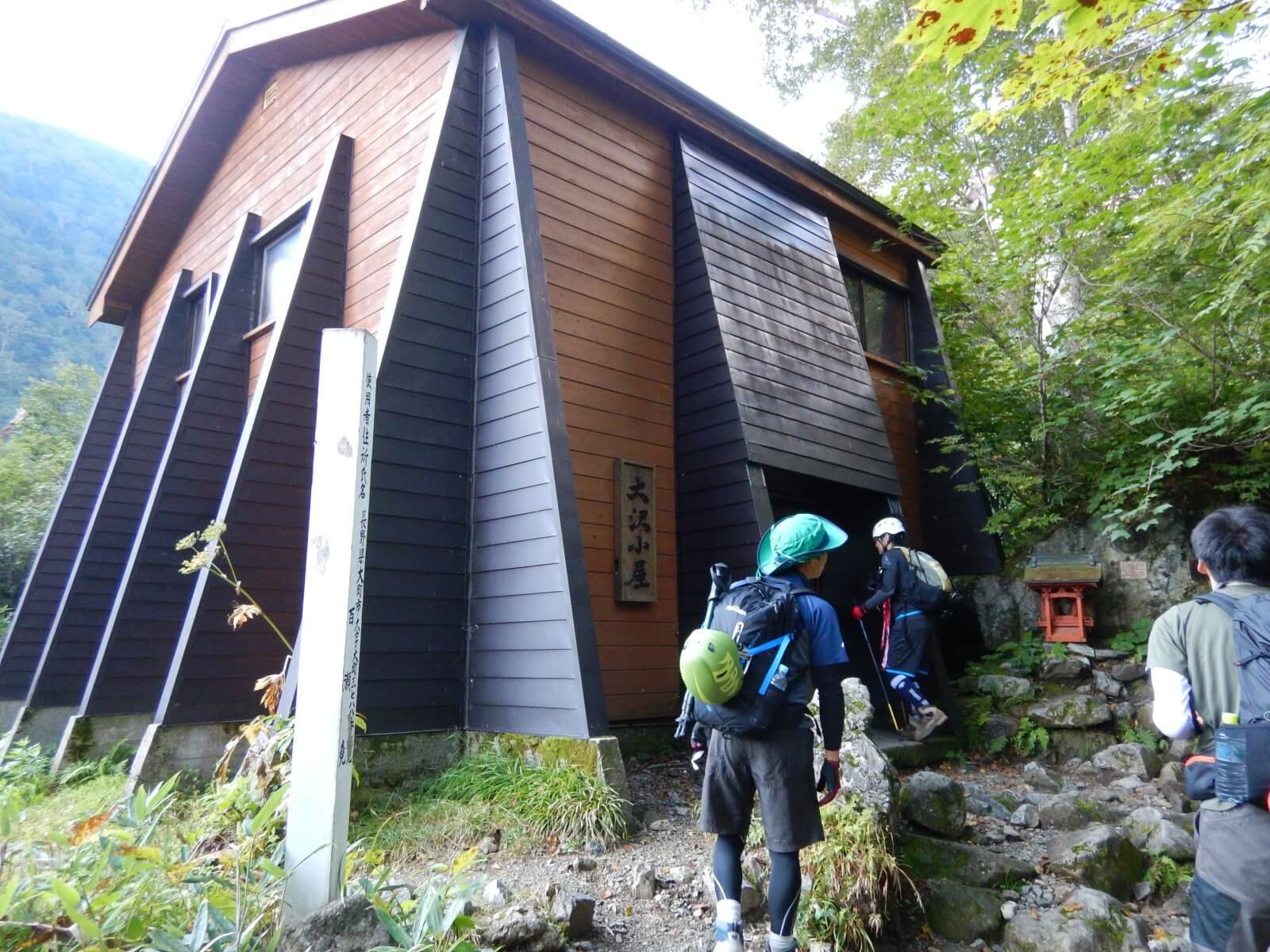
O-osawa-koya (Ōsawa-goya)
O-osawa-koya (Ōsawa-goya / 大沢小屋) is a small, historic mountain hut on the classic approach from Ogizawa (Kurobe Alpine Route area) toward Harinoki Pass and Mt. Harinoki-dake. It’s best understood as a relay hut—a practical stop that supports early starts, breaks up the ascent, and provides shelter before the steeper, more committing upper terrain.
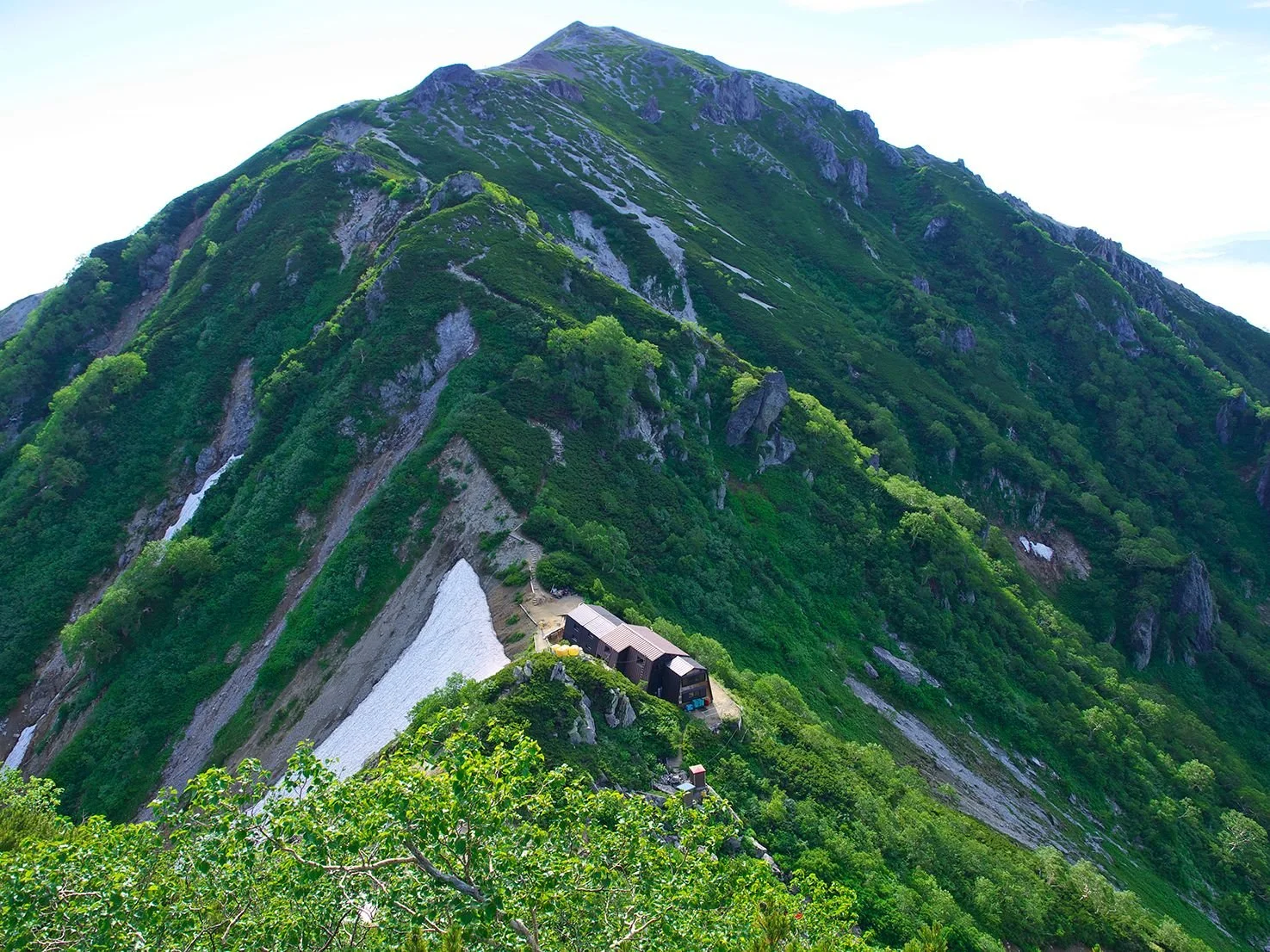
Harinoki-goya
The Harinoki-goya (針ノ木小屋) is a historic and heavily used mountain hut located at Harinoki Pass (Harinoki-tōge), a classic crossing point in the Northern Japanese Alps. It’s a key stage hut for hikers aiming for Mt. Harinoki-dake and Mt. Renge-dake, and a common overnight stop on multi-day ridge itineraries starting from Ogizawa (Kurobe Dam area).
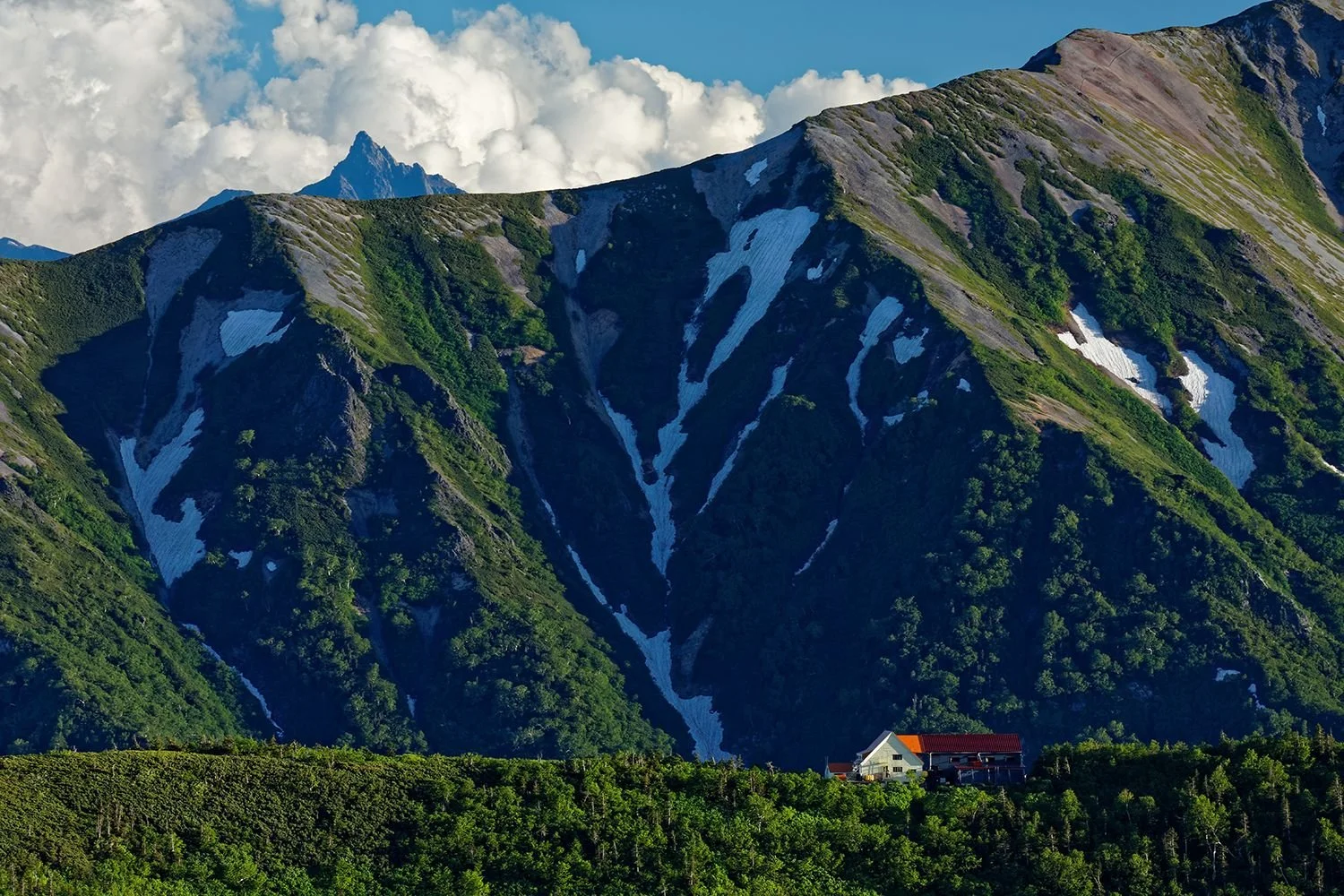
Taneike-sanso
The Taneike-sanso is a large Japanese mountain hut located near Taneike, an alpine pond positioned along a high ridge route in the Japanese Alps. With its elevated position and substantial capacity, it functions not merely as a stage hut but as a major high-alpine hub, supporting significant foot traffic across multi-day ridge traverses.
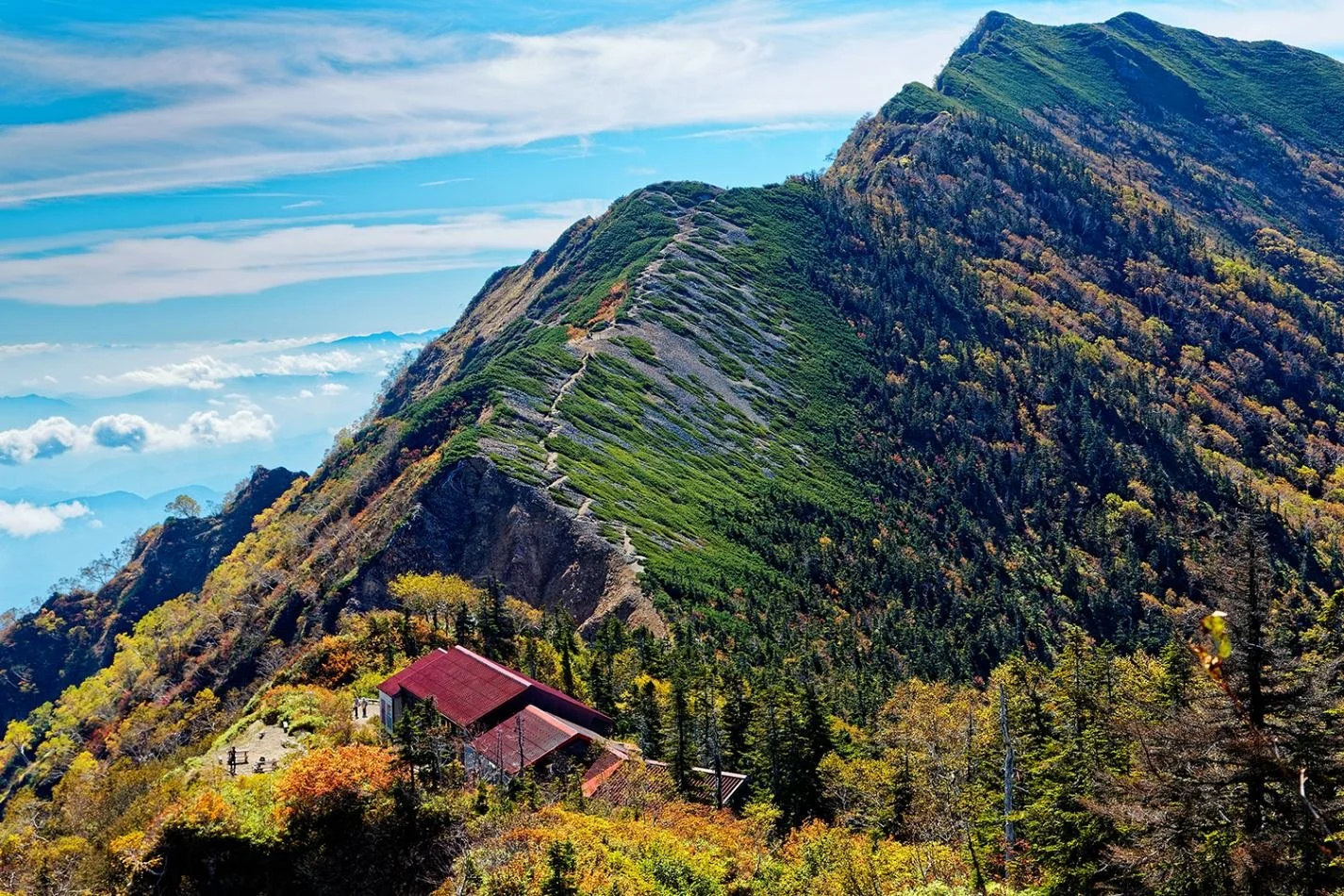
Tsumeta-ike-sanso
The Tsumeta-ike-sanso is a small Japanese mountain hut located near Tsumeta-ike, an alpine pond positioned along a high route in the Japanese Alps. It functions primarily as a stage hut, offering shelter and logistical support to hikers undertaking long ridge or valley traverses rather than serving as a summit-focused base.
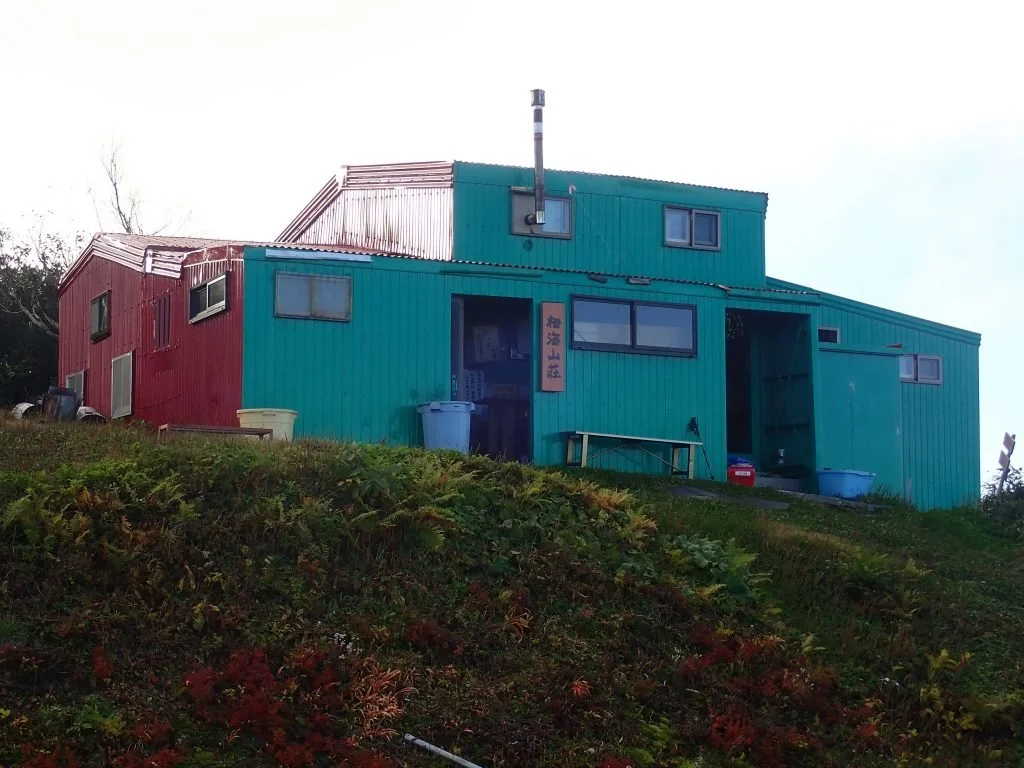
Tsugami-sanso
The Tsugami-sanso is a small, remote Japanese mountain hut located on a quiet ridge section, primarily serving long-distance hikers and traverse parties. It is not a destination hut, but a true stage hut, valued for shelter and continuity on routes where distances are long and alternatives are limited.
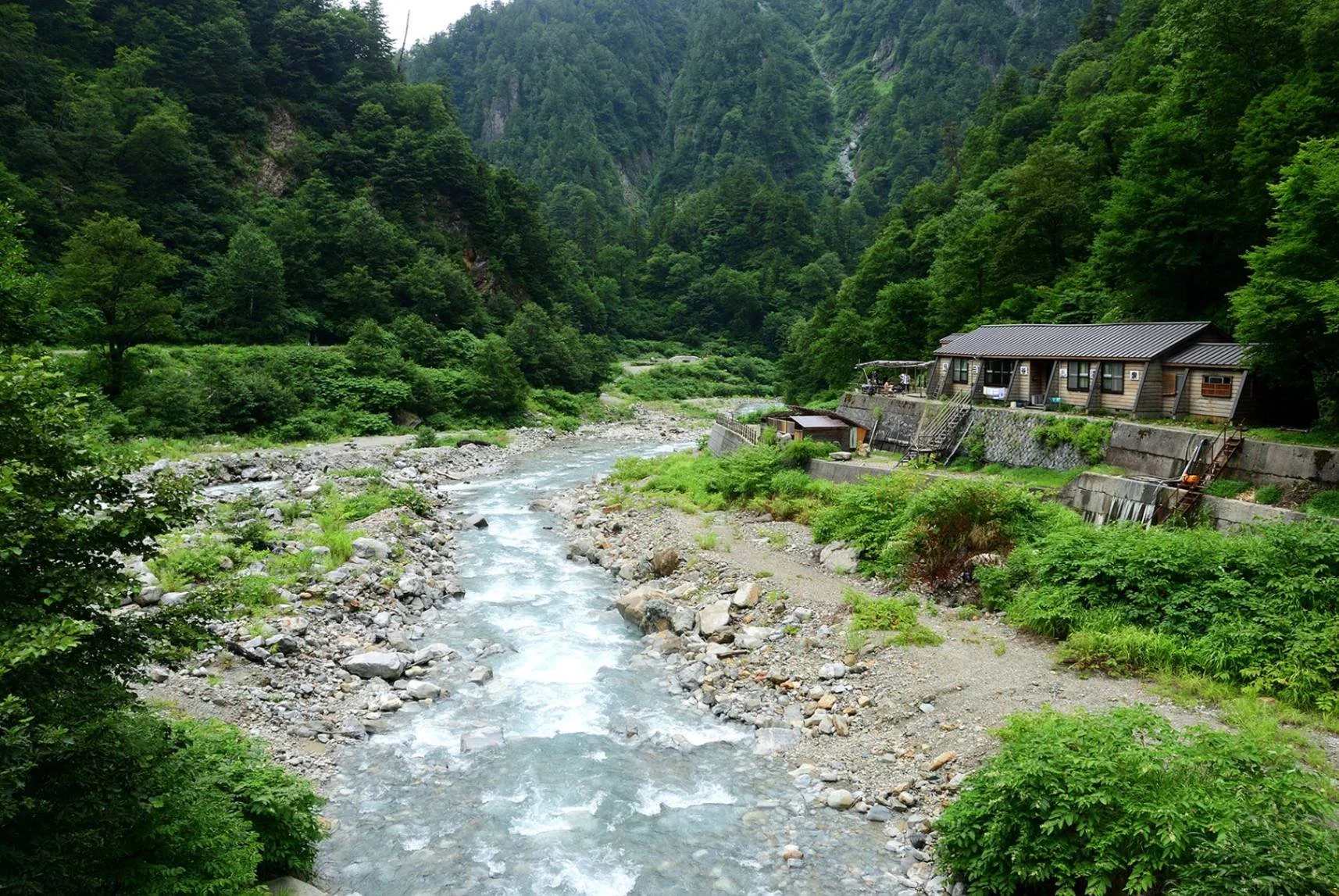
Yamagoya Babadani Onsen
The Yamagoya Babadani Onsen is a remote mountain hut with natural hot springs located deep in the Babadani Valley, Japan. Unlike high-alpine huts, it sits at relatively low altitude and is valued primarily as a recovery and staging hut, offering a rare opportunity to experience a traditional onsen in a wild mountain setting far from roads and mass tourism.
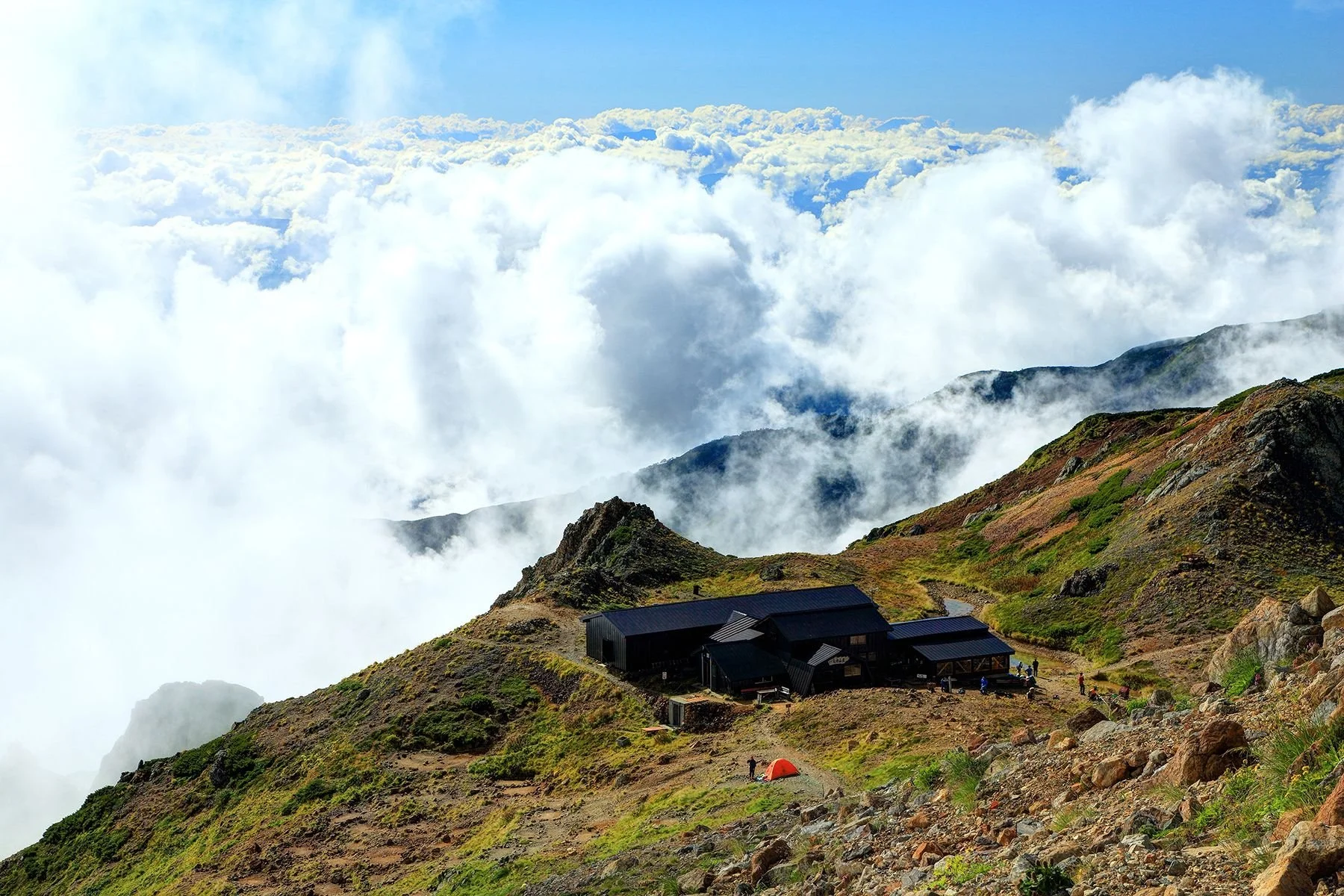
Tengu-sanso
The Tengu-sanso is a public mountain hut located high on an exposed ridge of the Northern Japanese Alps, traditionally associated with routes around Mt. Tengu-dake and neighboring peaks. Remote, windswept, and functional, it serves primarily as a stage hut for experienced alpine hikers undertaking long ridge traverses rather than as a destination in itself.
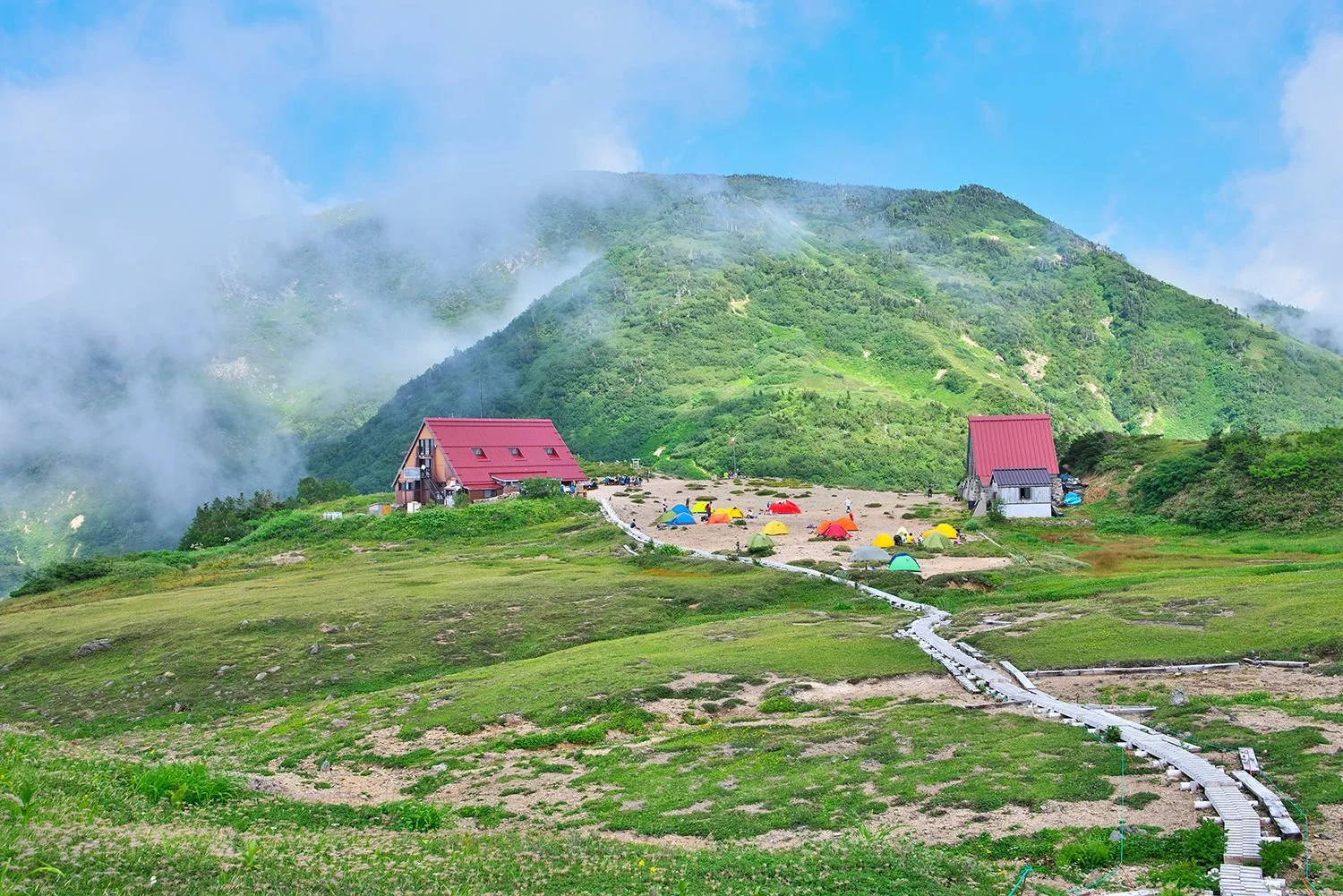
Asahi-goya
The Asahi-goya is a well-known Japanese mountain hut located on the eastern side of the Northern Japanese Alps, close to Mt. Asahi-dake and along classic routes connecting Mt. Shirouma-dake with the Asahi massif. It plays a key role as a stage hut for long traverses, offering shelter and logistics in a remote but strategically important area of the Hakuba–Asahi region.
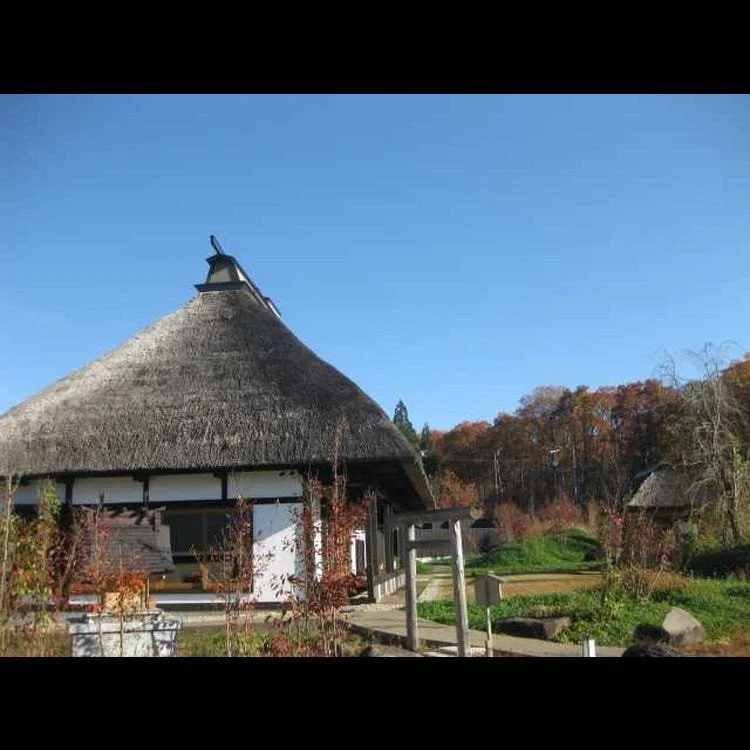
Kazabuki-sanso
The Kazabuki-sanso is a small public alpine hut located on the shore of Kazafuki Ō-ike, widely regarded as one of the most beautiful alpine lakes in the Northern Japanese Alps. Situated off the main mountain route linking Tsugaike Nature Park to Mt. Shirouma-dake, the hut serves as a quiet stage point and scenic stopover for hikers undertaking one of Hakuba’s classic high-mountain traverses.