Shinkoshi-sanso (新越山荘)
0261-22-1263
☎️
0261-22-1263 ☎️
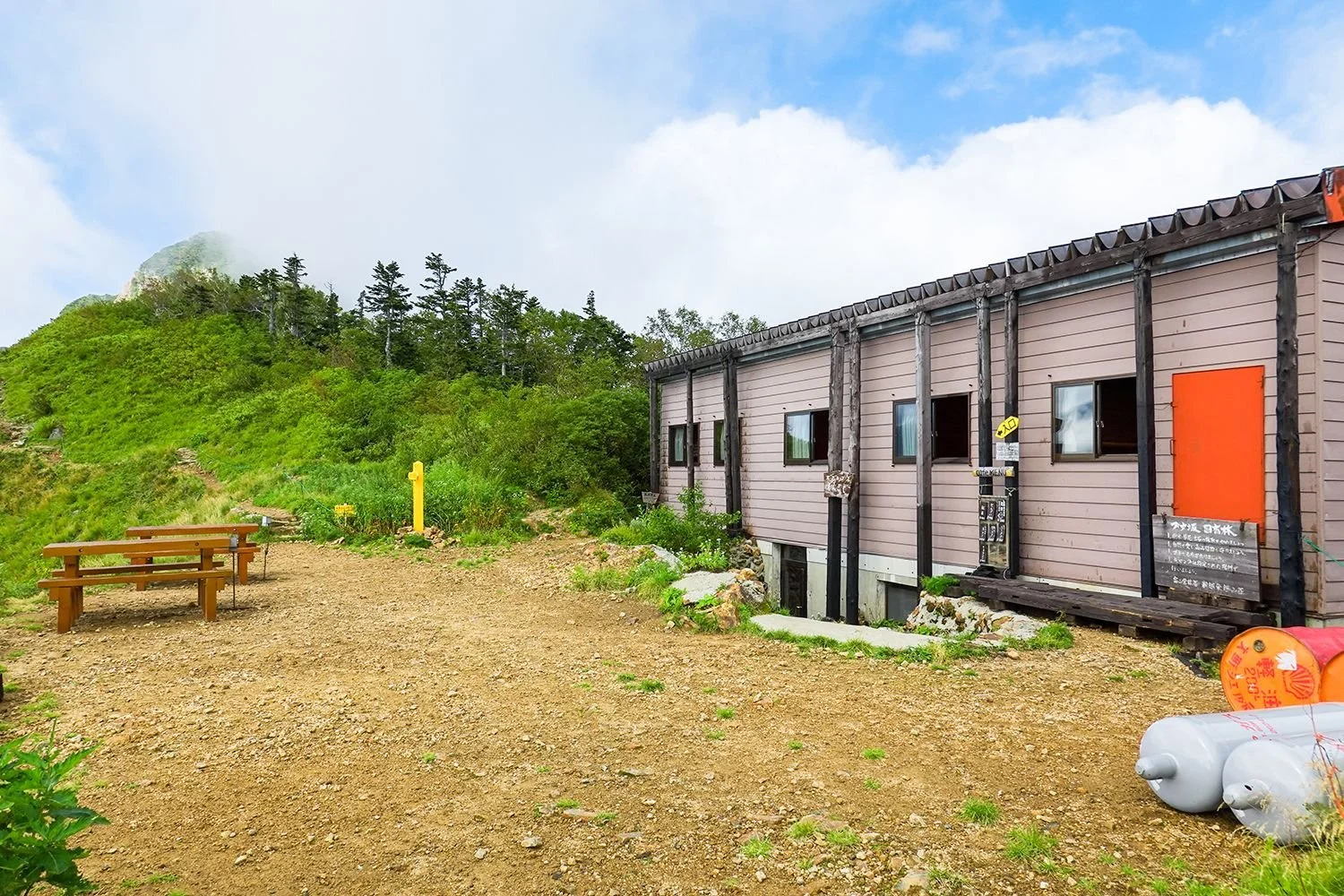
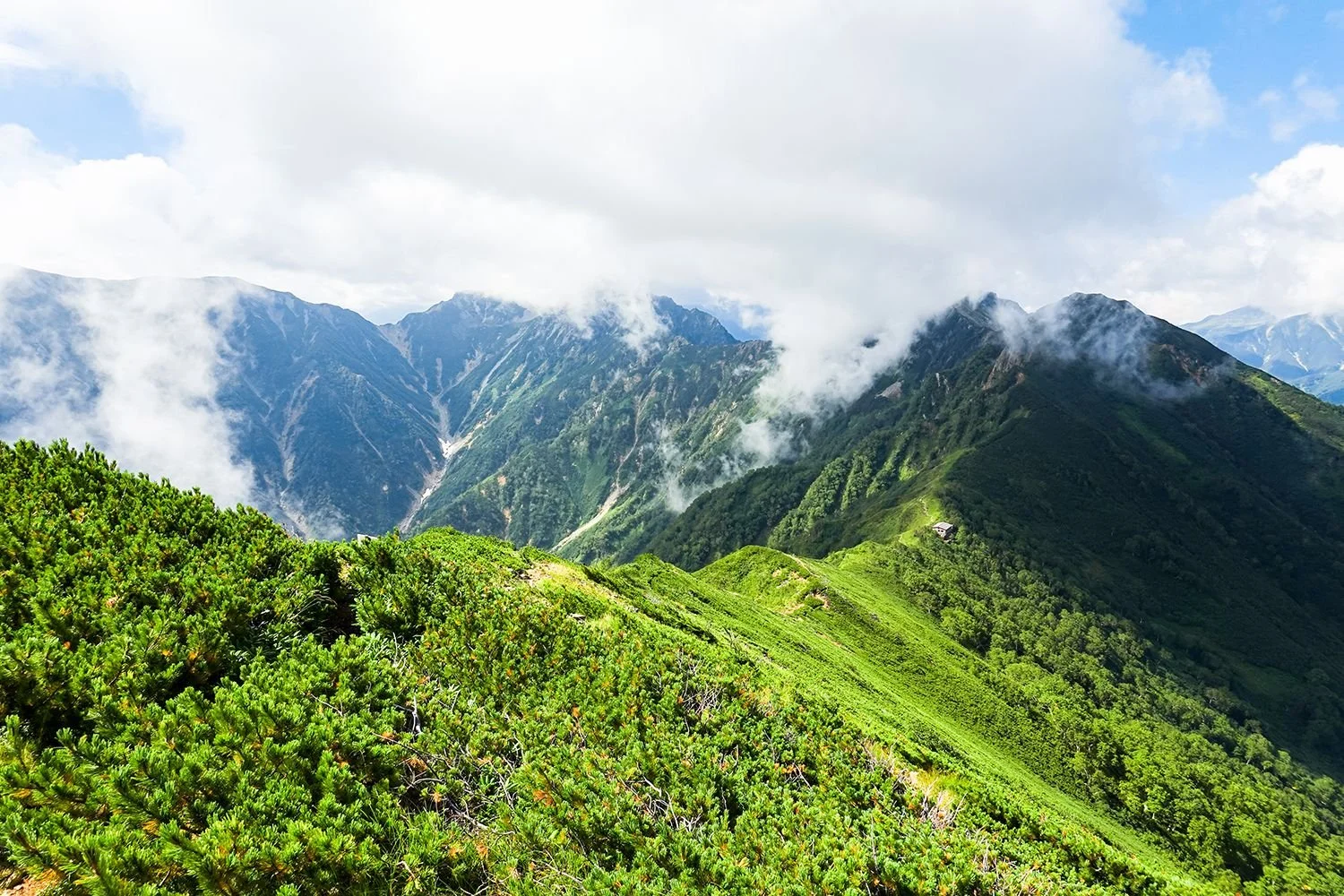
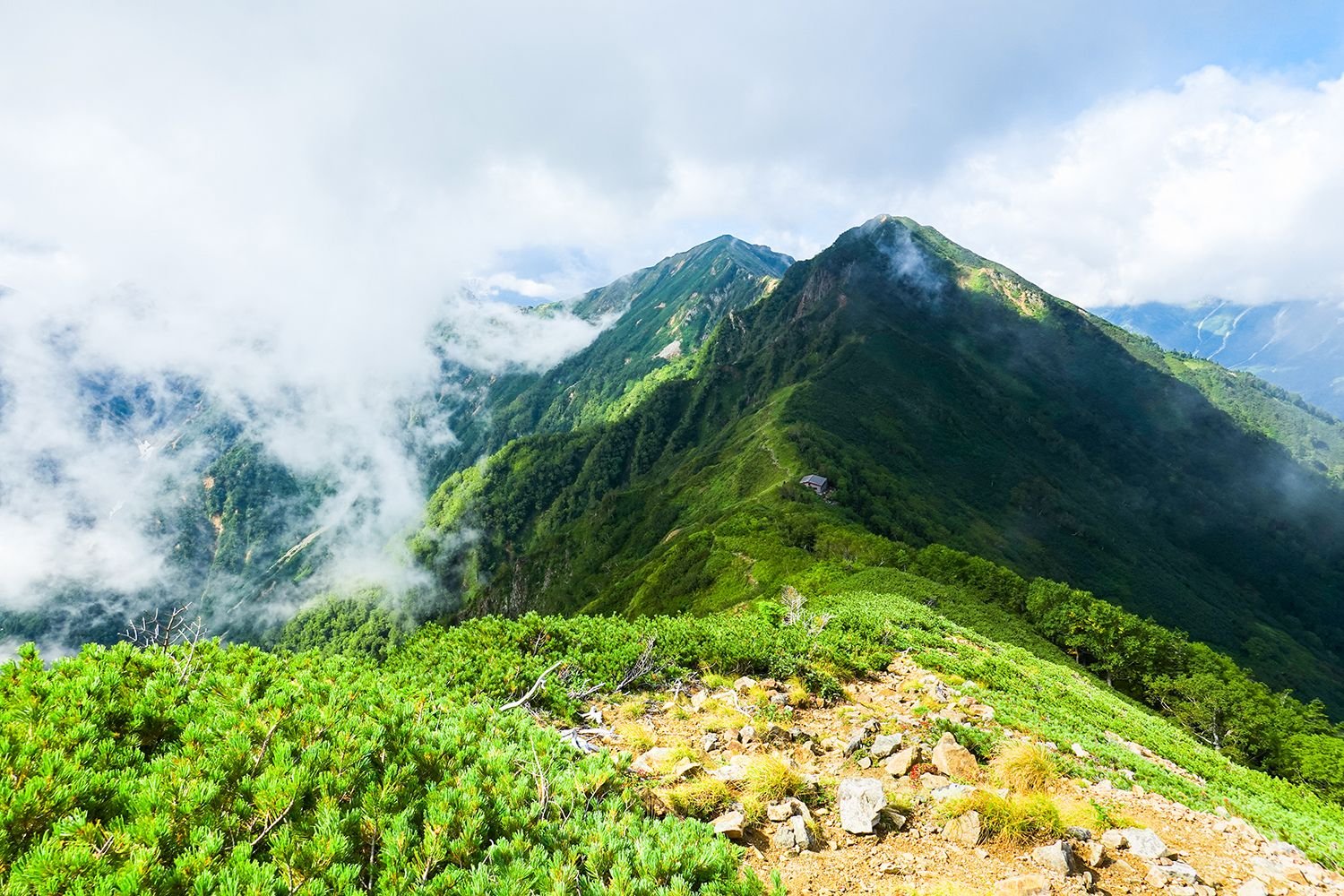
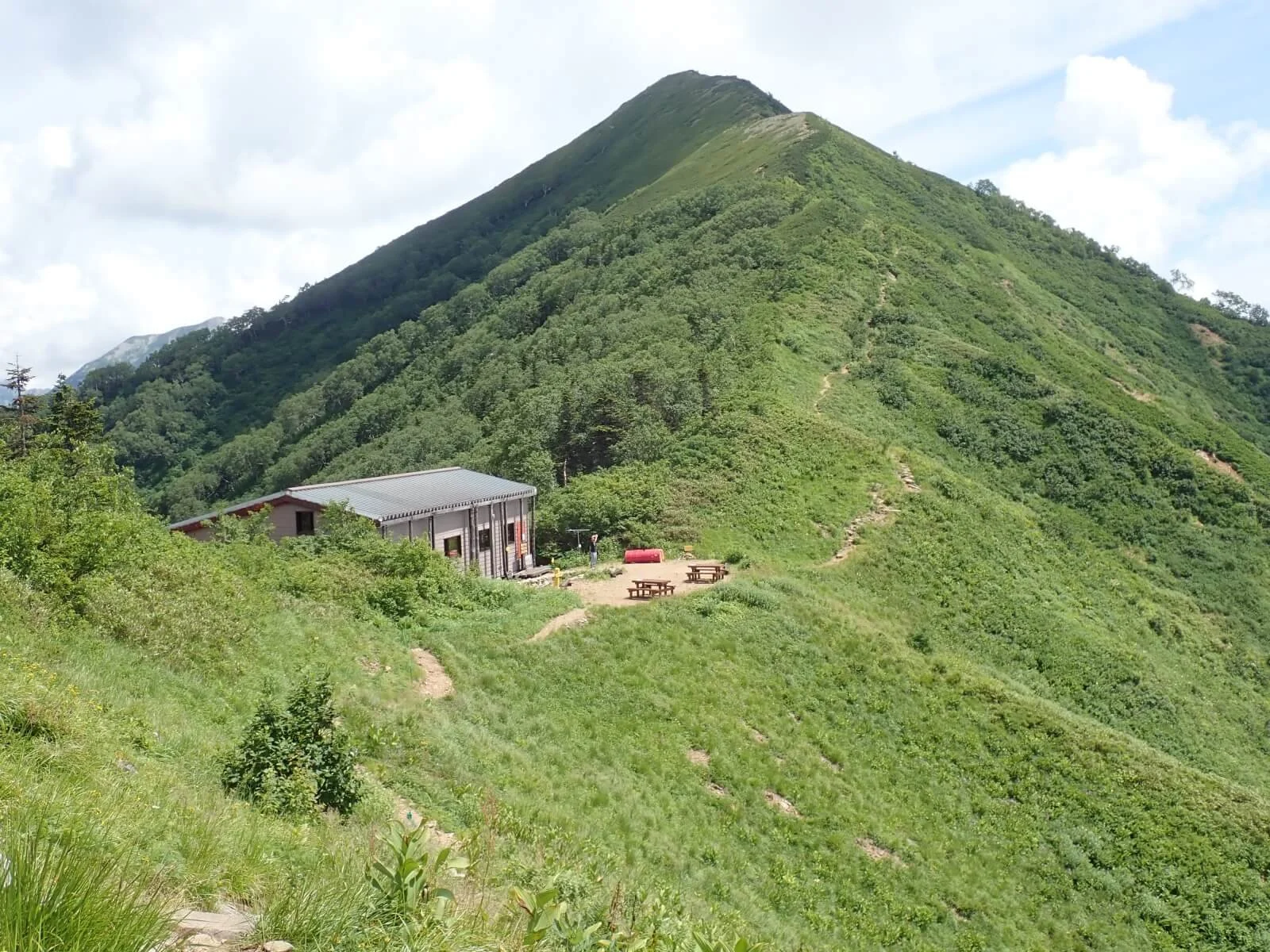
Shinkoshi-sanso is a classic ridge-stage hut on the Harinoki-dake ↔ Jiigatake ridgeline in the Northern Japanese Alps. It’s built for continuity on long traverses: a reliable roof, meals, and a place to reset before committing to the next exposed ridge stage.
-
Location: Ridgeline between Harinoki-dake (針ノ木岳) and Jiigatake (爺ヶ岳), Northern Japanese Alps
Altitude: 2,465 m
Type: Mountain hut (ridge-stage hut)
Capacity: 80 people
Season: Typically early July → late September (confirm each year)
Tents: No tent site (no camping area)
-
Main access (common): from Ogizawa (扇沢), usually as part of a longer ridge itinerary
Time from trailhead: about 6h30 from Ogizawa (route/conditions dependent)
Terrain: long climb + sustained ridge walking; exposure possible depending on your line
-
Shinkoshi-sanso is more than a “sleep-only” hut—there’s real infrastructure for recovery:
Meals (dinner/breakfast), dining room, and a small sales corner for drinks/snacks
Drying room and basic wash area
Toilets with a dedicated treatment system
Water note (important): There’s no natural water point; water is pumped up, and the hut manages distribution. Guests typically get 1L free, and additional water can be purchased.
-
Expect a true traverse hut vibe: early planning, weather checks, and early departures. The hut also sells beverages and basics—useful because the ridge stage is long and committing.
-
Shinkoshi-sanso works as a hub for:
Ridge travel linking Harinoki-dake ↔ Jiigatake ↔ Kashimayari area
Multi-day itineraries where spacing between huts is large and weather exposure is constant
-
Best season: July–September
Main risks: ridge weather (wind/fog), long distances between safe exits, and water logistics (carry enough between huts).
-
Experienced hikers doing multi-day ridge traverses
Parties who value a strategic stop over comfort-lodge vibes
Not ideal if you want camping flexibility (no tent site)
Why This Hut Is Worth Visiting
At 2,465 m with 80 beds, Shinkoshi-sanso is the kind of hut that makes big ridge itineraries realistic: it’s infrastructure in the right place, not a “tourist destination.”