Yamagoya Babadani Onsen
Phone 0765-62-1038
Phone 0765-62-1038
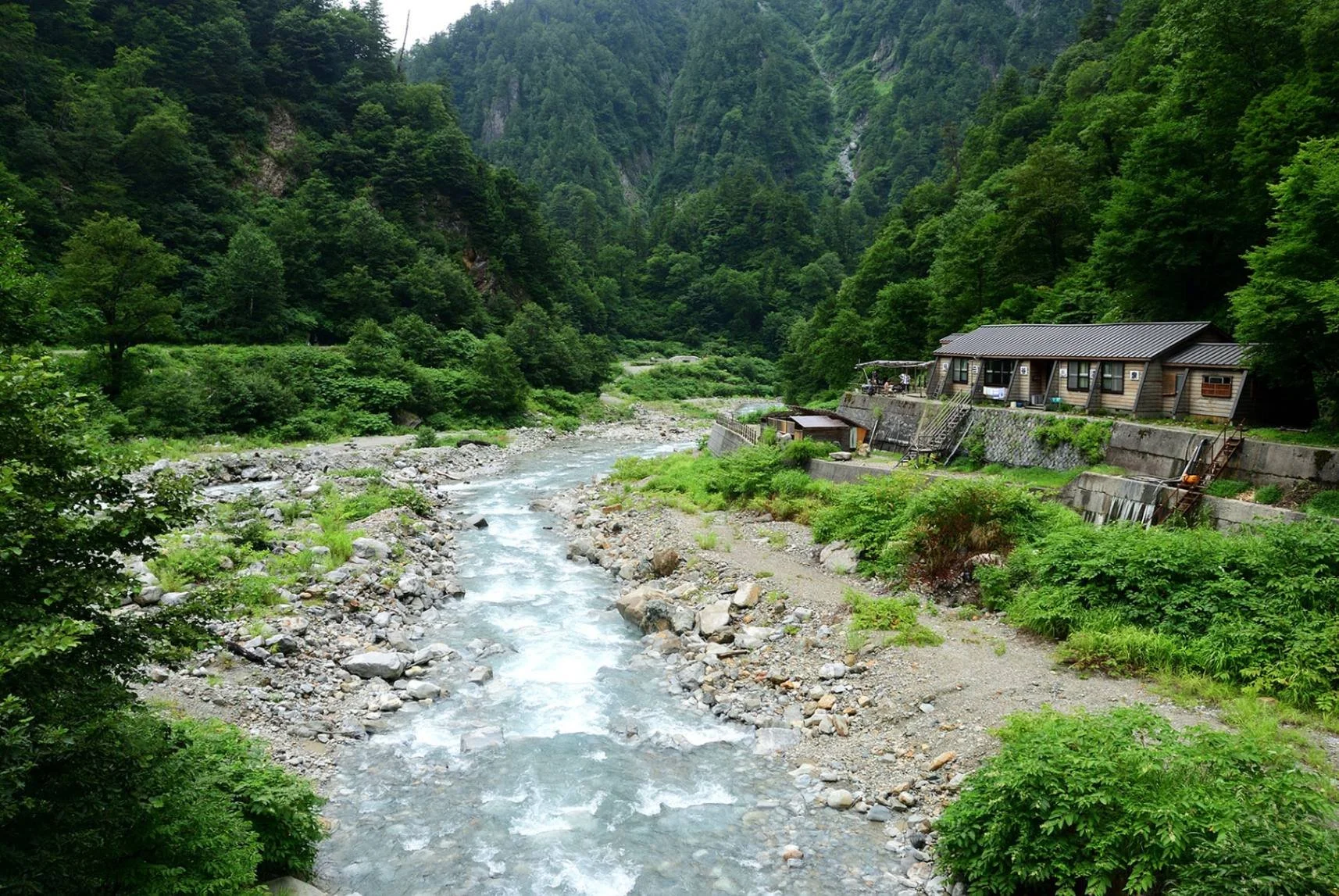
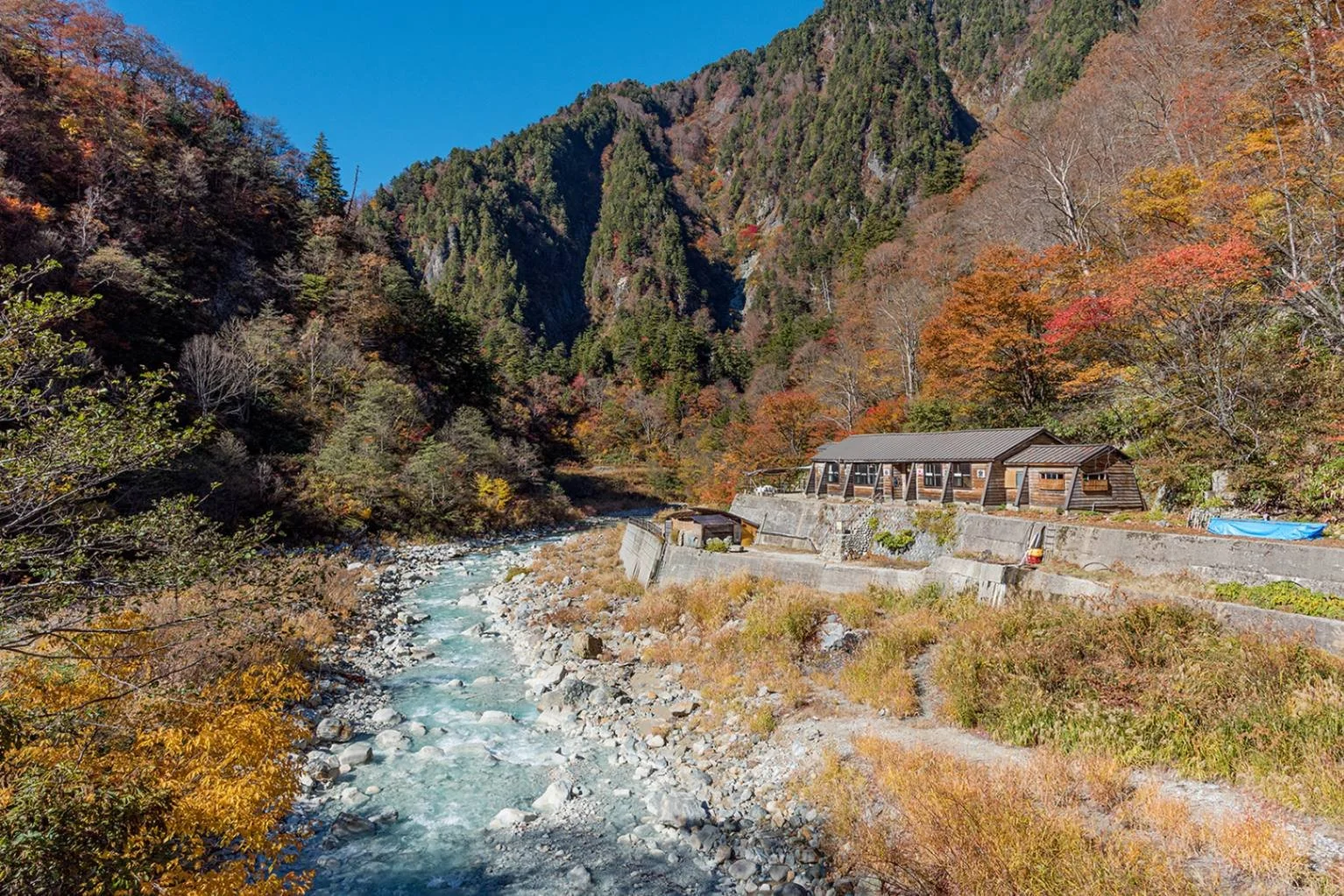
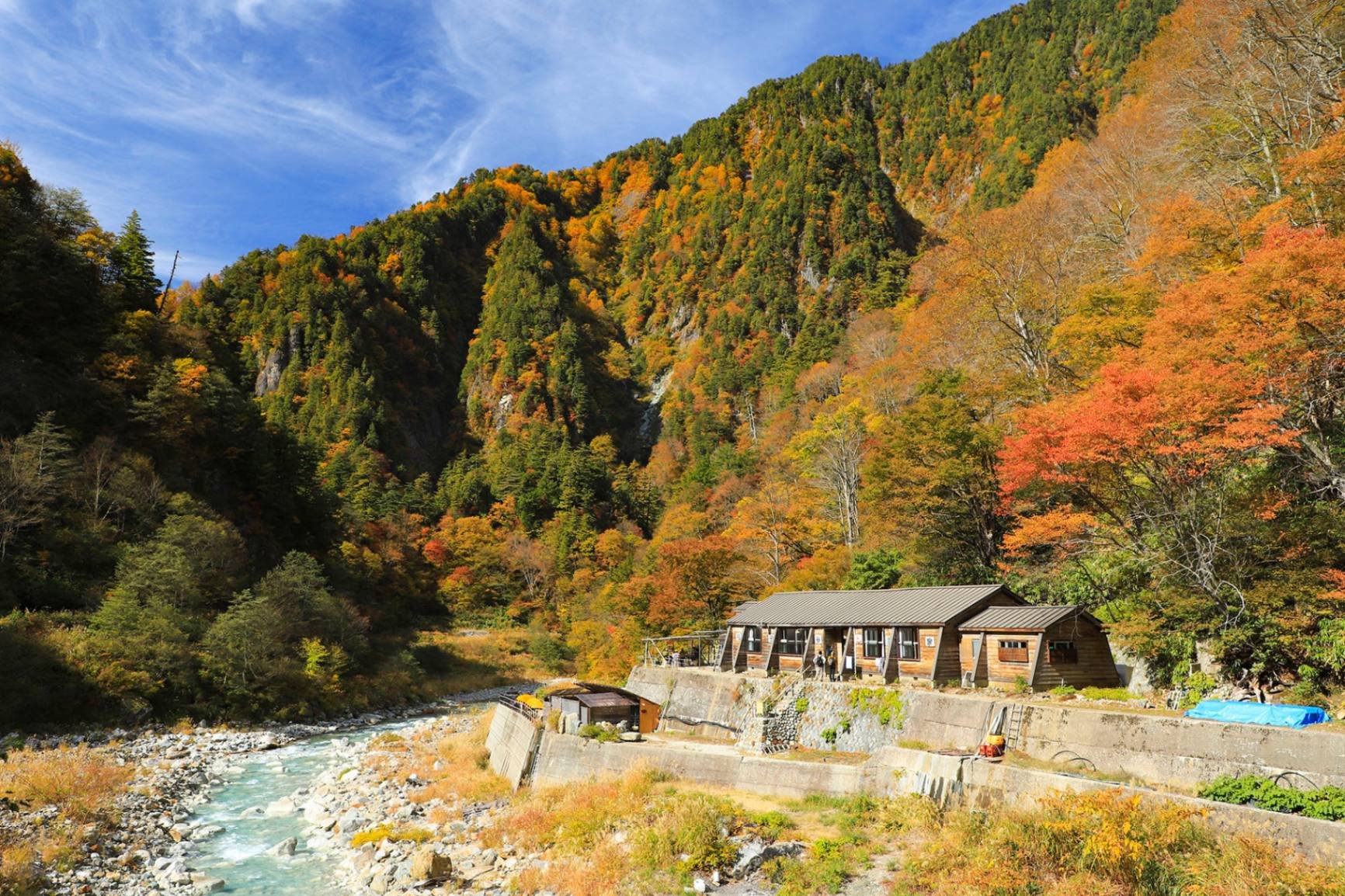
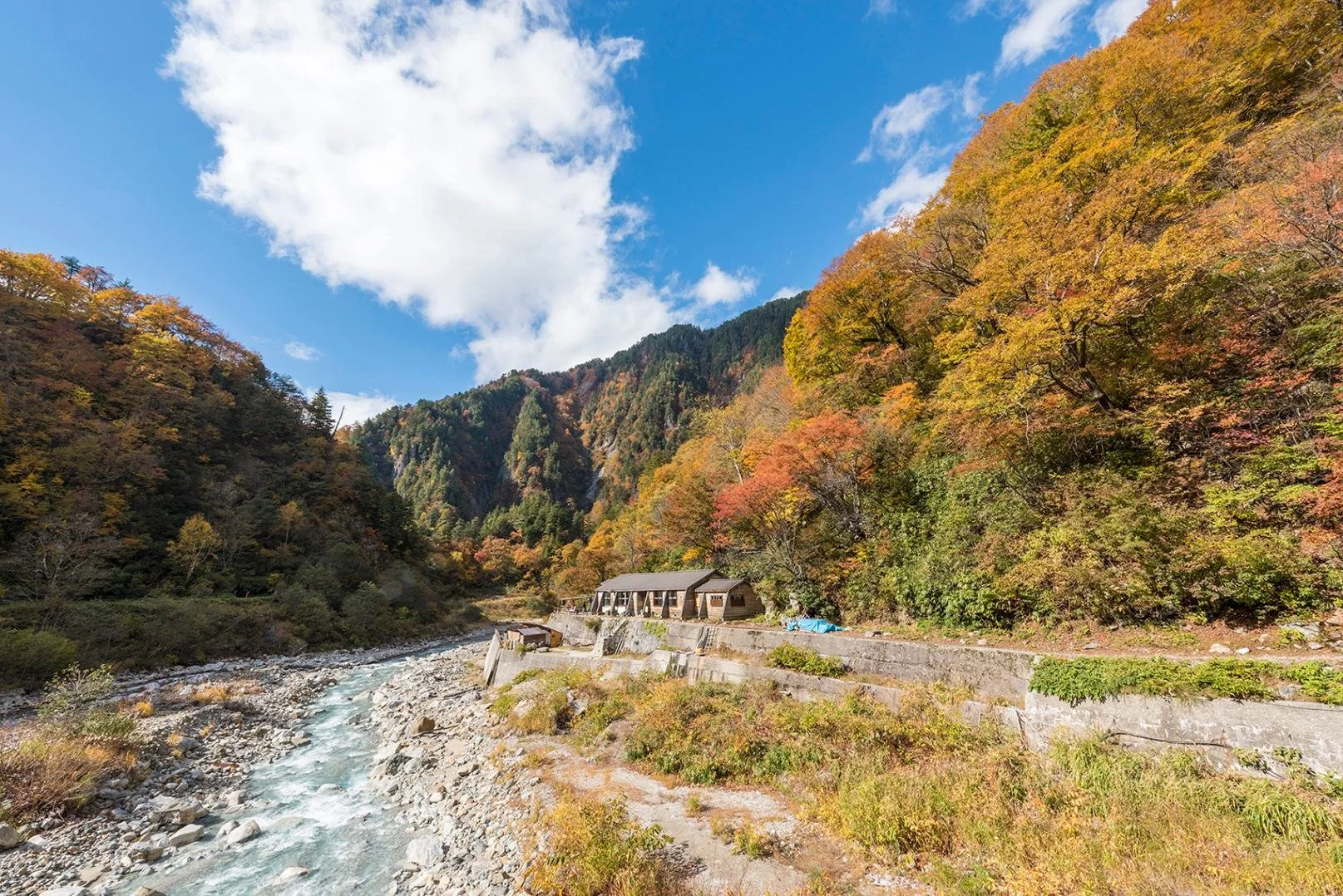
The Yamagoya Babadani Onsen is a remote mountain hut with natural hot springs located deep in the Babadani Valley, Japan. Unlike high-alpine huts, it sits at relatively low altitude and is valued primarily as a recovery and staging hut, offering a rare opportunity to experience a traditional onsen in a wild mountain setting far from roads and mass tourism.
-
Location: Babadani Valley, Japan
Altitude: 780 m
Type: Yamagoya (mountain hut) with natural onsen
Capacity: 40 sleeping places
Season:
Open/guarded: typically late spring to early autumn (access dependent)
Management: Private / local operator
-
Access is remote and requires commitment, despite the lower altitude.
Main approach:
Long hike through forested valley terrain
Hiking time: ~3–5 hours (route-dependent)
Elevation gain: ~400–900 m
Terrain: Forest paths, narrow valley trails, occasional river crossings
Difficulty: T2–T3
Trail conditions can change rapidly after heavy rain.
-
Simple indoor facilities paired with an exceptional outdoor bathing experience.
Shared sleeping areas (tatami or futons)
Simple meals when staffed
Natural onsen bath (often outdoor; rules and schedules apply)
Drinking water available
Basic toilets
Comfort is minimal; the onsen is the central attraction.
-
Quiet, intimate, and deeply traditional.
Home-style mountain meals
Limited number of guests, fostering a calm atmosphere
Evenings centered on soaking, rest, and conversation
The environment encourages slow pacing and recovery.
-
Yamagoya Babadani Onsen is typically used for:
Remote valley hikes and exploratory routes
Recovery stops between demanding trekking stages
Backcountry itineraries focused on nature and solitude
Cultural immersion into traditional onsen-in-the-mountains experiences
It is not a summit or ridge-base hut.
-
Best season: June to September
Conditions: Heavy rain can affect trails and river crossings
Main risks: Isolation, limited communication, weather-related access issues
-
Experienced hikers comfortable with remote access
Backcountry explorers
Travelers seeking solitude and authentic onsen culture
Not suitable for rushed itineraries or large groups
Why This Hut Is Worth Visiting
At 780 m, the Yamagoya Babadani Onsen proves that altitude is not the only measure of a mountain hut’s value. Its appeal lies in remoteness, tradition, and recovery—offering one of the most authentic onsen-in-the-wilderness experiences in Japan.