Via Ferrata Merlone
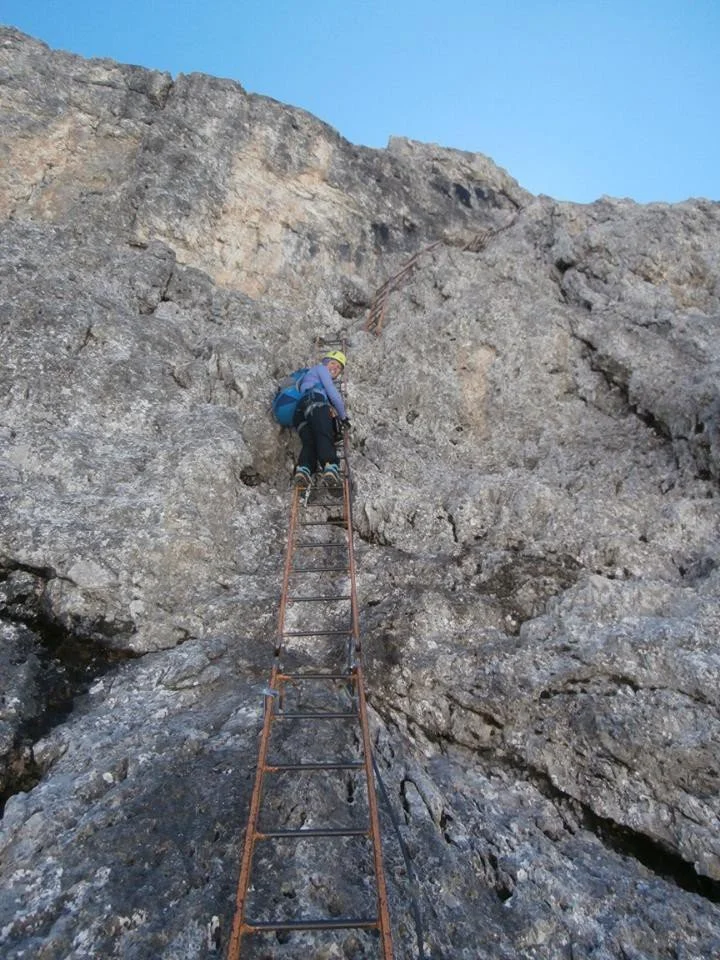
The Via Ferrata Merlone is one of the most iconic and vertical routes in the Dolomites, rising steeply toward the summit of Cima Cadin Nord-Est in the Tre Cime area. Known for its long ladder sections, dramatic exposure, and panoramic alpine scenery, this is a historic route originally built during the early 20th century. Today, it offers a thrilling ascent for well-prepared climbers who want a demanding but rewarding challenge in the heart of the Dolomites.
Trail Overview
Duration: 4.5 to 6 hours round-trip, depending on pace and conditions.
Difficulty: Moderately difficult to difficult (C/D). Not suitable for beginners.
Best for: Experienced via ferrata climbers, strong hikers, and mountaineers seeking steep, exposed vertical terrain.
Exposure: Very high. Long sections of vertical ladders and sustained airiness throughout.
Required gear: Standard via ferrata kit (helmet, harness, lanyard with energy absorber), gloves, sturdy mountaineering shoes, weather-appropriate clothing, and sufficient water. Optional: light via ferrata leash for photos or rest on ladders.
Route Description
The ascent begins from the Rifugio Fonda Savio area with a well-marked approach trail leading toward the Cadini di Misurina group. After a short scramble, the ferrata begins with the first series of metal ladders, immediately introducing climbers to steep and exposed terrain.
The historical character of the route is preserved through numerous long vertical ladders fixed into the rock. These sections require good upper-body control and confidence with heights. Between the ladders, narrow ledges and short cable-protected traverses offer brief respite, but exposure remains constant.
As the route progresses, the terrain becomes increasingly airy, culminating in a series of dramatic vertical ladders stacked directly above each other. The final segment leads onto the summit ridge of Cima Cadin Nord-Est, where breathtaking views over Tre Cime di Lavaredo and the surrounding Dolomite peaks reward the climber’s effort.
The descent typically follows a separate trail back to Rifugio Fonda Savio, avoiding downclimbing the ladders.
Highlights
Historic and impressive via ferrata featuring some of the longest ladder sequences in the Dolomites.
Exceptional exposure and thrilling verticality throughout.
Panoramic viewpoint over Tre Cime di Lavaredo and the Cadini peaks.
Atmospheric alpine setting with rugged limestone towers and deep valleys.
A perfect blend of physical challenge and scenic reward.
Difficulty and Required Skills
Via Ferrata Merlone is graded C/D due to its steep ladders, exposure, and sustained vertical sections. Climbers must be comfortable with heights and able to maintain good technique on long ladder climbs. Strong legs and a steady pace are essential, as the route offers little opportunity for rest.
Experience with similar ferratas is strongly recommended. Weather awareness is important, as the route becomes dangerous in rain, wind, or thunderstorms due to slippery metal rungs and exposed positioning.
When to Go
The best season is late June to late September, depending on snow conditions. Early-season ascents may encounter snow patches near the upper sections, while late-season conditions can vary with colder temperatures and shorter daylight hours. Ideal climbing days are clear, dry, and stable.
Access and Logistics
Starting point: Rifugio Fonda Savio (reachable from Misurina or Auronzo via trail).
Nearest towns: Misurina, Auronzo di Cadore, Cortina d’Ampezzo.
Approach: Approximately 1.5 hours of hiking to reach the start of the ferrata.
Return: Descent via the marked trail back to Rifugio Fonda Savio.
Parking: Available near Lake Misurina or at the trailheads leading toward the rifugio.
Maps recommended: Tabacco Map 010 (Tre Cime di Lavaredo).
Why It Belongs on Every Adventurer’s List
Via Ferrata Merlone stands out for its sheer verticality, historic character, and breathtaking vistas. It captures the essence of Dolomite mountaineering: exposure, challenge, and dramatic landscapes. Climbers who tackle this route gain not only an exhilarating experience but also a deeper appreciation for the rugged beauty and alpine heritage of the region.