Via Ferrata Silberkarklamm – Hias
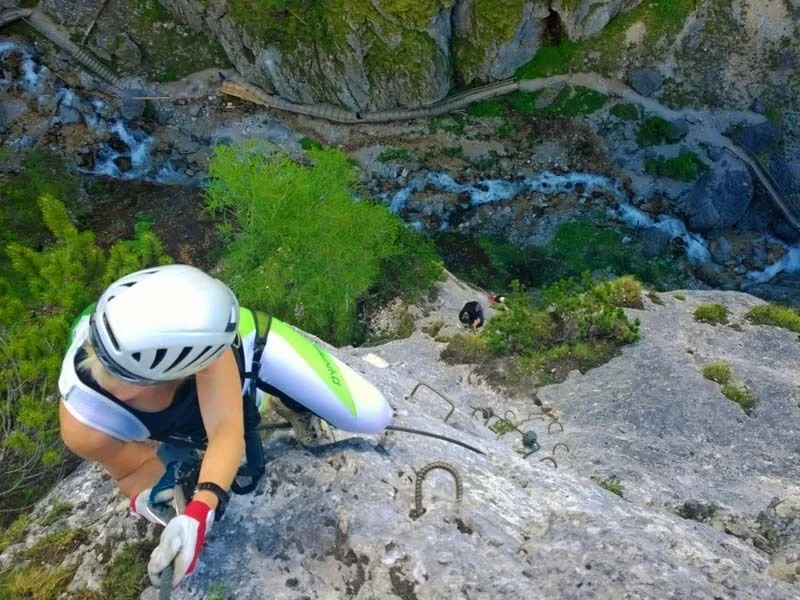
Hidden deep in the Silberkarklamm Gorge, near Ramsau am Dachstein in Austria, the Via Ferrata Hias offers one of the most scenic and accessible climbing experiences in the Northern Alps. Named after a local mountain guide, this via ferrata combines vertical exposure, roaring waterfalls, and the raw beauty of the Dachstein limestone walls into a thrilling half-day adventure.
It’s a route that captures the essence of alpine climbing — challenging yet inviting, wild yet perfectly equipped.
Trail Overview
Location: Silberkarklamm Gorge, Ramsau am Dachstein, Styria, Austria
Region: Northern Limestone Alps – Dachstein Massif
Difficulty (Austrian scale): C (Moderate to Difficult)
Length: ~250 m of climbing, ~1.5 km total including approach and descent
Elevation gain: ~150 m
Duration: 2–3 hours (round trip)
Type: Via Ferrata (fixed-cable climbing route)
Start elevation: ~1,100 m
End elevation: ~1,250 m
Equipment required: Helmet, harness, via ferrata set, gloves, good boots
The Hias Via Ferrata is part of a trio of routes in the Silberkarklamm Gorge — Hias (C), Rosina (C/D), and Siega (B/C) — all accessible from the same trailhead. Hias is the most popular and ideal for those seeking an intermediate challenge surrounded by dramatic alpine scenery.
Route Description
The adventure begins at the entrance of the Silberkarklamm Gorge, a narrow limestone canyon carved by glacial meltwater. A short 20-minute approach follows a wooden walkway along the rushing stream, offering glimpses of waterfalls and vertical rock walls. The start of the Hias route is clearly marked.
1. The Lower Section – Vertical Introduction
The route begins immediately with steep climbing alongside the main waterfall. Iron rungs and cables lead you straight up the left wall of the gorge, offering constant views of the water cascading below. Although rated C, the holds are solid and well-placed, making this section enjoyable for confident climbers.
2. The Middle Section – Waterfall Crossing
Midway, the route crosses over the gorge via a short but exposed traverse. This is the most photogenic part — a moment suspended above the roaring torrent. The feeling of exposure is exhilarating but safe thanks to modern steel cables.
3. The Upper Section – Exit to the Plateau
After the crossing, the route continues up another steep slab before easing onto forested terrain. From here, a short path leads to the Silberkarhütte (1,250 m), a charming alpine hut where most climbers stop for rest, a drink, or traditional Austrian food before descending.
Descent: The return follows an easy forest trail back down to the gorge, rejoining the main path to the parking area.
Highlights
Waterfall exposure: Climb directly beside the thunderous Silberkar stream, with spray cooling your face as you ascend.
Perfect intermediate challenge: A balanced mix of vertical sections, traverses, and scenic views without being extreme.
Exceptional scenery: Limestone cliffs, lush pine forest, and the sound of rushing water echoing through the gorge.
Close to a mountain hut: The Silberkarhütte provides a comfortable reward just minutes from the top exit.
Photogenic route: Ideal for action shots and dramatic drone footage — especially at the central waterfall crossing.
Difficulty and Required Skills
The Via Ferrata Hias is rated C (intermediate) on the Austrian via ferrata grading scale.
Physical Requirements:
Good general fitness and endurance for a 2–3 hour climb.
Strength in legs and arms to manage vertical sections.
No need for advanced climbing experience, but comfort with exposure is important.
Technical Requirements:
Familiarity with via ferrata gear: clipping/unclipping carabiners safely, using the lanyard correctly.
Basic climbing movement on rungs and natural rock.
Suitable for beginners with guidance or for independent climbers with some prior via ferrata experience.
Exposure:
Moderate to high — you are often beside or above the gorge, with several meters of air beneath your feet. However, the entire route is protected by continuous steel cables.
When to Go
The Silberkarklamm Via Ferrata season typically runs from May to October, depending on weather and snowmelt.
May–June: High water levels and dramatic waterfall flow — spectacular but can be slippery.
July–September: Ideal conditions — warm temperatures, dry rock, and open huts.
October: Quieter trails, beautiful autumn colors, but cooler temperatures and shorter days.
Early morning starts are recommended to avoid crowds, especially in summer.
Access and Logistics
Trailhead:
Located at the Silberkarklamm parking area, 4 km from Ramsau am Dachstein.
Coordinates: approximately 47.430° N, 13.650° E.
The gorge entrance is reached via a short walk from the parking area.
Approach:
From the ticket booth at the gorge, follow the marked path through the Silberkarklamm (about 20 minutes) to the start of the via ferrata.
Facilities:
Silberkarhütte (1,250 m): Mountain hut at the top of the route offering food, drinks, and accommodation.
Toilets and parking available at the gorge entrance.
Equipment rental is available in Ramsau and Schladming.
Nearest towns:
Ramsau am Dachstein (10 min drive)
Schladming (20 min drive) – major transport hub with train connections.
Fees:
A small entry fee is charged to access the Silberkarklamm Gorge, used for maintenance of the paths and infrastructure.
Why It Belongs on Every Adventurer’s List
The Via Ferrata Hias in Silberkarklamm offers the perfect balance between adventure and accessibility. It’s short enough for a half-day outing yet thrilling enough to leave lasting memories.
Few routes combine such intense natural beauty — waterfalls, rock walls, alpine forest — with a feeling of total immersion in the mountains.
Standing at the midpoint of the climb, with water thundering beneath your boots and the sunlight filtering through the mist, you understand why this route has become a classic in the Austrian Alps.
It’s a true celebration of mountain spirit: vertical, vibrant, and unforgettable.