Via Ferrata Dürrenstein
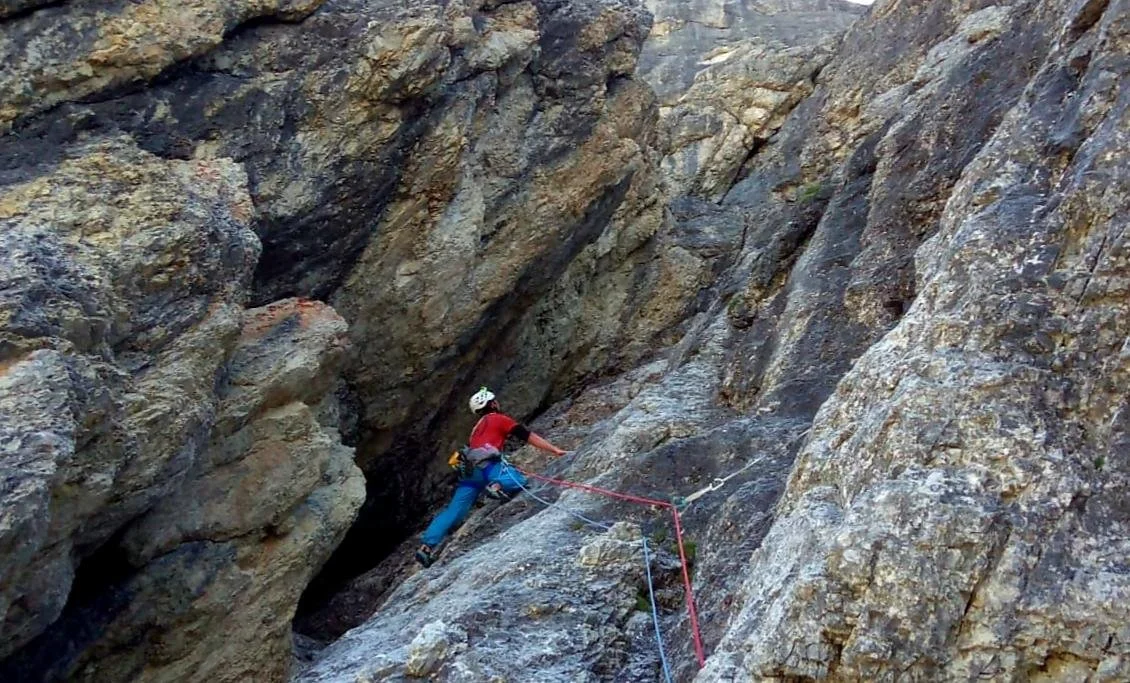
The Dürrenstein Klettersteig is a thrilling via-ferrata route located on the imposing Dürrenstein (Italian: Picco di Vallandro) in the Pragser Tal region of South Tyrol, Italy. With its high altitude (2,839 m) and dramatic Dolomite rock faces, the route gives climbers a direct passage into steep and exposed alpine terrain, combining rock climbing features with secured cables and ladders typical of a via ferrata. While detailed public descriptions of the specific Klettersteig line on Dürrenstein are limited, the mountain’s climbing and route-setting history make it an outstanding challenge for experienced climbers. The Dolomitic setting, sharp ridges, and wide-ranging views make this route a must for those seeking serious vertical adventure.
Trail Overview
Location: Dürrenstein (2,839 m) in the Pragser Dolomites, South Tyrol, Italy.
Route type: Via ferrata (Klettersteig) – rock wall climbing with fixed cables, metal rungs, ladders, secured sections.
Typical ascent terrain: Dolomite limestone, steep rock faces, ridgelines, exposure to heights and drop-offs.
Estimated climbing height / gain: Not publicly documented for a dedicated via ferrata line, but the summit at 2,839 m indicates significant elevation gain from base.
Duration: Likely several hours of sustained climbing; one must allow half to full day depending on approach and descent.
Season: Summer (when snow and ice have melted), typically June through early October in the Dolomites.
Route Description
Access & Approach:
Begin from the Pragser Tal (Val Pragser) region. A common access point is the Plätzwiese plateau (~2,000 m) which lies in the natural park around Dürrenstein. From there, follow alpine hiking paths toward the rock face of Dürrenstein.
The ascent to the start of the via ferrata will involve hiking on steep switchbacks, scree slopes or rocky terrain until the secured cables begin.
Via Ferrata Section:
Once on the climbing line, you will encounter fixed steel cables, metal rungs, ladders or steps anchored into steep Dolomite rock. The terrain is steep and exposed: expect vertical or overhanging sections, exposed ridges, and the need for a via-ferrata set (harness, helmet, lanyard) plus climbing boots. Although exact grading is not publicly verified, the nature of the rock and alpine setting suggests a difficulty at least C–D on the common Italian/Alpine grading scale for via ferrata.
Note: The information about the Dürrenstein via ferrata is scarce, so cautious interpretation is required, and one should check local guidebooks or alpine clubs for up-to-date conditions and exact ratings.
Descent:
From the summit or the end of the secured climbing section, descend via marked hiking or scrambling paths back to the valley. The descent may involve steep terrain, loose rock or scree, so it’s important to maintain full concentration until back to the valley floor.
Highlights
Spectacular setting: The route climbs the rugged limestone flanks of Dürrenstein, offering breathtaking views across the Pragser Tal, the Fanes-Sennes Prags Nature Park, and the broad panorama of the Dolomites.
High Alpine Experience: Unlike easier via ferrata, this route gives you a genuine alpine climb above the tree line and into steep rock terrain.
Sense of achievement: Reaching the summit of a 2,839 m peak via fixed cables and iron rungs has a strong mountaineering feel and is rewarding for experienced climbers.
Isolation & Nature: The Pragser Dolomites are less crowded than some of the more famous ‘via ferrata’ hotspots, offering a more serene experience immersed in alpine wilderness.
Difficulty and Required Skills
Technical Difficulty: Likely C to D via-ferrata grade (exposed vertical rock, sustained climbing). Exact grade should be verified locally.
Physical Condition: Strong climbing fitness, good upper-body strength, stamina for several hours of sustained exertion, and confident movement on rock.
Skills & Experience:
Proficient use of via-ferrata equipment (harness, safety lanyards, helmet).
Comfortable with exposure, heights and vertical rock faces.
Excellent sure-footedness and ability to climb in alpine conditions (rock and possibly snow patches early/late season).
Navigation skills for approach and descent in remote mountain terrain.
Safety Considerations:
Weather in high Alpine terrain can change rapidly — ensure good forecast and avoid thunderstorms (metal equipment is risk in lightning).
The rock in Dolomites may be brittle in places — wear a helmet and watch for rock-fall.
Ensure you have reserve time and energy; descent often takes as long as ascent and may require caution.
When to Go
Ideal Season: Mid-June to early October (summer to early autumn) when the rock is free of snow and ice, and the via-ferrata is fully accessible.
Avoid Early Season/ Late Season: Snow patches may linger in early summer; late autumn may bring cold temperatures, risk of ice, or shorter daylight.
Time of Day: Start early in the day to allow plenty of time for both ascent and descent; avoid afternoon thunderstorms which are common in the Alps.
Access and Logistics
Base Location: Pragser Tal (Val Pragser), South Tyrol, Italy — accessible by car or public transport.
Approach: From the Plätzwiese plateau (~2,000 m) via hiking trail to the start of the route. There may be limited parking or seasonal restrictions in the nature park; check local access.
Equipment Needed: Full via-ferrata kit (helmet, harness, via-ferrata set with energy absorber, gloves recommended), good climbing/hiking boots, layered clothing, plenty of water and snacks.
Accommodation/Support: There are alpine huts and lodges in the region; overnighting in a mountain hut may allow you to start very early.
Descent & Return: After climbing, descend via marked hiking trail back into the valley. Familiarize yourself with the descent route ahead of time — in alpine terrain descent can be tricky in failing light.
Why It Belongs on Every Adventurer’s List
The Dürrenstein Klettersteig offers an outstanding blend of vertical challenge, alpine environment and magnificent Dolomite scenery. For adventurers looking to move beyond standard hiking and into true alpine climbing via secured routes, this via-ferrata delivers on both thrill and panorama. Reaching the summit of Dürrenstein at 2,839 m via iron rungs and cables gives that summit-mountaineering sense of achievement, while the dramatic Dolomite walls make this route unforgettable. If you have the requisite skills and preparation, this is a route that combines technical ascent, wild scenery and alpine solitude — a genuine alpine adventure.