Via Ferrata Cellon
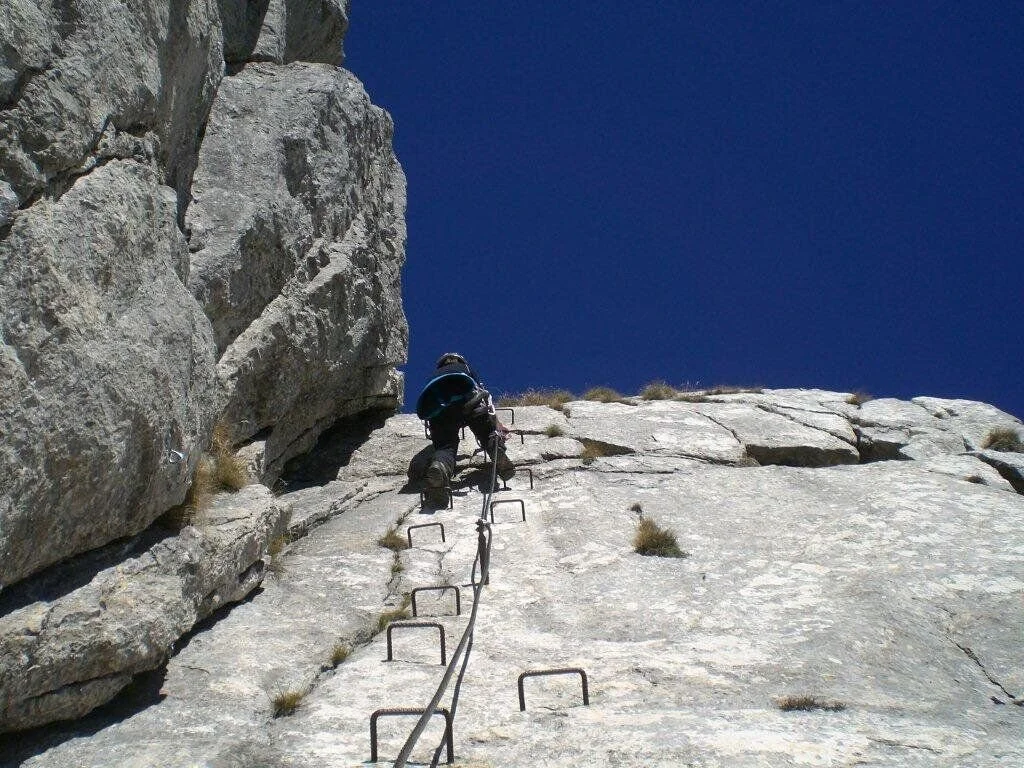
High above the border between Italy and Austria, the Via Ferrata Cellon “Senza Confini” (meaning “Without Borders”) is a dramatic and historical climbing route that follows the ridges of Monte Cellon (2,238 m) in the Carnic Alps.
It offers a perfect combination of vertical exposure, wartime history, and panoramic alpine scenery. With its steep walls, iron ladders, and strategic location along the old frontier, this via ferrata is both a physical challenge and a journey through time.
Introduction
The Via Ferrata Cellon, also known as Klettersteig Cellon “Senza Confini”, is one of the most emblematic ferratas in the Carnic Alps, straddling the border between Italy (Friuli Venezia Giulia) and Austria (Carinthia).
The route follows the steep northern face of Monte Cellon, a mountain that once marked the front line during World War I. Today, the ferrata honors this past while offering one of the finest exposed climbs in the region.
It is a demanding but accessible route for experienced via ferrata enthusiasts, combining steep verticals, war tunnels, and breathtaking summit views.
Trail Overview
Location: Monte Cellon (2,238 m), Carnic Alps – Border of Italy and Austria
Starting Point: Plöckenpass (Passo di Monte Croce Carnico, 1,357 m)
Difficulty: C/D (intermediate to difficult)
Length of ferrata section: approx. 450 m of cable
Total elevation gain: around 800 m (including approach and descent)
Duration: 3.5 to 5 hours (round trip)
Orientation: North face
Equipment: Full via ferrata set (helmet, harness, lanyard, gloves), good hiking boots, optional headlamp for tunnels
This ferrata is part of the “Senza Confini” system, which links several historical trails and military sites across the Austro-Italian border. Its name symbolizes the connection between two nations that once stood opposed on these very slopes.
Route Description
The adventure begins at the Plöckenpass parking area, from where a marked trail leads toward the base of Monte Cellon. After a short approach through alpine meadows and scree, the entrance to the ferrata is reached beneath the steep northern wall.
The Ferrata Section:
The first meters are vertical and immediately exposed, giving an adrenaline-filled introduction to what lies ahead. The route climbs a mix of natural rock and old war structures, with solid iron rungs and cables providing secure holds.
Midway, the ferrata enters a series of ledges and chimneys, where the climbing becomes more technical but extremely rewarding. The rock is excellent limestone, rough and stable, ideal for confident movement.
A highlight of the route is passing through a World War I tunnel, carved directly into the rock. Inside, the atmosphere is silent and haunting, a reminder of the history embedded in these mountains. A headlamp is useful for this section.
After exiting the tunnel, the route continues with steep ladder sections and a short overhang that requires upper body strength and efficient technique.
Finally, the ferrata eases as it nears the summit ridge of Monte Cellon, revealing sweeping views over the Carnic Alps, the Gail Valley, and the Dolomites in the distance.
Descent:
The descent follows the southern route on the Italian side, through rocky terrain and old military paths. It’s well-marked and takes about 1.5 hours back to the starting point at Plöckenpass.
Highlights
Historical Significance: The route follows the former front line of World War I, with preserved tunnels, shelters, and relics along the way.
Scenic Views: Panoramic vistas of the Carnic Ridge, Monte Coglians, and Austrian valleys.
Adrenaline and Exposure: The vertical limestone face delivers pure excitement with a mix of ladders, traverses, and airy sections.
Variety of Terrain: From alpine meadows to steep rock walls and underground tunnels, every section offers a unique experience.
Summit Reward: The view from the top of Monte Cellon (2,238 m) is one of the most striking in the entire Carnic range.
Difficulty and Required Skills
The Via Ferrata Cellon is graded C/D on the Austrian scale — meaning moderate to difficult.
It is suitable for experienced via ferrata climbers with good fitness and confidence on vertical rock.
Requirements:
Solid experience on previous ferratas rated B/C or higher
Strength in arms and legs for sustained vertical climbing
Comfort with exposure — the route is airy from start to finish
Good balance and technique for traverses and ladders
Basic understanding of alpine safety and weather conditions
While not extreme, the route can be physically demanding, especially in hot weather or with heavy gear. Beginners should only attempt it with an experienced guide.
When to Go
The best period to climb the Via Ferrata Cellon is late June to early October, depending on snow conditions.
In early summer, snow can linger on the north face and descent path, making access more difficult.
Autumn offers cooler temperatures and clear visibility, ideal for photography and safe climbing.
Avoid the route during or after rain, as the rock can become slippery and dangerous.
Access and Logistics
Starting Point:
Plöckenpass (Passo di Monte Croce Carnico), located on the border between Kötschach-Mauthen (Austria) and Timau (Italy).
Parking:
Available near the pass on both sides. From there, follow marked trails leading to the base of Monte Cellon (approx. 45–60 minutes approach).
Maps and Signage:
Well-marked from the pass. Trail signs indicate “Klettersteig Cellon / Senza Confini.”
Accommodation:
Austria: Gasthof Plöckenhaus, Kötschach-Mauthen
Italy: Rifugio Marinelli or Albergo Al Gallo Forcello
Both offer food and lodging for climbers.
Descent:
The normal route on the Italian side leads back to the pass. Alternatively, fit climbers can extend the day by linking nearby routes such as the Creta di Collinetta or Monte Croce Carnico military paths.
Why It Belongs on Every Adventurer’s List
The Via Ferrata Cellon “Senza Confini” embodies the essence of alpine exploration — challenge, history, and freedom.
Climbing its walls means retracing the footsteps of soldiers who once lived and fought among these cliffs, now transformed into a peaceful meeting place for mountaineers.
The route’s combination of exposure, technical variety, and historical atmosphere makes it one of the most memorable ferratas in the Alps. Whether you’re drawn by adrenaline, scenic beauty, or the spirit of the mountains, Cellon delivers an unforgettable experience.
From the first vertical step to the final view across the border, this is a climb that truly lives up to its name — “Without Borders.”