Via Ferrata Eiger Rotstock
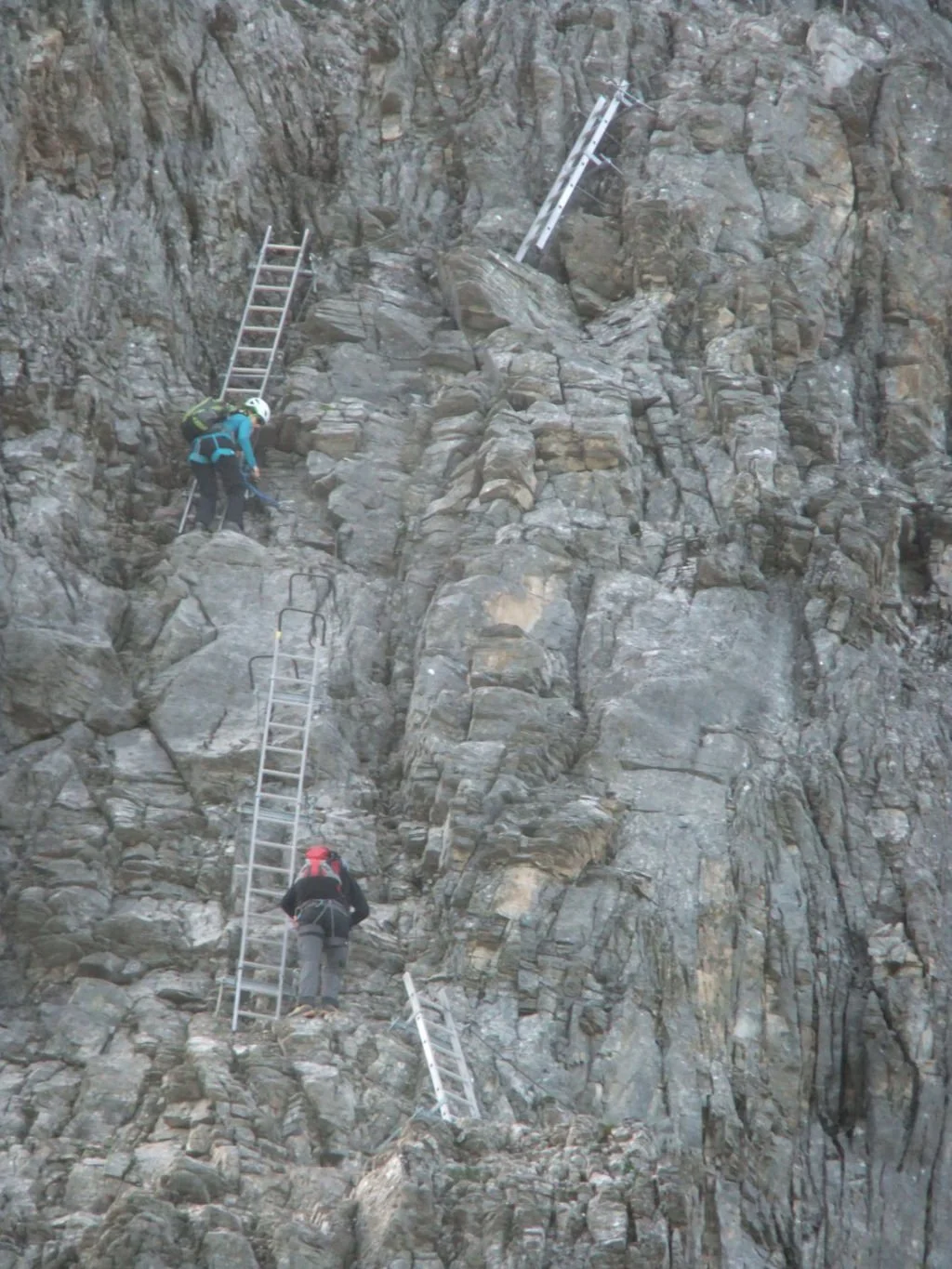
The Eiger Rotstock Via Ferrata is one of the most iconic alpine routes in the Bernese Alps, offering an extraordinary opportunity to climb on the historic Eiger North Face without requiring advanced mountaineering skills. It’s a route that blends adventure, exposure, and history — allowing hikers to touch the same rock that has challenged generations of climbers, while still following a secured and accessible path.
This via ferrata captures the essence of the Alps: the balance between human determination and the raw majesty of the mountains.
Trail Overview
Location: Eiger North Face, Grindelwald, Bernese Oberland, Switzerland
Starting Point: Eigergletscher Station (2,320 m)
Finishing Point: Eiger Rotstock Summit (2,663 m)
Elevation Gain: ~350 m
Distance: ~2.5 km (round trip including descent)
Duration: 2.5–3.5 hours (ascent and descent)
Difficulty Grade: K3–K4 (moderate to fairly difficult)
Type: Via Ferrata / Protected climbing route
Season: Late June to October (depending on snow conditions)
This route is ideal for hikers seeking their first real alpine climbing experience, while still remaining within the safety of steel cables, rungs, and ladders.
Route Description
The Eiger Rotstock Via Ferrata begins near the Eigergletscher railway station, the last stop before the famous Jungfraujoch line enters the tunnels inside the Eiger. From the station, a short approach path leads beneath the towering Eiger North Face, one of the most legendary walls in alpinism.
The ferrata starts with a gentle traverse before quickly rising along steep rock faces equipped with metal steps and fixed cables. Early sections require concentration and confidence, especially as the exposure grows — but the footing is solid and the protection continuous.
Halfway up, the route enters a series of narrow ridges and vertical ladders that bring climbers into the heart of the Eiger’s limestone walls. The view expands with every meter gained: to the south, the Jungfrau and Mönch dominate the skyline; below, the green valley of Grindelwald stretches into the distance.
The final section ascends a steep ridge leading to the summit of Eiger Rotstock (2,663 m) — a subsidiary peak of the Eiger itself. From the top, climbers are rewarded with panoramic views of glaciers, the Eiger’s main face, and the Lauterbrunnen Valley.
The descent follows a marked hiking trail back to the Eigergletscher station, passing alpine meadows and small scree slopes.
Highlights
Historic setting: The route climbs on the lower buttress of the Eiger North Face — one of the most famous walls in mountaineering history.
Spectacular views: Constant panoramas of the Jungfrau, Mönch, and Grindelwald Valley.
True alpine exposure: Vertical ladders, narrow ridges, and airy traverses that offer real mountain excitement.
Accessible adventure: A chance to experience authentic alpine climbing without the risks of unprotected ascents.
Summit reward: The Rotstock summit offers a stunning 360° panorama over glaciers, cliffs, and valleys.
Difficulty and Required Skills
The Eiger Rotstock Via Ferrata is graded K3–K4 on the standard via ferrata scale — moderate to fairly difficult. It is suitable for fit and confident hikers with some previous experience on mountain terrain or easier via ferratas.
What you need:
Physical fitness: Good endurance for 3–4 hours of continuous climbing and descending.
Technical ability: Comfort with exposure, good balance, and surefootedness on rock and ladders.
Equipment: Certified via ferrata set (harness, helmet, Y-lanyard with energy absorber, gloves), sturdy hiking or approach shoes.
Experience: Prior completion of an easier via ferrata (K2–K3) is recommended before attempting the Rotstock route.
Though protected by steel cables throughout, several sections are steep and exposed. Falling is rare but potentially serious — proper clipping technique and focus are essential.
When to Go
The route is typically accessible from late June to early October, depending on snow conditions at the upper sections.
Best months: July, August, and early September
Early season (June): Some snowfields may remain; crampons or microspikes might be useful.
Autumn (September–October): Crisp air, fewer crowds, and excellent visibility, though weather changes can be sudden.
Afternoons often bring clouds and storms in the Alps, so early starts are recommended to ensure a safe and enjoyable climb.
Access and Logistics
Starting point:
Take the Jungfrau Railway from Grindelwald or Lauterbrunnen to Eigergletscher Station (2,320 m). The via ferrata trailhead is clearly marked just below the station.
Descent:
From the Rotstock summit, follow the marked path down toward Eigergletscher (approximately 45–60 minutes).
Parking:
Available in Grindelwald near the terminal stations of the Jungfrau railway.
Gear rental:
Via ferrata sets can be rented in Grindelwald or Interlaken outdoor shops. Guided tours are also available for those who prefer to climb with an instructor.
Time required:
Including access, ascent, summit break, and descent, plan for about 3 to 4 hours in total.
Why It Belongs on Every Adventurer’s List
Climbing the Eiger Rotstock Via Ferrata is more than a mountain activity — it’s a direct encounter with Alpine history and one of the most awe-inspiring walls in Europe.
It allows ordinary hikers to step into the vertical world of the Eiger, following the line of mountaineering legends, but with the safety and structure of a modern via ferrata.
Few routes in the Alps offer such a perfect blend of thrill, accessibility, and scenery. From the clang of your carabiners against the steel cable to the quiet breath of wind on the summit, the Rotstock ferrata delivers a rare feeling of closeness to the mountain itself.
For those seeking an authentic yet approachable alpine adventure, this is one of the most unforgettable climbs in Switzerland.