Via Ferrata Corno dei Tre Signori (Sentiero dei Fiori area)
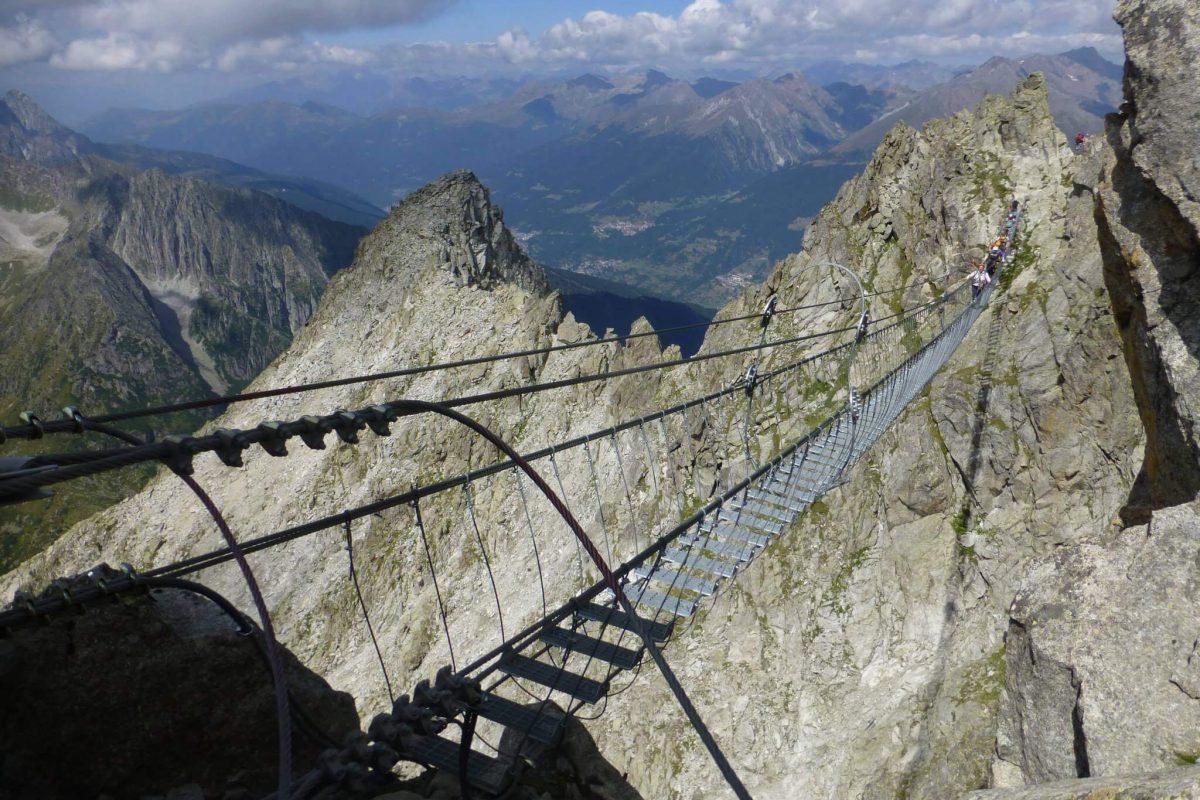
The Via Ferrata Corno dei Tre Signori is a high-altitude adventure set within the Adamello-Presanella Alps, near the famous Sentiero dei Fiori. This route combines wartime history, exposed ridgelines, and dramatic glacial scenery, offering a demanding but rewarding experience for well-prepared climbers. Known for its stunning panoramic sections and solid ironwork, it remains one of the lesser-known but most atmospheric via ferratas in the region.
Trail Overview
Duration: 3 to 4 hours for the via ferrata section; full outing typically 6 to 8 hours depending on approach.
Difficulty: Medium to hard (C/D sections depending on conditions).
Best for: Experienced hikers and confident via ferrata climbers seeking an exposed alpine route with historical features.
Exposure: High to very high; prolonged sections on ridges and steep walls.
Required Gear: Helmet, harness, via ferrata set, gloves, stiff hiking boots; recommended: layers for sudden weather changes, headlamp, map/GPS, and basic alpine emergency kit.
Route Description
The route begins near the Passo Castellaccio area, accessed through a steep but well-marked mountain path leading toward the ridgeline. The initial segments introduce metal cables and small ladders that help climbers ascend the rocky buttresses of Corno dei Tre Signori.
As the route progresses, the terrain becomes increasingly exposed, with narrow ledges, traverses over deep drop-offs, and iron rungs pinned into the rock. Several panoramic crossings connect remnants of World War I military paths, tunnels, and old observation points carved directly into the cliffs. The final ascent follows an airy crest that provides sweeping views of the Adamello glaciers before emerging at the summit area of Corno dei Tre Signori.
The descent typically follows a marked alpine trail leading back toward the Castellaccio ridge or toward Passo Paradiso depending on chosen itinerary.
Highlights
Continuous exposure on high alpine ridges surrounded by dramatic glacial landscapes.
Historical WWI fortifications, tunnels, and observation posts built into the mountain.
Clean, well-maintained ironwork offering secure but thrilling climbing.
Panoramic viewpoints over the Adamello Glacier, Presanella, and the Brenta Dolomites on clear days.
A quieter alternative to the more famous Sentiero dei Fiori while sharing the same high-altitude atmosphere.
Difficulty and Required Skills
This via ferrata is best suited for climbers with previous experience on exposed alpine routes. Sections graded C/D require good upper-body strength, secure footing, and the ability to manage sustained exposure. High altitude (above 2,800 m) can add fatigue and weather risks, so acclimatization and physical conditioning are important.
Route-finding is generally clear, but self-assurance on mixed terrain, including short scrambling sections, is essential. Competence with via ferrata equipment and understanding basic alpine safety principles are mandatory.
When to Go
The ideal season runs from late June to early September. Snow can linger on the ridge well into summer, and storms can develop quickly at altitude. Early starts are recommended to avoid afternoon weather changes and ensure good visibility. Outside this window, conditions may be unsafe due to snow, ice, or unstable terrain.
Access and Logistics
The most common starting points are Passo del Tonale or Passo Paradiso. Many climbers take the Paradiso cable car to shorten the approach and limit elevation gain. From the upper station, a well-marked trail leads toward the Castellaccio ridge and the ferrata’s start.
Parking is available at Passo del Tonale, and mountain huts in the surrounding area offer accommodation for multi-day outings. Weather checks and up-to-date reports on snow conditions are strongly recommended before setting out.
Why It Belongs on Every Adventurer’s List
Via Ferrata Corno dei Tre Signori offers a rare blend of alpine beauty, historical depth, and technical excitement. Its exposed ridges, panoramic lines, and wartime remains create a unique experience that captures the spirit of the high Alps. For those seeking a challenging yet deeply rewarding route in the Adamello region, this via ferrata represents one of the most atmospheric climbs available.