Via Ferrata du Vidourle
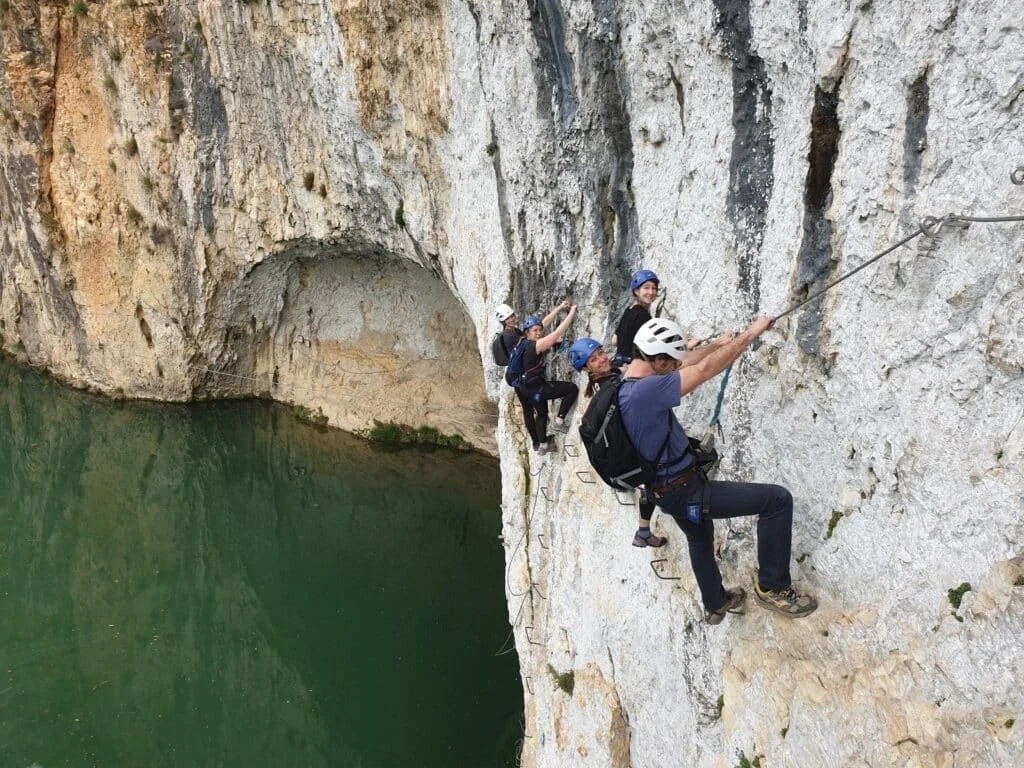
The Via Ferrata du Vidourle is a thrilling, vertical playground perched above the Vidourle River in the Languedoc-Roussillon region of southern France. Set between the departments of Hérault and Gard near the village of Saint‑Sériès, this via ferrata blends easy access with adventure-style features—making it a compelling choice for both beginner ferrata enthusiasts and more experienced thrill-seekers. What sets it apart is the combination of cliff-side cables, suspension bridges, a zip-line, and the dramatic canyon environment of a river gorge.
Trail Overview
Location: Saint-Sériès, Occitanie region, France — on the border of Hérault and Gard, above the Vidourle River.
Route type: Via ferrata (protected climbing route) using steel cables, rungs, foot‐bridges, zip‐lines and other features.
Length / vertical exposure: The exact cliff length is relatively moderate; descriptions highlight around 200 m of vertical gain in the steeper variant.
Duration: Approximate total activity time ~2–3 hours including approach, climbing section and exit.
Suitability: Two main itineraries available — a gentler route for beginners/families, and a more challenging variant for experienced users.
Route Description
Approach: Park at the designated car-park for the via ferrata near Saint-Sériès. A short walk (typically ~10 minutes) along the river or trail brings you to the base of the cliff and the start of the route.
Start section (all-levels route): After a briefing, you begin climbing with steady protection via cables and rungs, just above the water of the Vidourle river. The exposure is moderate and the route is designed to build confidence.
Features & progression: As you ascend, you encounter suspension bridges or foot-bridges spanning rock sections, a zip-line over the gorge (in some versions), vertical ladder sections and perhaps overhangs depending on which version you choose.
Advanced variant: For the more experienced route, the climb branches into steeper terrain, with stronger vertical walls, more exposure, and more technical progression. This variant may require more arm strength and surefootedness.
Exit: After reaching the crest or higher ledge, you descend via trail back to the valley floor, often returning along the river or using marked exit paths. Expect around 15–20 minutes descent.
Highlights
Cliff-hanging above the water: The route runs right above the Vidourle River, creating a dramatic sensation of height and flow beneath your feet.
Zip-line and suspension bridge fun: Unique aerial elements such as a zip-line or monkey bridge add an adventure playground feel not always present in standard via ferratas.
Accessibility and scenic location: Located just between Nîmes and Montpellier, the route is easily accessible yet offers wild scenic canyon views and limestone cliffs. Manawa+1
Dual-itinerary flexibility: Whether you’re a beginner seeking a less-exposed climb or a seasoned ferratist looking for more challenge, the via offers both.
Natural setting and biodiversity: The gorge and rock walls above the Vidourle support varied birdlife and flora, adding a nature-exploration dimension to the climb.
Difficulty & Required Skills
Difficulty rating: The harder variant is rated around TD / E in French grading (très difficile / extrèmement difficile) for the steep sections.
Required skills for the easier route: Good physical fitness, absence of severe fear of height, basic experience with via ferrata or secured climbing helpful.
Required skills for advanced route: Strong arm and leg strength, confident footwork on vertical or slightly overhanging rock, comfortable with exposure and stepping off fixed holds; also ability to self‐rescue or exit if weather changes.
Equipment: Standard via ferrata set (harness, energy‐absorbing lanyard, helmet, via ferrata gloves), sturdy hiking or climbing shoes, and appropriate clothing. Since the route runs over a river gorge, waterproof or quick‐dry gear is wise.
Safety notes: Even the easier version crosses exposed ledges and aerial footbridges — if you are unsure of your ability to handle moderate exposure, consider going with a qualified guide.
When to Go
Best season: Late spring through early autumn (May to September) offers the best weather, warm rock, accessible routes, and lively scenery.
Avoid: Mid-winter or early spring when rock can be icy, water levels may be high, and the metal fixtures slippery. Also avoid during heavy rainfall or thunderstorms — exposed metal cables can be dangerous.
Time of day: Early morning climbs are recommended for cooler temperatures and fewer crowds. Afternoon may bring warm sun on the limestone but also risk of changing weather.
Crowd considerations: Because of its accessibility and fun features, the via ferrata can be popular — going early or on weekdays helps avoid lagging groups or caused delays.
Access & Logistics
Getting there: The via ferrata is located near Saint-Sériès (postal code 34400) in Hérault, France. It is about 35–40 minutes’ drive from Montpellier via the A9 motorway.
Parking & meeting point: There is a car parking area for the via ferrata. On arrival you will likely meet at a briefing area where equipment is issued (for guided or rental versions).
Guide vs self-guided: Many operators offer guided versions of the route (especially for the more advanced variant) including equipment rental and safety briefings. Beginners are advised to go with a guide.
Duration & schedule: Plan for at least half a day including approach, climb, descent and return to base. You might allocate 2–3 hours for the climb itself, plus travel and briefing time.
Rescue & phone signal: As with any via ferrata in remote terrain, check local rescue contact information and ensure mobile phone signal availability before starting.
Weather & water conditions: Since the route is above a river gorge, water levels in the Vidourle may affect the sensory experience and safety (it’s best done in stable dry weather).
Why It Belongs on Every Adventurer’s List
The Via Ferrata du Vidourle combines ease of access with pure adventure — a rare combination in the world of vertical routes. You’ll climb suspended above water, cross aerial bridges, perhaps fly via zip-line, all while immersed in a wild limestone canyon only minutes from major cities. For the beginner hungry for their first serious “iron path” experience, it’s ideal. For the seasoned ferratist, the tougher variant delivers adrenaline and exposure worthy of memory. Add the southern French setting, warm sunshine, river below, and you have a route that delivers both thrill and scenery. Whether you chronicle it in your outdoor blog, aim to build your first via ferrata logbook entry, or simply want an unforgettable day above a river in full vertical mode — this one ticks all boxes.