Via Ferrata du Rocher du Bez
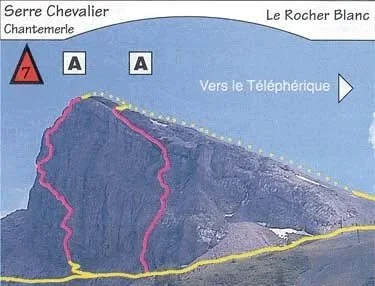
High above the valley of Serre Chevalier in the Hautes-Alpes region of France, the Via Ferrata du Rocher du Bez offers a thrilling but accessible taste of vertical adventure. Perfect for those stepping into the world of via ferrata (climbing routes fixed with steel cables and rungs), this route blends airy exposure with approachable terrain and sweeping alpine views. Whether you’re a curious adventurer or guiding younger companions, this route is a gateway to mountain excitement.
Trail Overview
Location: Near La Salle‑les‑Alpes / Villeneuve-la-Salle, Serre Chevalier valley, France.
Two parallel routes:
Route 1: ~350 m long, ~67 m vertical gain, starts at ~1,520 m, top ~1,600 m. Ascension ~2 h. Rock: quartzite.
Route 2 (children / beginners): ~250 m long, ~80 m vertical gain, starts ~1,420 m, top ~1,500 m.
Season: Open roughly from June 1 to October 1.
Difficulty rating: Generally classified as “easy” via ferrata (French grade PD) making it ideal for beginners.
Route Description
You begin with a short approach walk (~20 minutes for the main route) from the parking area. The climb embarks along a steep wall at first, but quickly settles into a varied yet manageable vertical route. The climb includes:
Initial vertical or near-vertical section to test your footing.
Traverses and rungs across the rock face, offering exposure and the sensation of floating above the valley.
A short descent or “downhill section in the wall” as part of the main route — which is unusual and adds a fun twist.
Route finishes at a ledge or top platform with broad views over the valley below (Serre Chevalier and Briançon area). Then descent either by a path or aided return into the valley.
For the children’s variant: a shorter, less exposed line, less vertical at the start, designed for younger or less experienced participants (~age 6+ depending on operator) and lower vertical gain.
Highlights
Stunning alpine panorama from the cliff above the Serre Chevalier valley — the elevated vantage point makes every moment memorable.
Accessible vertical thrills with metal rungs and cables, giving those new to via ferrata the opportunity to feel the height and exhilaration of mountain climbing in safe conditions.
Unique downhill section in the wall – a descent on the rock face adds a playful element and enhances the “floating over the valley” sensation.
Family‐friendly option – the second route is designed for kids and novices, allowing families to share the experience.
Quick ascent, big reward – less than ~2 h for the climb means you can integrate the route into a full mountain day, perhaps preceded or followed by a hike, picnic or cable-car ride.
Difficulty & Required Skills
While this via ferrata is among the easier and more approachable ones, a few key considerations remain:
Physical fitness: Moderate – you need the strength to pull yourself up, maintain balance on metal rungs, and manage exposure.
Height exposure: Even though the route is rated “easy”, exposure remains — if you are sensitive to heights, the exposed traverses will still feel significant.
Equipment: Standard via ferrata gear (helmet, harness with via ferrata lanyards, gloves) is required. Good mountain shoes (not just trainers) improve safety.
Be surefootedness: The quartzite rock can become slippery if wet; caution is needed in damp conditions.
Weather awareness: Rock walls are subject to storms. Metal rungs and cables are conductive when wet or under lightning risk — check forecast and avoid during storms.
Not a purely hiking trail: Though easy, it still uses vertical climbing aids, so treat it as a climbing route rather than a walk.
Overall classification: Suitable for beginners to intermediate via ferrata‐enthusiasts, but with respect to vertical terrain and exposure.
When to Go
Best season: June to October. Opening generally from early June until early October.
Early season (June): Water flow in valley strong, lush greenery, possibility of still some snow at very early season.
High summer (July-August): Warmest conditions, busiest period; early morning start recommended to avoid heat and crowds.
Late season (September): Cooler air, quieter route, golden alpine light — excellent for photography and calmer climb.
Avoid thunderstorms (classic in summer afternoons in the Alps) – climb preferably in morning when weather stable.
Access & Logistics
Base village: The via ferrata lies near La Salle-les-Alpes / Villeneuve-la-Salle in the Serre Chevalier valley (Hautes-Alpes, France).
Parking & approach: Drive to the forest road above Pontillas lake / adventure park “Serre Che Aventure”, park at the designated parking for the via ferrata. Then ~10-20 min walk to start depending on route.
Arrival from major hubs: Nearest large town is Briançon; Serre Chevalier resort is well connected by road.
Equipment rental / guiding: Local guide offices (e.g., bureau des guides in Serre Chevalier) offer equipment rental and guided ascents (especially for family groups).
Time commitment: The climb itself takes around 1.5–2 h for the main route; plan 3–4 h including approach, descent and photo stops.
Cost: The route is listed as free (no fixed fee) according to local info, but equipment rental or guide services will be billed.
Safety check: Ensure harness and via ferrata lanyards are in good condition; helmets mandatory. Local operators may require age minimum or supervision for children.
Why It Belongs on Every Adventurer’s List
The Via Ferrata du Rocher du Bez hits a sweet spot: accessible enough that many can attempt it, yet dramatic enough to evoke a genuine alpine climbing experience. It offers vertical thrills, exposure, a stunning setting, and strong “wow” factors — all without the commitment and risk of a high-altitude alpine route.
For adventurers looking to step up from hiking to vertical terrain, or families seeking an unforgettable shared experience, this via ferrata delivers. The combination of rock, air, valley panoramas and mountain atmosphere makes it a standout. It’s one of those experiences where you’ll emerge feeling you’ve truly “been in the wall” of the Alps — with memories of steel rungs, wind in your face and the ground far below.
For your All Hiking audience — many of whom are passionate about alpine trails, outdoor vision and narrative — this route offers a fantastic story: climb the rock, view the world differently, return to valley life with a sense of achievement.