Via Ferrata d’Artigue
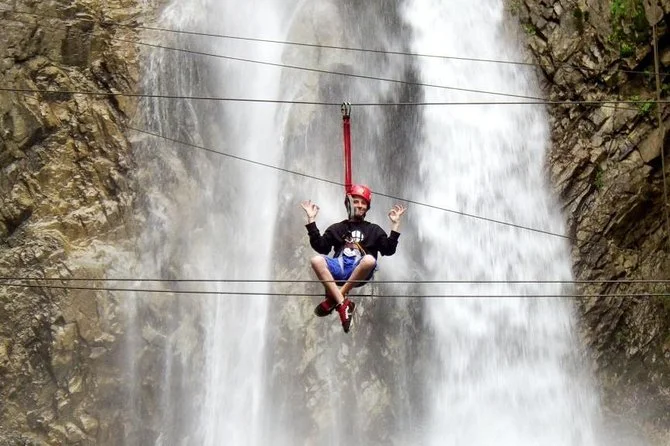
High above the valleys of the French Pyrenees lies the exhilarating route of the Via Ferrata d’Artigue — a vertical adventure that blends the thrill of climbing with the raw beauty of mountain landscapes. More than a simple trail, this via ferrata invites hikers to climb steel-rungs, cross airy bridges and traverse rocky walls, all while immersed in the Alpine world. For the adventurous walker of your All Hiking audience, it’s a route that sparks both heart-rate and soul.
Trail Overview
Location: Ariège region, French Pyrenees (near the valley of Vicdessos / Auzat)
Type of route: Via ferrata (a protected climbing route with steel cable, rungs, ladders, sometimes bridges)
Approximate length/vertical exposure: While specific published data for the Artigue route is limited, other nearby via ferratas in Ariège feature several hundred metres of vertical climbing and large cable-net sections. e.g., the neighbouring Via Ferrata du Vicdessos has ~300 m elevation gain.
Scenery style: Limestone cliffs, vertical drops, panoramic views of the Pyrenean summits, forested approach.
Overall vibe: Vertical terrain, high exposure, thrilling but accessible to strong hikers with correct equipment.
Route Description
Approach: From the base valley (likely Vicdessos/Auzat), a trail leads up to the foot of the cliff or rock wall where the via ferrata begins. The approach might be 20–30 minutes of uphill walking.
Ascent begins: The route starts with steel rungs fixed into the rock, a cable to clip on, and a progressive climb up the face.
Mid-section features: Expect steeper vertical walls, possibly an overhang, iron ladder sections, and perhaps a small suspension bridge or traverse. The exposure rises significantly at this stage.
High section / panorama point: At the upper reaches the terrain widens, the view opens to the valley and summits beyond. The route may level out or cross a ledge before the final exit.
Exit & descent: After the climbing section, a walking path or easier scramble leads back down to the valley or to a comfortable descent trail.
Return to start: Follow signposted descent or trail back to the parking or base point.
This mix of vertical climbing with walking approach & exit makes the Via Ferrata d’Artigue a complete adventure.
Highlights
Rock-face climbing with view: You ascend exposed walls with dramatic views of the Pyrenees.
Adrenaline moments: The iron rungs, possible ladders and cable-assured movement give a sense of exhilaration.
Scenic alpine landscape: The setting near the Montcalm massif and deep valleys adds a wild, remote character.
A memorable story for your audience: This is more than a hike — it’s an alpine climb experience, perfect for adding to your All Hiking series aimed at adventurers and outdoor storytellers.
Photography potential: High vantage points, vertical lines, the interplay of rock and sky — ideal for drone shots, GoPro footage, Instagram posts.
Difficulty & Required Skills
Difficulty: Elevated versus standard hike. While full technical climbing gear (ropes, belays) may not be required, the via ferrata demands climbing ability, comfort with exposure and climbing on fixed equipment.
Skills needed:
Sure-footedness and good balance.
Upper-body strength to use rungs/iron steps.
Comfort with heights and exposed terrain.
Familiarity with via ferrata equipment (harness, via ferrata lanyard, helmet).
Basic orientation and descent skills.
Equipment required: Via ferrata kit (harness, shock-absorbing lanyard, carabiners), helmet, gloves (optional but recommended), good hiking boots with grip, possibly a light backpack with water/snack.
Safety caution: Via ferrata features can be slippery when wet; weather changes in alpine terrain are rapid — strong rain or fog may significantly increase risk.
Not for beginners: If you’re comfortable with standard mountain hiking but have never done vertical equipment or exposed climbs, this route could stretch your limits.
When to Go
Best season: Late spring through early autumn (June to September) when rock is dry, conditions stable.
Avoid: Periods of heavy rain, early-season snowmelt or late-season early frost — climbing holds and rungs may be icy or wet.
Time of day: Start early in the day to avoid afternoon thunderstorms (common in mountains) and to enjoy cooler shadows. Late afternoon light also brings dramatic visuals.
Weather-check: Always check local avalanche/rockfall warnings, and ensure route is open (some via ferratas close for maintenance or conditions).
Crowds: Being a less globally famous via ferrata (versus those in the Alps proper), you may find fewer people, which is a plus for your storytelling.
Access & Logistics
Base location: The route lies in the Ariège Pyrenees, France — near Vicdessos / Auzat valleys.
Access by car: Drive to the valley road, park at trailhead or near the base village. Ensure parking is official and safe.
Public transport: Limited; likely best to travel by car or mountain-shuttle if available.
Required permits / fees: Check whether local management charges a transit or via-ferrata fee; also verify equipment rental if you don’t bring your own.
Accommodation: Stay in a nearby mountain village (Vicdessos or Auzat) or in a chalet/hôtel in the valley. Good choice for combining the via ferrata with other hikes or adventures.
Guide services: If you or your audience want a guided experience (especially first time), local mountain guide companies likely operate in the region.
Emergency / exit routes: Ensure you know the descent trail and emergency contact (local mountain rescue) numbers.
Equipment rental/rescue point: Confirm kit available locally (harness, lanyard) if you travel light.
Why It Belongs on Every Adventurer’s List
The Via Ferrata d’Artigue is an experience that elevates hiking into the vertical realm — offering both physical challenge and mountain magic. For your All Hiking brand, it checks all the boxes: a memorable story, stunning visuals, and a mix of adventure plus accessibility.
It’s not the easiest stroll, but that’s precisely why it resonates with travellers and outdoor lovers seeking something more than a typical trail. The thrill of climbing a rock face, the reward of epic panorama, the sense of stepping into mountain terrain where you “earn” the view — these are what make this route stand out.
In short: It gives the kind of content and image your community craves — drone footage soaring above cliffs, POV clips of iron rungs, sunset light on the Pyrenees range.