Via Ferrata dei Tre Signori
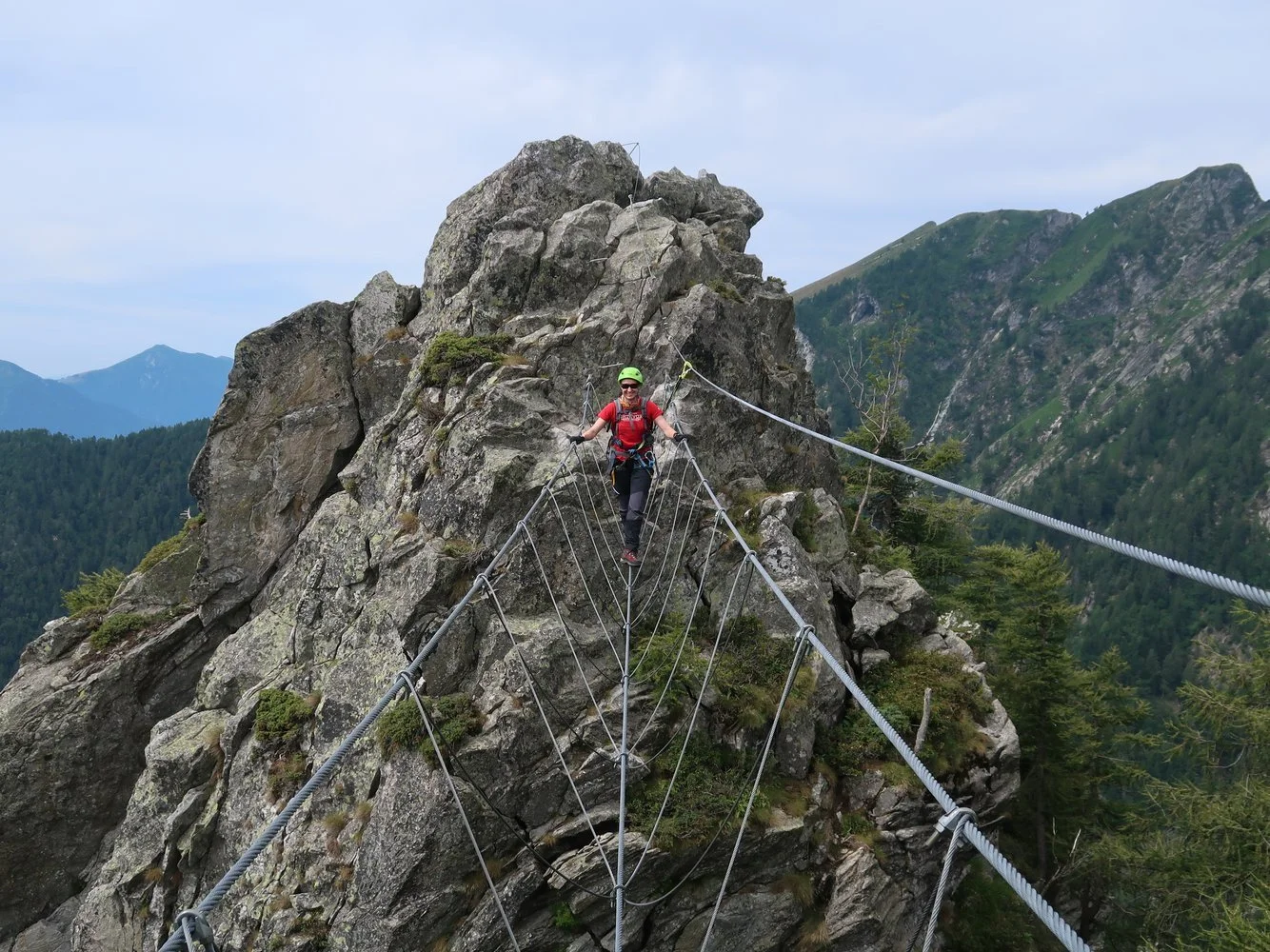
Via Ferrata dei Tre Signori is one of the standout alpine routes in the Bergamo Alps, offering a mix of exposed traverses, steep rock faces, and rewarding panoramic views over rugged limestone peaks. Known for its technical passages and airy ledges, this via ferrata appeals to those seeking a true mountain experience without venturing into full climbing terrain. It blends adventure, athleticism, and scenery into a demanding but memorable outing.
Trail Overview
Duration: 5 to 6 hours round trip (including approach and descent).
Difficulty: Medium–High (typically rated C/D depending on conditions).
Best for: Experienced via ferrata enthusiasts, confident hikers with good fitness, and adventurers seeking a varied route with exposure.
Exposure: High. Includes vertical walls, traverses on ledges, and sections of void beneath the feet.
Required gear: Certified via ferrata set with energy absorber, climbing helmet, harness, gloves, sturdy mountain footwear. Optional: lightweight via ferrata lanyard for resting, weather-appropriate layers.
Route Description
The approach begins on a mountain trail leading toward the rocky outcrops surrounding the Passo dei Tre Signori. As the path gains elevation, it transitions from grassy slopes to more rugged limestone terrain. The start of the ferrata is clearly marked with steel cables.
The first section features moderate vertical climbing on solid rock, allowing participants to warm up while building rhythm. After a short ramp, the route steepens significantly, introducing exposed traverses and short vertical walls requiring careful foot placement. The Middle Section is the most demanding, combining ladders, metal rungs, and natural holds with long stretches of sustained exposure.
As the cable progresses upward, the views widen, revealing deep valleys and the surrounding summits of the Bergamo Alps. The final stretch is a beautiful ridge-style finish, where the route eases in difficulty but remains spectacular. Upon reaching the exit point, a short hike leads to panoramic viewpoints near the pass before descending back on marked alpine trails.
Highlights
A varied and athletic route combining vertical climbing, airy traverses, and ridge exposure.
Expansive views of the Bergamo Alps and surrounding peaks throughout the ascent.
Solid rock quality and well-maintained equipment.
A real alpine atmosphere without requiring technical climbing knowledge.
A scenic descent that completes a rewarding loop through high-mountain terrain.
Difficulty and Required Skills
Via Ferrata dei Tre Signori demands a strong sense of balance, confidence with exposure, and good physical conditioning. Climbers must be prepared for sustained vertical sections and traverses with limited opportunities to rest. Familiarity with via ferrata technique is essential, particularly for clipping efficiently and maintaining three points of contact. While not extreme, the route is not recommended for beginners or those with fear of heights.
When to Go
The ideal season is late June to late September. Early summer may present lingering snow patches, especially near the approach and exit. Weather can change rapidly in the Bergamo Alps, so stable conditions and clear forecasts are crucial. Avoid the route in wet conditions, as the limestone becomes slippery and dangerous.
Access and Logistics
The via ferrata is typically accessed from trailheads near the Passo San Marco or nearby mountain huts, depending on the chosen approach. Parking is available at designated trailhead areas below the pass. The approach hike generally takes 1.5 to 2 hours, depending on fitness.
Expect alpine terrain and be prepared with sufficient water, nutrition, and weather layers. Some hikers choose to combine the via ferrata with a visit to local huts for food or overnight stays. Always check local route conditions before starting, as mountain weather and maintenance schedules can affect safety.
Why It Belongs on Every Adventurer’s List
Via Ferrata dei Tre Signori offers an engaging blend of technical challenge, scenic beauty, and authentic alpine character. It stands out as a route where every section feels purposeful—neither excessively engineered nor overly demanding. The combination of height, exposure, and sweeping landscapes makes it an unforgettable experience for anyone seeking a rewarding day in the Italian mountains.