Via Ferrata Allmenalp
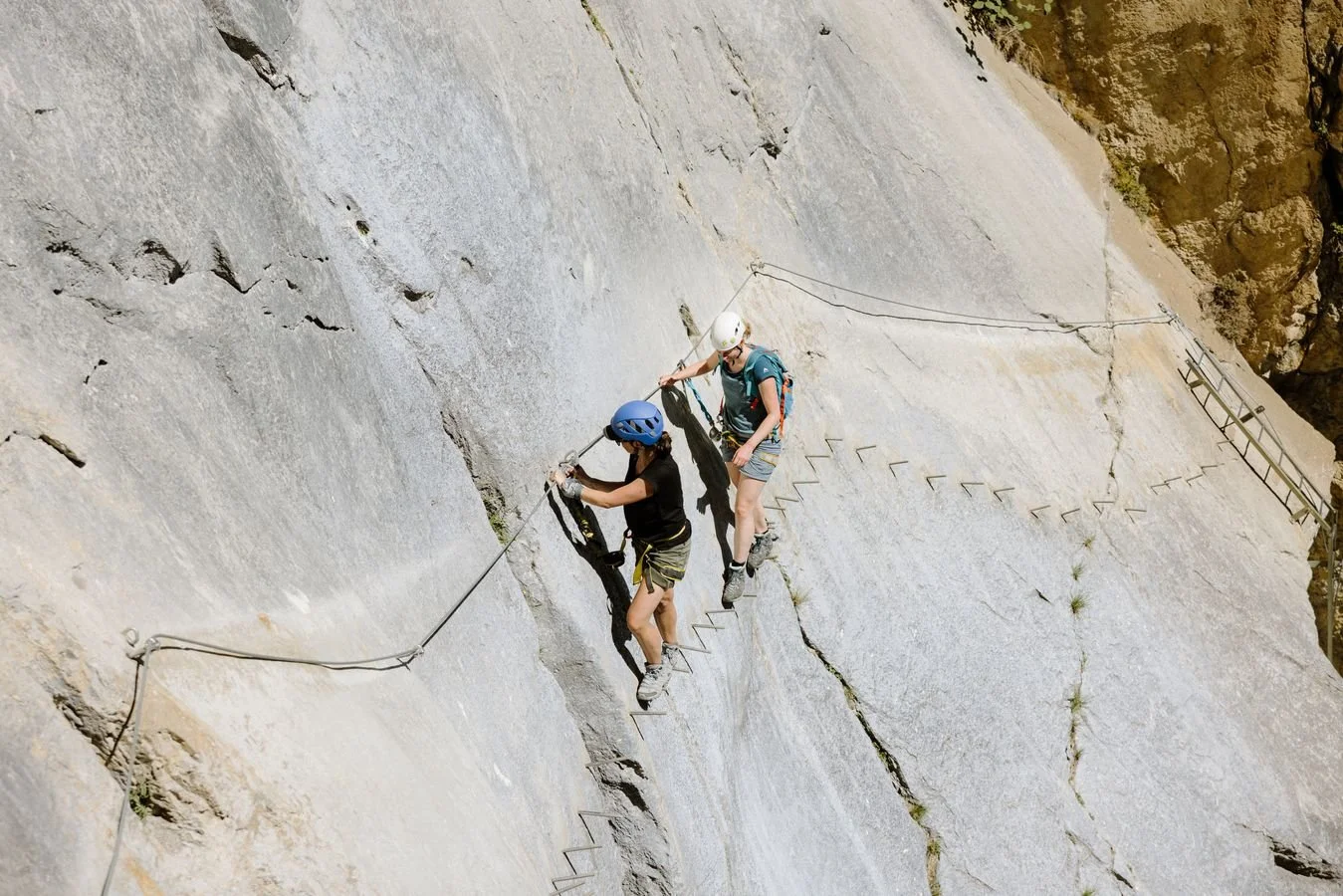
High above the picturesque village of Kandersteg in Switzerland’s Bernese Oberland lies one of the most exhilarating via ferratas in the Alps — the Via Ferrata Allmenalp.
This route is a masterpiece of alpine engineering, combining dramatic cliffs, roaring waterfalls, and vertiginous exposure into one unforgettable vertical adventure. It’s a climb that perfectly balances adrenaline and beauty, offering a pure taste of what makes the Swiss Alps legendary.
Trail Overview
Location: Kandersteg, Bernese Oberland, Switzerland
Starting altitude: ~1,200 m
Finishing altitude: ~1,720 m
Vertical gain: around 480 m
Route length: approx. 350 m vertical ascent
Duration: 2 to 3 hours (climb only)
Difficulty grade: K3–K4 (intermediate to challenging) on the Hüsler via ferrata scale
Exposure: Very high – constant vertical climbing beside a powerful waterfall
Type: Fixed-cable via ferrata with ladders, pegs, and bridges
Season: Late May to October (depending on conditions)
The Via Ferrata Allmenalp is one of the most scenic routes of its kind in Switzerland. It ascends steep limestone walls beside a waterfall, passes through airy traverses and hanging bridges, and finishes on the Allmenalp plateau with a stunning panorama over the Kander Valley.
Route Description
The route begins near the base station of the Allmenalp cable car, just a few minutes from Kandersteg village. The entry point is well-marked and sits at the bottom of a tall limestone cliff. From the very first meters, the climb demands focus: the wall rises sharply, and the sound of rushing water grows louder with every step.
Section 1 – The Vertical Start:
The climb begins immediately with vertical iron rungs and solid rock holds. Within minutes, the exposure becomes impressive as you rise above the treetops, following the first stretch of cables running parallel to the waterfall.
Section 2 – Waterfall Traverse:
Midway through the route, the path veers toward the falls themselves. Here, mist sprays your face as you climb right beside the cascading torrent. The proximity to the water creates an atmosphere that is both intimidating and awe-inspiring.
Section 3 – Suspension Bridges:
The highlight for many climbers is the series of airborne suspension bridges that cross from one cliff to another. These bridges sway slightly underfoot, suspended hundreds of meters above the valley floor. Each step rewards you with incredible views of Kandersteg and the surrounding peaks.
Section 4 – The Final Wall:
The last portion is the steepest. The route continues nearly vertical, with several overhanging sections that test endurance and mental focus. Finally, the line tops out on the grassy plateau of Allmenalp, where the sound of the waterfall fades into silence and the views open wide over the entire valley.
At the top, hikers can rest at the nearby Allmenalp mountain restaurant, a perfect place to celebrate the ascent before taking the cable car back down to the valley.
Highlights
Continuous vertical exposure from start to finish.
Waterfall proximity: climb directly beside the roaring Allmibach Falls.
Suspension bridges offering some of the most photogenic moments in the Swiss Alps.
Panoramic summit views over Kandersteg, Blümlisalp, and the Oeschinen Valley.
Accessible yet thrilling: easily reached from Kandersteg, but feels like a true alpine climb.
Difficulty and Required Skills
The Via Ferrata Allmenalp is rated K3–K4 on the Hüsler scale, equivalent to intermediate to difficult.
It is not suitable for beginners without prior via ferrata experience. Climbers must be comfortable with:
Sustained vertical exposure for long periods.
Steep, athletic climbing on iron rungs and natural rock.
Managing carabiners and safety gear efficiently.
Endurance: the route demands constant movement for 2 to 3 hours with little rest.
Required equipment:
Certified via ferrata set (Y-lanyard, energy absorber, harness, helmet).
Gloves for better grip on cables.
Sturdy shoes or approach shoes with good traction.
Optional: via ferrata brake carabiner or cow’s tail for resting on steep sections.
Those with limited experience are strongly advised to hire a local mountain guide in Kandersteg, especially when the rock is wet or slippery.
When to Go
The ideal season runs from late May to October, depending on snow and weather conditions.
The climb faces east, meaning it receives sunlight early in the day but can be shaded by afternoon. Mornings often offer the best light and visibility.
Avoid attempting the route after heavy rainfall — the rock can become slick, and spray from the waterfall increases significantly. Early summer brings the most powerful water flow, creating a more dramatic (and wetter) experience, while late summer and autumn offer drier, more stable conditions.
Access and Logistics
Base: Kandersteg, located in the Bernese Oberland. The village is accessible by train from Bern (1h 15min) or Interlaken (1h).
From Kandersteg train station, it’s a 10–15 minute walk to the Allmenalp cable car base station, where the via ferrata entrance is located.
Start: Allmenalp cable car base station (1,200 m).
Finish: Allmenalp upper station (1,720 m).
Descent: Most climbers take the cable car back down (about 5 minutes). A steep hiking trail also descends to Kandersteg (~1 hour).
Fees: The via ferrata itself is free to climb, but a small fee applies for using the cable car.
Facilities: Rental equipment, guiding services, and refreshments available at the cable car station.
The Allmenalp area also connects with hiking trails leading toward Elsigenalp and higher alpine viewpoints, allowing climbers to extend the day into a full mountain outing.
Why It Belongs on Every Adventurer’s List
The Via Ferrata Allmenalp offers a perfect blend of vertical challenge and natural beauty — a true icon of the Swiss Alps. It’s demanding enough to thrill experienced climbers, yet structured and safe enough for determined intermediates who crave adventure beyond traditional hiking.
Few routes deliver such an intense combination of physical effort, raw exposure, and stunning alpine scenery. The constant roar of the waterfall, the dizzying bridges, and the sense of elevation make every moment unforgettable.
At the summit, when you finally step onto the grassy plateau and look down at the valley far below, you feel not only accomplishment but awe — the kind that only the high Alps can inspire.