Kumono-daira-sanso (雲ノ平山荘)
050-8882-5831
☎️
050-8882-5831 ☎️
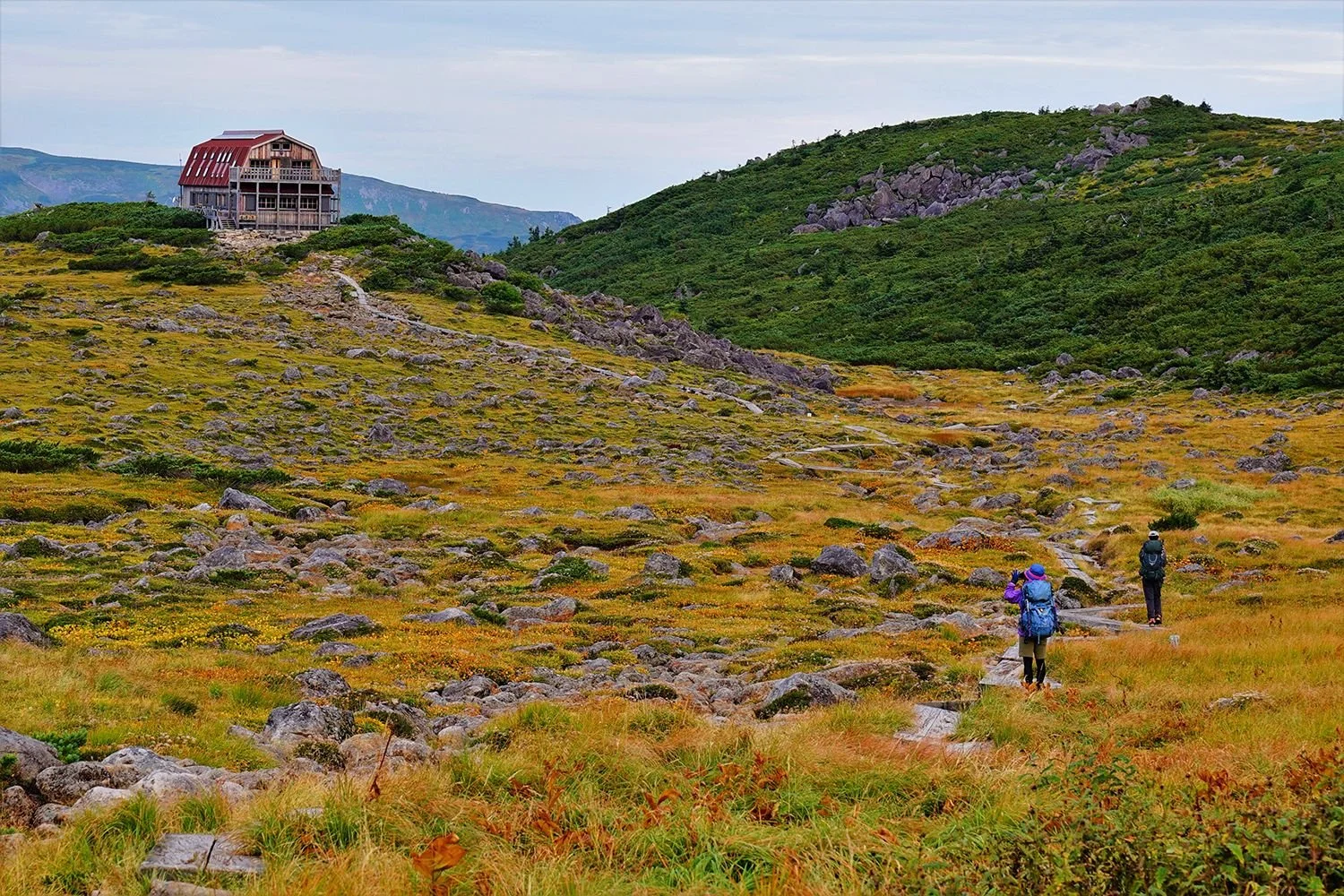
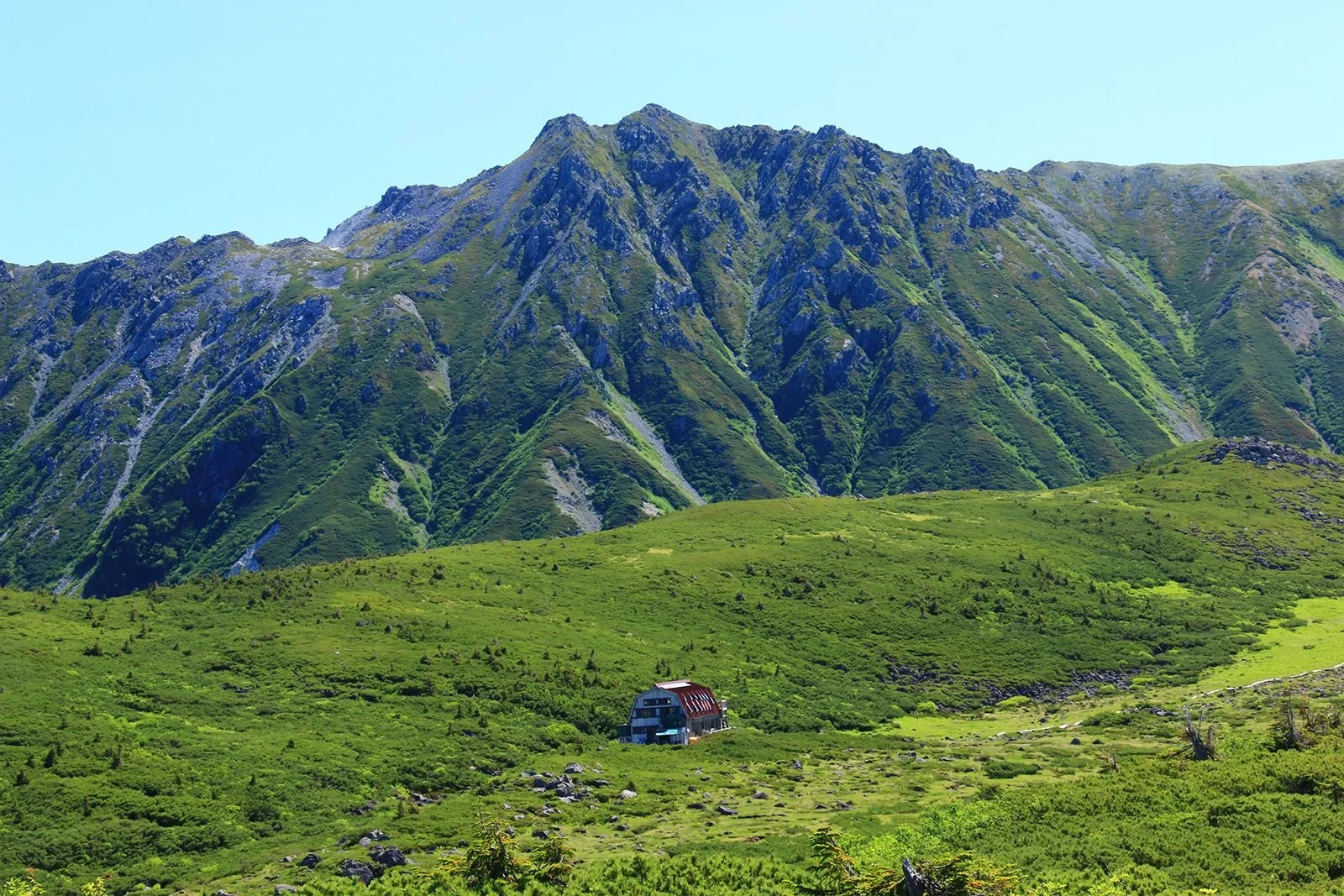
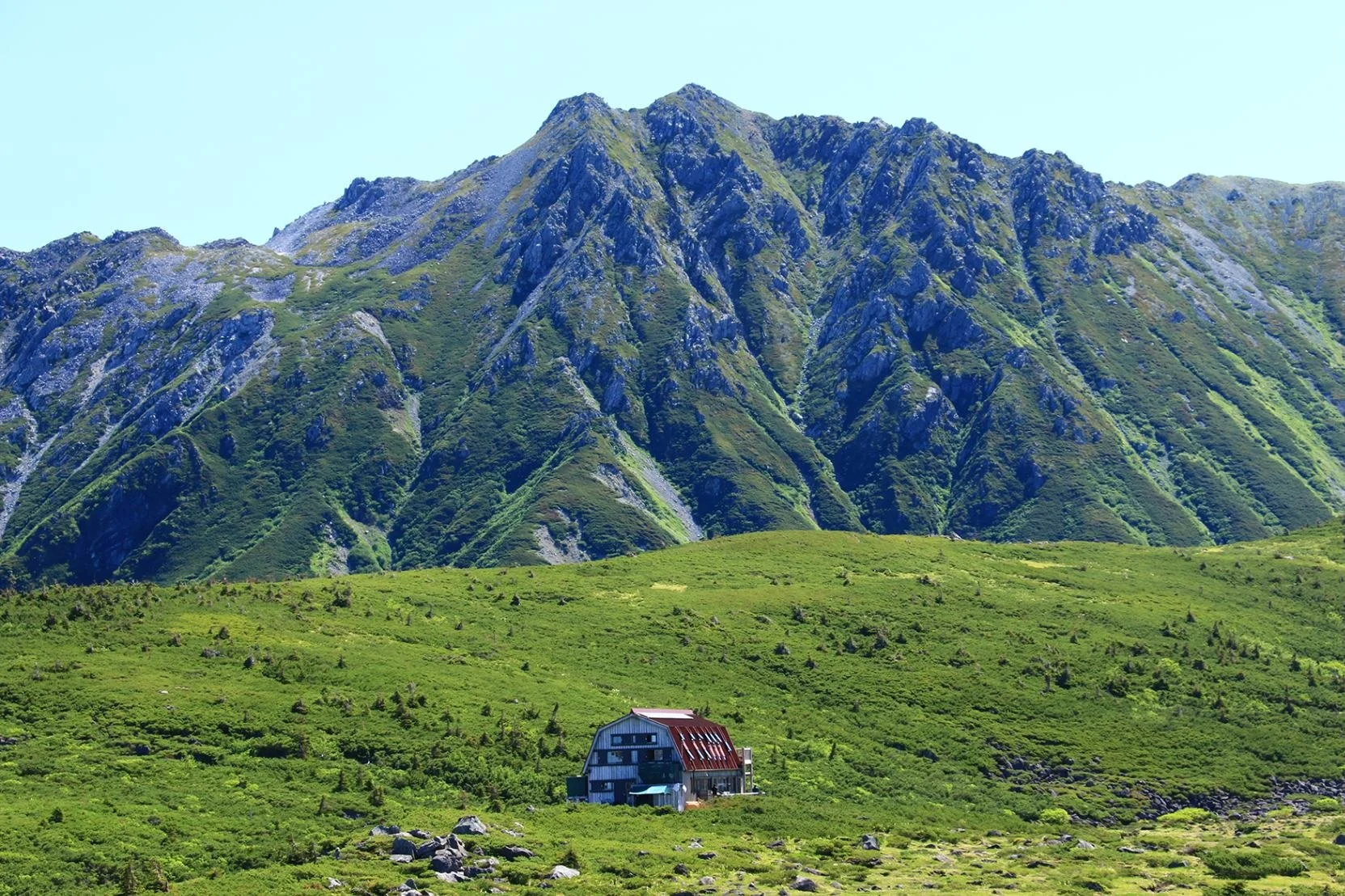
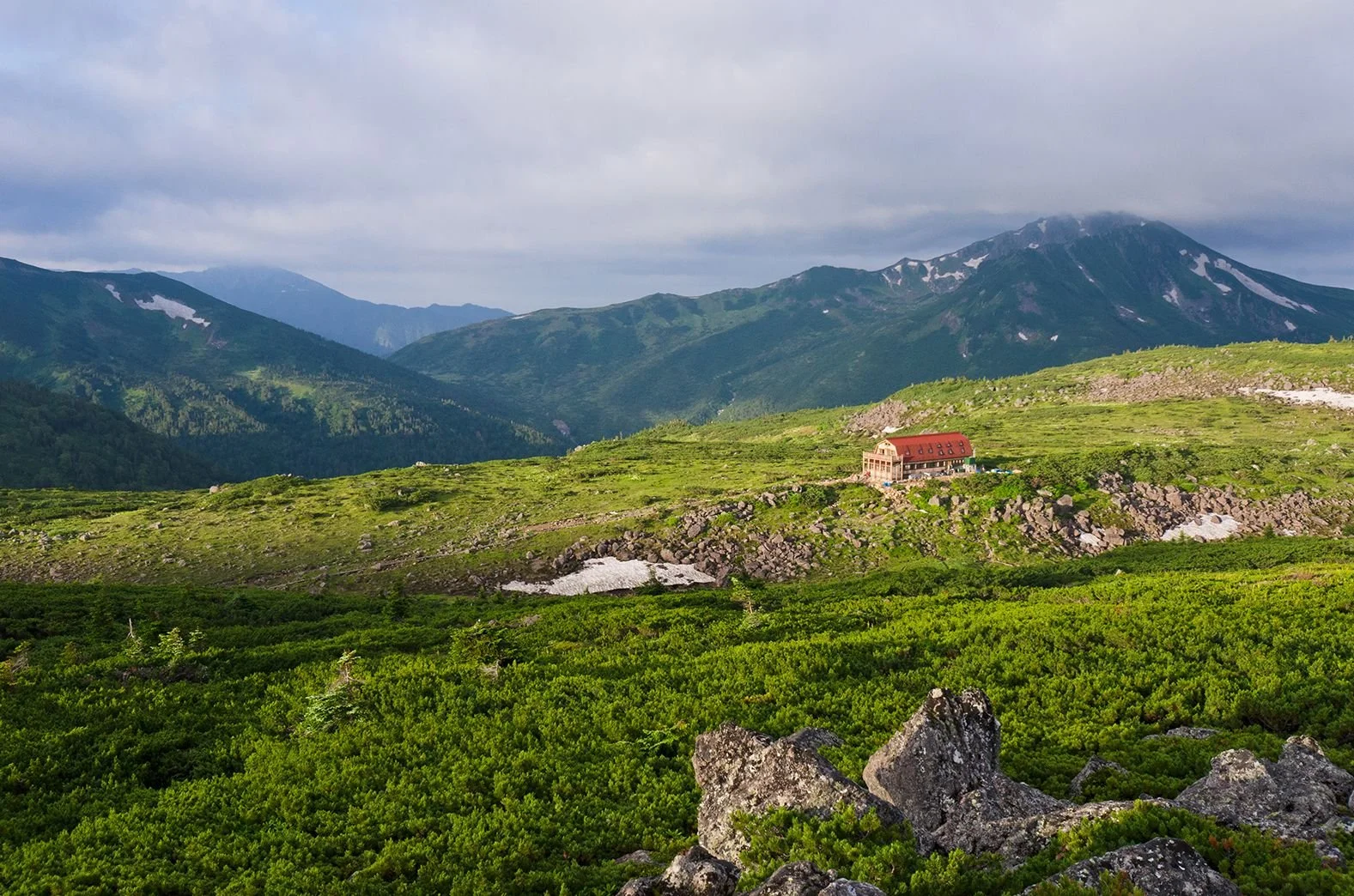
Kumono-daira-sanso (雲ノ平山荘) is one of the most iconic huts in the Northern Japanese Alps, sitting on the remote volcanic plateau of Kumonodaira—often described as a “garden in the sky.” It’s a true deep-alps hub: hikers come here not for a quick overnight, but to link serious multi-day traverses through the Kurobe headwaters / Ura-Ginza backcountry.
-
Location: Kumonodaira plateau (Kurobe headwaters / deep Northern Alps), Japan
Altitude: ~2,600 m (plateau altitude; some listings cite 2,650 m)
Type: Mountain hut + tent site
Capacity: 60 sleeping places (some directories list higher)
Tenting: ~50 tents (listed capacity)
Season: Typically mid-July to mid-October (varies by year)
Management: Kumonodaira Sanso (official hut operation)
-
Getting to Kumonodaira is part of the identity: long days, remote terrain, and big spacing between safe exits.
Common approach corridors:
From Shin-Hotaka Onsen via the northern-alps hut network (Wasabi-daira / Kagamidaira / Sugoroku line)
From Oridate (Toyama side) as part of deeper traverse itineraries
Terrain: long forest approaches → high ridges/plateaus → remote interior valleys
Difficulty: T3–T4 (mainly because of distance, remoteness, weather exposure)
-
For its remoteness, the hut is well-organised, but logistics are real.
Dormitory-style accommodation; structured meal service (guarded season)
Tent site used by self-sufficient trekkers
Water management matters: plan as if supply is controlled/limited on the plateau, especially in peak season
-
Expect a deep-alps rhythm: early dinners, early lights-out, and mornings that start before first light. The crowd is mostly traverse hikers—people moving between major interior hubs like Mitsumata, Suisho, and the Ura-Ginza ridge line.
-
Kumono-daira-sanso is strategically placed for:
Interior traverses across the Kurobe headwaters region
Linking to other “deep Japan Alps” huts and ridges (Ura-Ginza style itineraries)
Exploring the Kumonodaira plateau itself—ponds, lava forms, and that unique “alpine garden” landscape
-
Best season: late July to early September (most stable conditions)
Main risks: fast weather changes, fog/whiteouts, and the “commitment factor” (long distances between shelters).
-
Experienced alpine hikers building multi-day traverses
Trekkers comfortable with remote logistics and controlled resources
Photographers and landscape-focused hikers who want the plateau’s “garden” scenery (with the fitness to reach it)
Why This Hut Is Worth Visiting
Kumono-daira-sanso is not just a bed—it’s infrastructure in Japan’s alpine interior. Sitting at ~2,600 m on a volcanic plateau, it makes otherwise brutal traverse stages realistic, while placing you in one of the most surreal landscapes of the Northern Alps.