Via Ferrata delle Peredrette
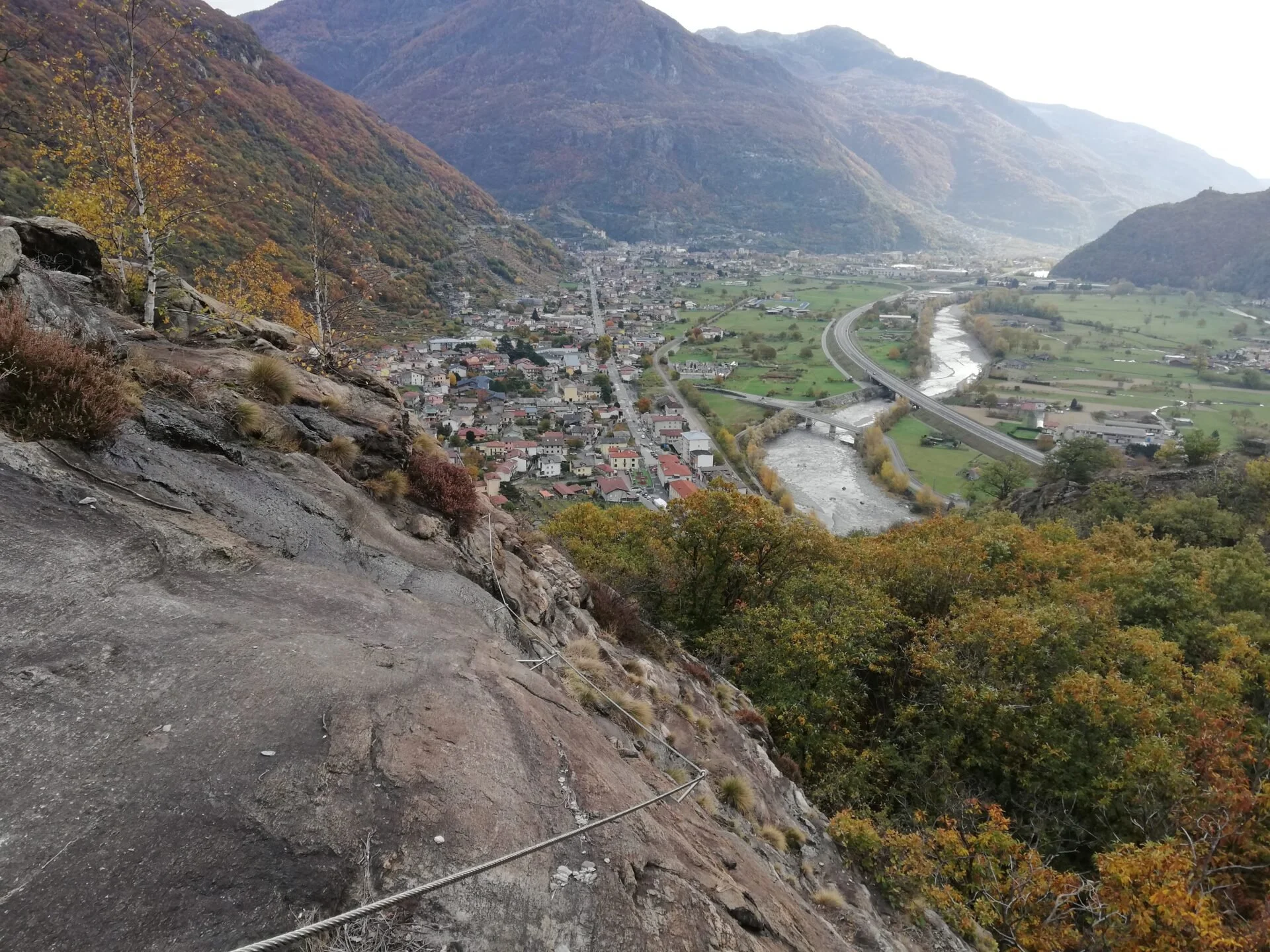
The Via Ferrata delle Peredrette is a scenic and moderately demanding protected route located above the village of Introd in the Aosta Valley. Known for its panoramic views, vertical walls, and varied terrain, it offers a balanced mix of technical climbing, exposed passages, and enjoyable traverses. This ferrata is suited for those seeking a mid-level challenge while exploring one of the quieter corners of the region.
Trail Overview
Duration:
2 to 3 hours for the full route, depending on experience and group size.
Difficulty:
Intermediate. Includes vertical sections, short overhangs, and exposed traverses. Technical grade typically rated around C on the modern scale.
Best for:
Hikers and climbers with previous via ferrata experience who want a well-equipped route with rewarding views and varied movement.
Exposure:
Moderate to high. Several sections are perched above steep walls and ridges, making the route feel airy but secure due to good cable installation.
Required Gear:
Standard via ferrata kit (EN-certified harness, lanyards with energy absorber, helmet). Gloves and grippy approach shoes recommended. In early or late season, warm layers and wind protection may be necessary due to elevation and orientation.
Route Description
The route begins with an immediate vertical introduction, allowing climbers to adjust to the iron rungs and rhythm of progression. After a short ramp, the ferrata heads into its central section: a long vertical wall equipped with well-spaced rungs and a continuous cable. This is followed by a pleasant traverse across a rocky band with sweeping views over the Val di Rhêmes and the surrounding forests.
Midway through the route, a small overhanging sequence provides the most athletic moment of the climb, requiring careful foot placement and steady upper-body engagement. After this crux, the terrain becomes gentler, transitioning into ledges and short steps leading toward the final ridge. The ascent concludes on a panoramic shoulder where climbers can rest before descending on a marked hiking trail.
Highlights
Striking views of the Aosta Valley and surrounding alpine peaks.
A varied route combining vertical climbs, traverses, and a short overhang.
A quieter alternative to the region’s more crowded ferratas.
High-quality equipment and reliable steel cable throughout the route.
A satisfying ridge finish with wide open scenery.
Difficulty and Required Skills
Although not extreme, the Via Ferrata delle Peredrette requires good physical condition and confidence on vertical terrain. Climbers should be comfortable with exposure and possess the ability to maintain balance on small footholds. Prior via ferrata experience is strongly recommended, especially for managing the overhanging section and sustained vertical passages. Safety awareness and proper use of equipment are essential throughout.
When to Go
The best period to climb the ferrata is from late spring to early autumn (May to October), depending on snow conditions. Early mornings or late afternoons are ideal during summer to avoid heat on the exposed walls. After rainfall, the rock can become slippery, and the route should be avoided during thunderstorms or unstable weather.
Access and Logistics
The ferrata starts near the village of Introd in the Aosta Valley, with clear signage leading from nearby parking areas to the trailhead. The approach takes approximately 20 to 30 minutes on a well-marked hiking path. After finishing the ferrata, a scenic descent trail loops back toward the starting point, completing the outing without the need for additional transport.
Why It Belongs on Every Adventurer’s List
Via Ferrata delle Peredrette captures the essence of Aosta Valley climbing: dramatic scenery, engaging movement, and a satisfying level of challenge. It is accessible yet thrilling, offering an ideal balance for intermediate adventurers who want to experience a classic alpine ferrata without committing to extreme difficulty. Its stunning viewpoints and dynamic terrain make it a memorable addition to any climber’s itinerary.