Via Ferrata del Centenario CAI L’Aquila
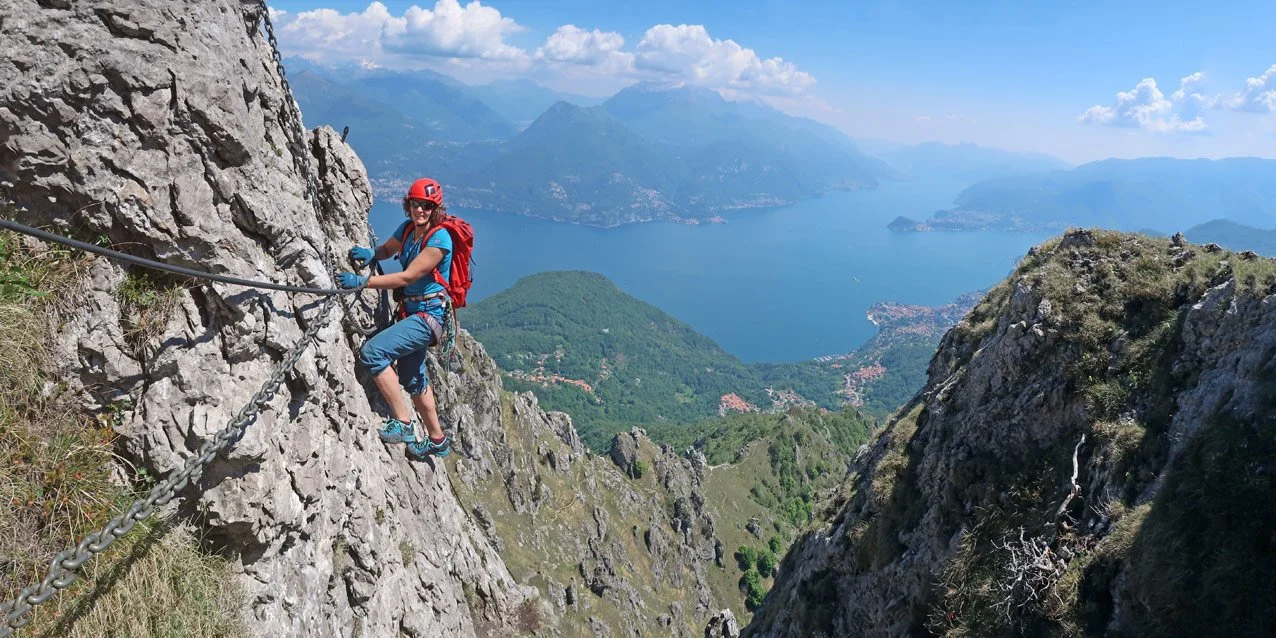
The Via Ferrata del Centenario CAI L’Aquila is one of the most celebrated high-mountain ferratas in the Gran Sasso massif, created to mark the 100th anniversary of CAI L’Aquila. Set in the rugged landscape of the Apennines, this long and varied route traverses exposed ridges, limestone walls, and alpine terrain, offering a true mountaineering atmosphere. It is considered one of the most demanding and spectacular ferratas in central Italy, rewarding climbers with sweeping panoramas over the Corno Grande, Campo Imperatore, and the dramatic valleys below.
Trail Overview
Duration: 6–8 hours for the full route, depending on pace and mountain conditions
Difficulty: High (Advanced; sustained technical moves; rated EEA/TD depending on sections)
Best for: Experienced via ferrata climbers seeking a long and serious high-mountain challenge
Exposure: Very high, with continuous aerial passages, ridge traverses, and steep drops
Required gear: Certified via ferrata kit (harness, lanyard with energy absorber, helmet, gloves), sturdy mountain boots, weather-appropriate layers, water, food, and optional rope for less experienced climbers
Route Description
The route begins near the western side of the Gran Sasso massif and immediately climbs steep limestone slabs reinforced with cables and metal steps. The first section is physical and vertical, quickly gaining altitude and leading out onto an exposed ridge.
From here, the ferrata alternates between horizontal traverses, slanted ramps, and short vertical walls. Several segments require careful footwork and strength, as holds are minimal and exposure is constant. The central part of the route follows an airy crest, offering uninterrupted views but demanding full concentration due to narrow passages and gusty winds that are common at altitude.
Toward the final section, the ferrata features a series of technical climbs, including slightly overhanging moves that can feel strenuous after many hours. The route eventually exits onto a high ridge, where the cables end and a mountain path leads toward the descent. The panorama over the Apennines is wide and dramatic, marking a satisfying end to a challenging alpine experience.
Highlights
Continuous, engaging progression with almost no easy rest sections
Panoramic ridge traverses with some of the best views in the Apennines
A true mountaineering feel despite being a secured route
High-quality rock and well-maintained cables
Opportunity to combine the experience with other hikes in the Gran Sasso area
Difficulty and Required Skills
This ferrata is classified as high difficulty due to sustained exposure, technical moves, and its long duration. Climbers should be comfortable with advanced via ferrata techniques, secure footwork on small holds, and physical endurance for a full day of exertion.
A good head for heights is essential, as many sections are extremely exposed. Weather awareness is equally important; wind, fog, or storms can significantly increase the risk. Only well-prepared and experienced climbers should attempt the route without a guide.
When to Go
The ideal season runs from late June to early October, depending on snowmelt and weather conditions. Early summer may still present snow patches at higher altitudes, while late-season storms can arrive quickly. Stable, clear days offer the safest conditions.
Access and Logistics
Access typically begins from Campo Imperatore or nearby parking areas connected by mountain roads. The trailhead is reachable by car, but roads can be affected by weather.
The full route requires a full day, so an early start is recommended. There are no huts directly on the ferrata, so climbers must carry sufficient water, food, and protective layers. Descent options lead back toward Campo Imperatore on marked alpine paths.
Why It Belongs on Every Adventurer’s List
The Via Ferrata del Centenario CAI L’Aquila represents one of the finest and most demanding via ferrata experiences in Italy outside the Alps. Its combination of exposure, technicality, length, and breathtaking scenery offers an unforgettable high-mountain adventure. For experienced climbers seeking a route that delivers sustained challenge and remarkable rewards, this ferrata stands among the most iconic in the Apennines.