Via Ferrata Tegelbergsteig
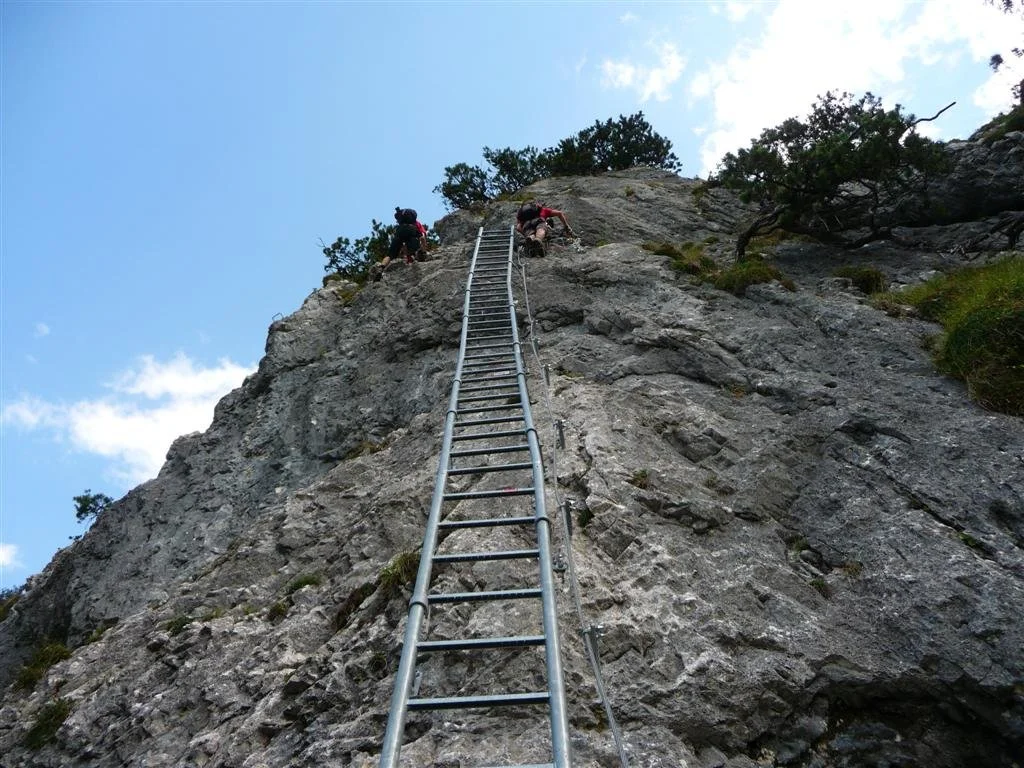
The Via Ferrata Tegelbergsteig is one of Bavaria’s most popular protected climbing routes, offering a dynamic mix of exposed traverses, vertical walls and sweeping views over the iconic Neuschwanstein Castle and the Ammergau Alps. Blending approachable difficulty with truly alpine scenery, it attracts both beginners looking to progress and experienced climbers seeking a scenic half-day adventure. Its combination of secure cable sections, airy steps, and well-designed route flow makes it one of southern Germany’s benchmark via ferratas.
Trail Overview
Duration: 2 to 3 hours for the ferrata itself; 4 to 5 hours total including descent.
Difficulty: Rated C (intermediate). Sections include vertical climbing and exposed traverses requiring strength and confidence.
Best for: Climbers with basic via ferrata experience who want an accessible but exciting alpine route.
Exposure: High. The route features airy ledges, steep walls, and open views above deep drop-offs.
Required gear: Certified via ferrata set (Y-lanyard), climbing harness, helmet, gloves, sturdy mountain footwear. A light wind layer is recommended due to frequent gusts on the ridge.
Route Description
The approach begins near the Tegelberg cable car station in Schwangau and follows a marked alpine path through forested terrain before reaching the start of the via ferrata. The first section provides an immediate taste of exposure with a series of metal stemples leading onto a compact limestone face. The route then traverses left across slabs, offering excellent footholds and continuous cable protection.
Midway, the character steepens. A long vertical sequence requires precise movements and efficient use of the stemples. This is the most physical section, demanding good upper-body control. Above, the line continues along a narrow ridge with panoramic views over Neuschwanstein Castle, the Forggensee and the Ammergau Alps. The final meters ease into a more moderate rocky path that leads directly toward the Tegelberg summit area.
The descent is typically made via the hiking trail back to the station or by taking the Tegelberg cable car down.
Highlights
Impressive aerial views over Neuschwanstein Castle and the surrounding lakes.
A balanced mix of vertical climbing and enjoyable traverses.
Excellent rock quality and secure protection throughout.
Convenient access with the option to descend by cable car.
Alpine atmosphere without requiring advanced mountaineering skills.
Difficulty and Required Skills
Tegelbergsteig is rated C, making it suitable for climbers with some prior via ferrata experience. Participants must be comfortable with exposure and have the strength to manage short but demanding vertical sequences. Good footwork is essential, especially on the traverses where balance plays a key role. While the protection is consistent, weather conditions can change quickly, so knowledge of alpine safety and the ability to assess terrain is important.
When to Go
The ideal season runs from late May to October, depending on snow conditions at altitude. Summer offers the most stable weather, though afternoons can bring storms, making early starts preferable. Autumn provides cooler temperatures and exceptional visibility. The route should be avoided in rain, thunderstorms or any condition that leaves the rock wet or icy.
Access and Logistics
The route begins in Schwangau, Bavaria, near the base station of the Tegelberg cable car. Parking is available at the lift facilities. From the station, follow marked hiking trails to the via ferrata entrance; the approach typically takes 30 to 45 minutes.
For the descent, climbers may either hike down the standard path (1.5 to 2 hours) or use the cable car, which provides a quick and scenic alternative. Before starting, always confirm cable car operating hours and weather forecasts.
Why It Belongs on Every Adventurer’s List
Via Ferrata Tegelbergsteig encapsulates the essence of Bavarian alpine climbing: dramatic scenery, exhilarating exposure and a well-designed route that challenges without overwhelming. Its accessibility, iconic surroundings and memorable ridge sections make it a standout experience for anyone exploring Germany’s mountain landscapes.